Mbappé, Haaland and Messi headline a global World Cup 2026 day
Fans from four continents turned June 22 into a shared civic commons, as Mbappé, Haaland and Messi delivered a star-heavy World Cup day across three host cities.

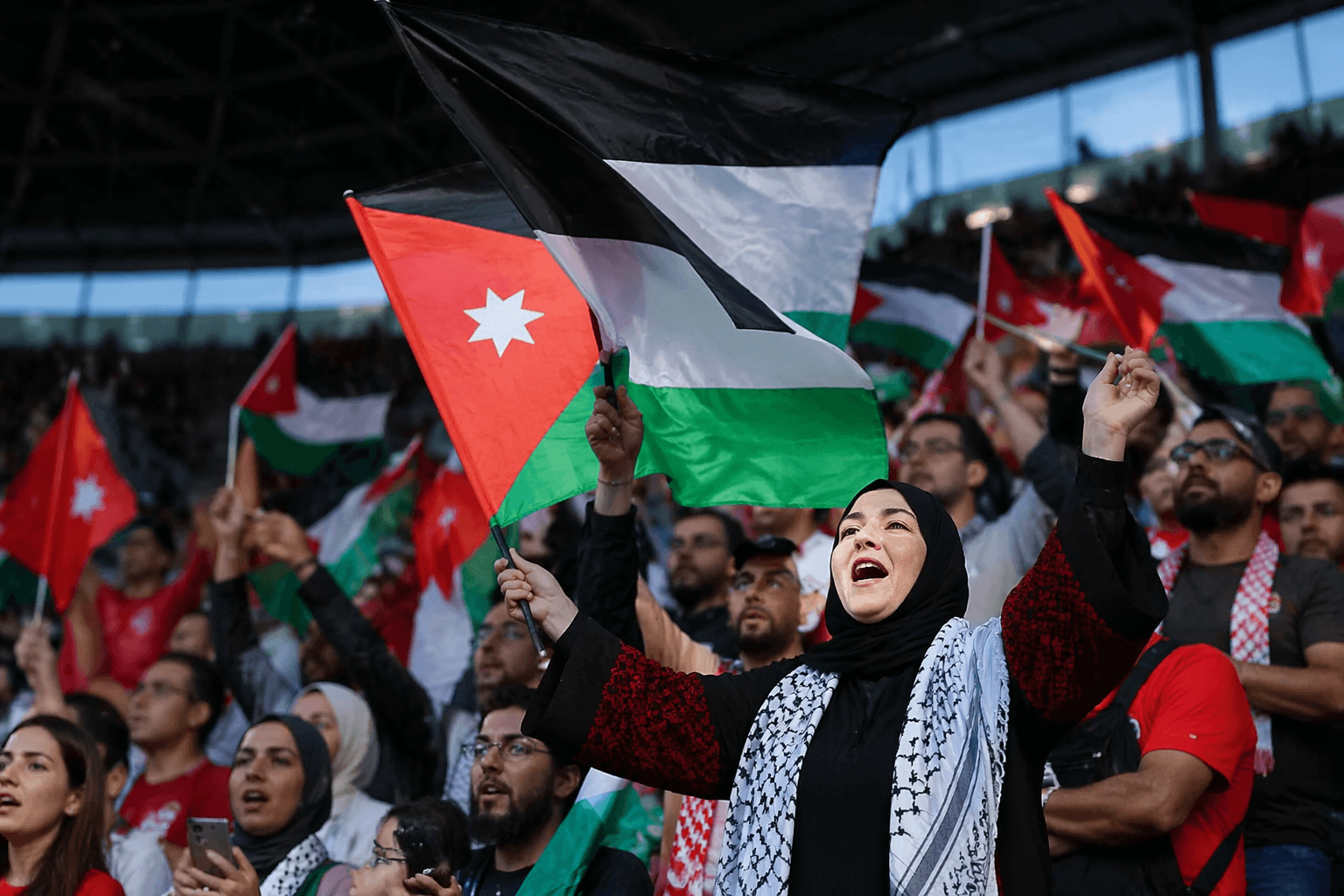
Supporters from four continents turned the World Cup into something closer to a temporary civic commons than a set of isolated national contests. Across New York/New Jersey Stadium, Boston Stadium and Kansas City Stadium, the sixth day of the 2026 tournament drew together fans whose countries share little geography or politics, yet who met in the same streets, plazas and stands around France-Senegal, Irak-Noruega and Argentina-Argelia.
The scale of the competition helps explain the breadth of that scene. The 2026 World Cup is the first with 48 teams and 104 matches, spread across the United States, Mexico and Canada. That expansion has widened the tournament’s social reach as much as its sporting one, and on June 22 it produced a day in which World Cup culture moved easily across borders: Senegalese flags beside French shirts, Iraqi colors beside Norwegian support, and Argentina’s defending champions drawing their own global following before kickoff against Argelia.
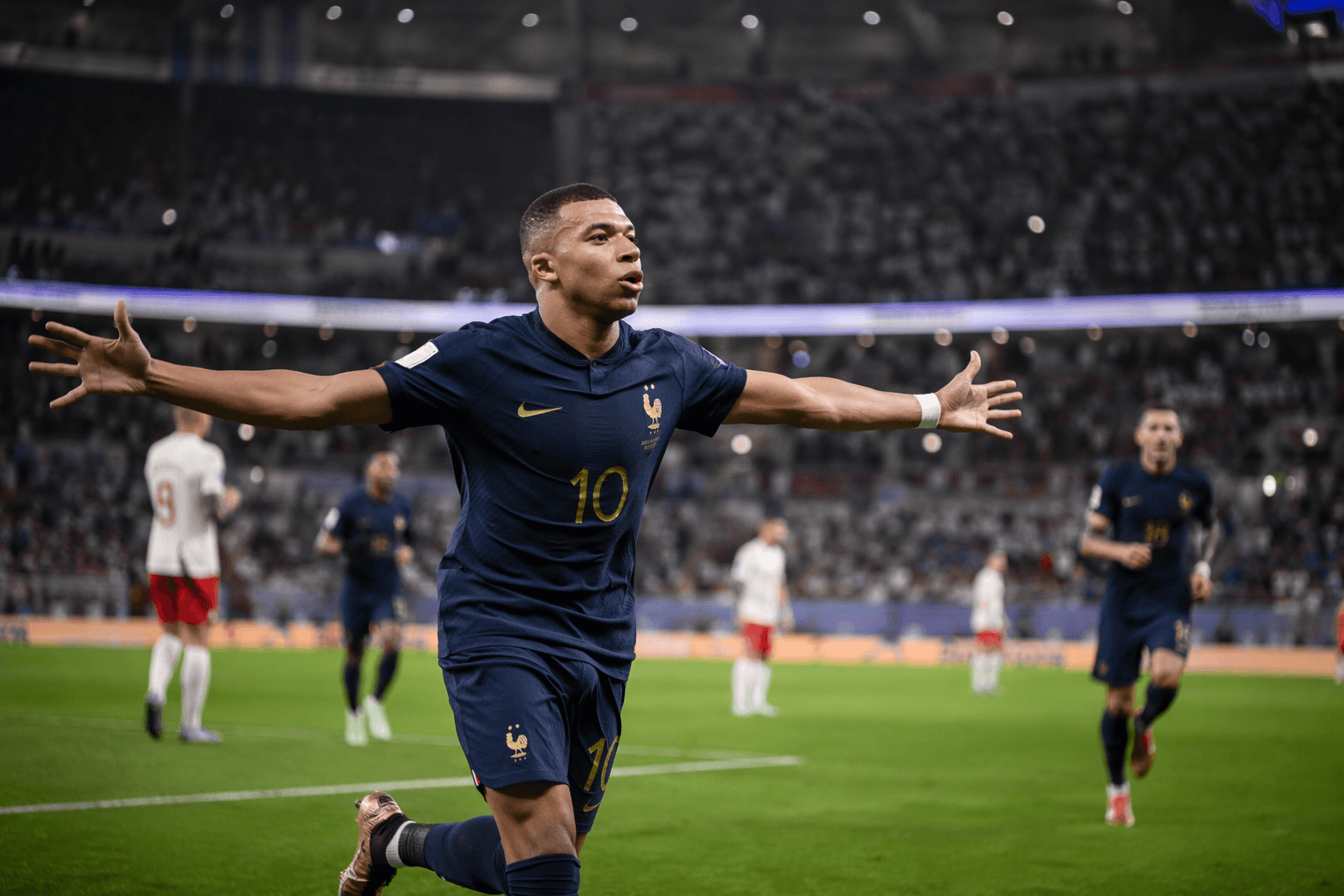
France’s 3-1 win over Senegal carried its own historical charge. FIFA had framed the matchup as one that echoed the opening match between the two countries at Korea/Japan 2002, and the game again tied together different football memories into one shared reference point. Kylian Mbappé scored twice for France and reached 58 goals for his country, a milestone that underlined both his personal scale and the way elite players now function as global fixtures in the tournament’s public life.
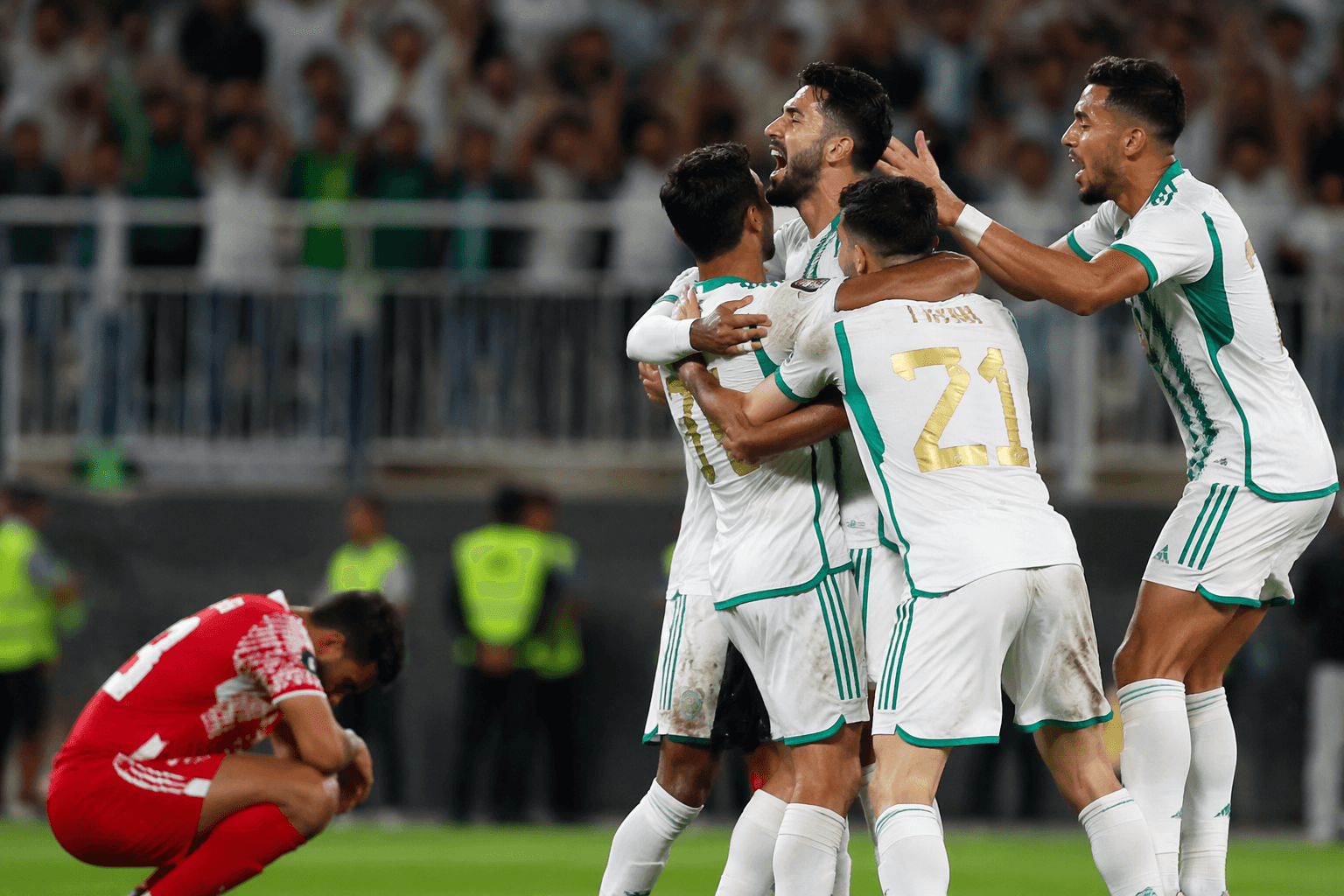
Noruega’s opening match against Irak gave Erling Haaland the same kind of stage. FIFA said he scored in his World Cup debut, a moment that immediately placed Norway’s campaign within the wider star economy of the competition. In Kansas City, Lionel Messi added another record to a career already built on them, scoring a hat-trick in Argentina’s 3-0 victory over Argelia and reaching 16 World Cup goals. For Argentina, the reigning champion, the result reaffirmed its standing; for the tournament, it reinforced how a single match can concentrate global attention around one player and one badge.
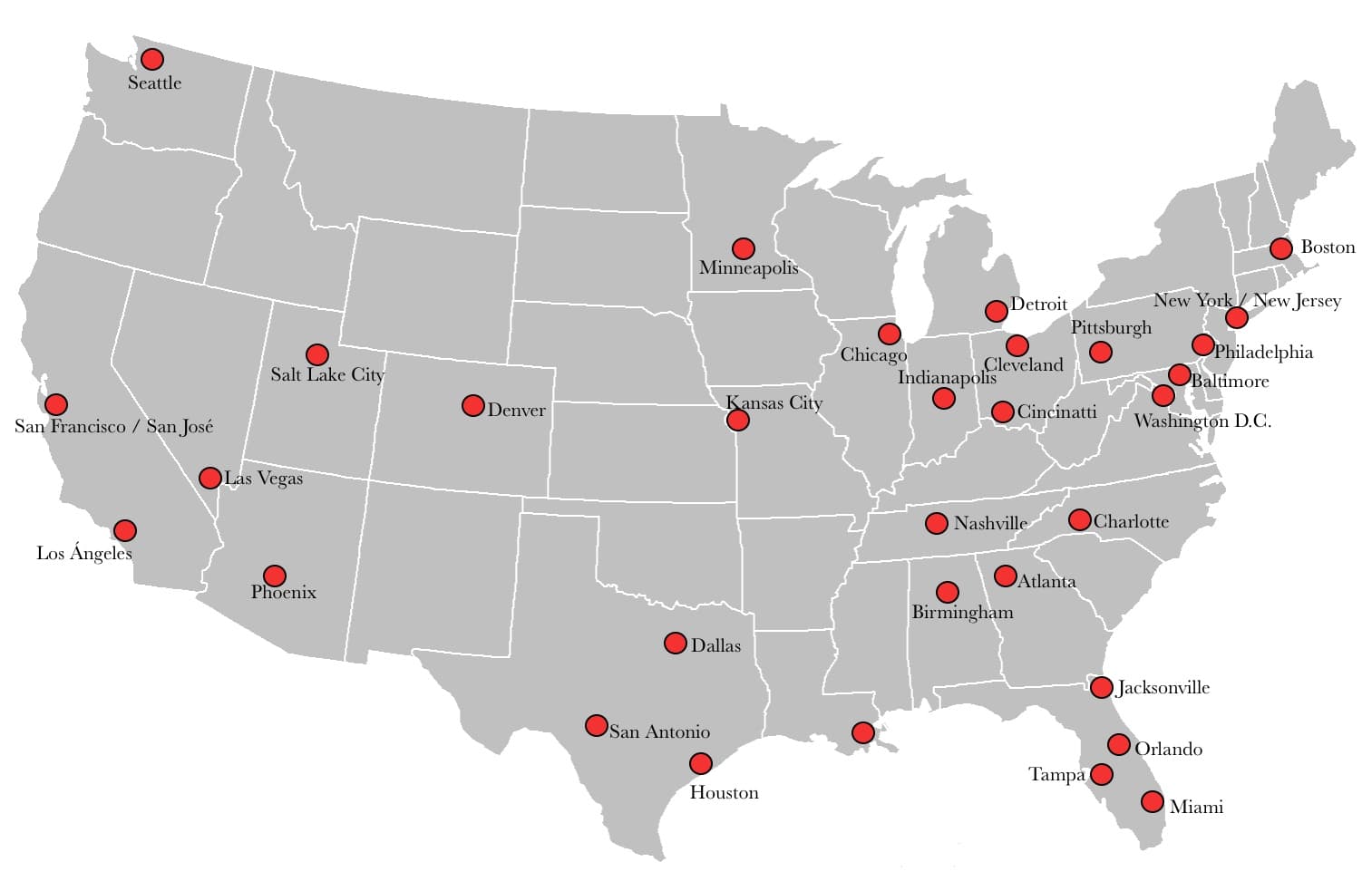
Taken together, the three results did more than fill a scoreboard. They turned the sixth day of the World Cup into a rare public meeting point, where fans could celebrate their own teams while participating in a larger, shared ritual. In a tournament built across three countries and 104 matches, that is the clearest sign of its power: not just competition, but a brief and unusually inclusive world stage.
This article was produced by Prism’s automated news system from verified source data, official records, and press releases, then run through automated quality and moderation checks before publishing. The system is built and supervised by the people who set the standards it runs under. Read our full AI policy.
Know something we missed? Have a correction or additional information?
Submit a Tip