McDonald’s manager remains in ICU after alleged hot oil attack
A 20-year-old McDonald’s shift manager is in an ICU burn unit after police say a co-worker threw hot oil on him as he prepared to close out his shift.

A Yuba City McDonald’s shift manager is fighting severe burns in an ICU burn unit after police say a co-worker hurled hot cooking oil or hot liquid on him as he prepared to leave work and count the money. Jacob Smith, 20, suffered burns to his face, neck, hands, shoulder, right arm and back, and his family says doctors are considering skin grafts.
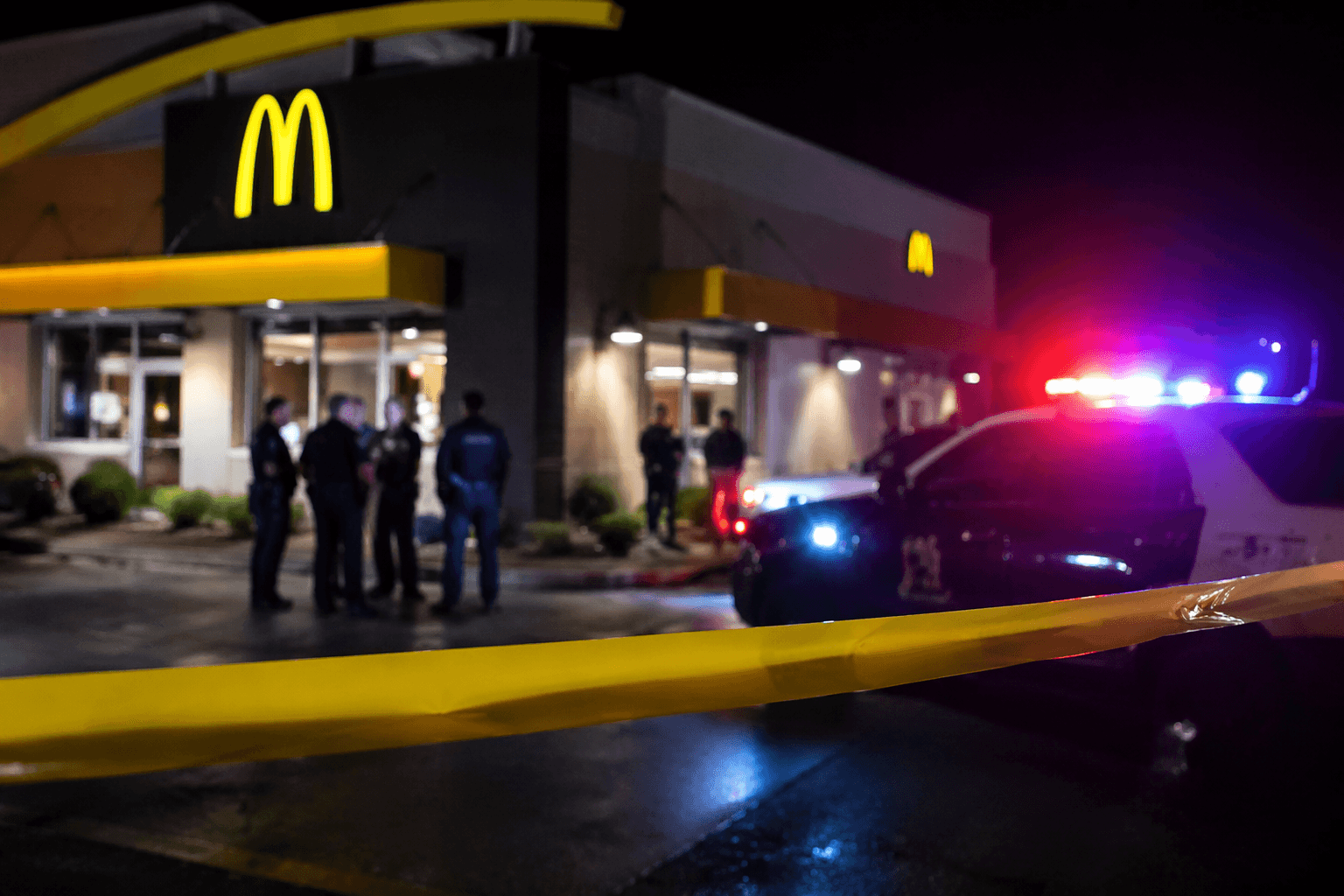
The alleged attack happened late on Saturday, May 30, at the restaurant on Harter Parkway and Colusa Highway. Amber Smith, the victim’s mother, said her son remains in excruciating pain and is being treated at UC Davis Medical Center. Different reports have placed the burn coverage at about 20% to 22% of his body, underscoring the severity of the injuries and the likelihood of a long recovery.
Police identified the suspect as 23-year-old Jalani Bluett. Sutter County deputies arrested him on May 31, and court records show he faces felony charges including battery causing serious bodily injury, mayhem and assault with a deadly weapon. Bluett has pleaded not guilty and is being held without bail after an arraignment in Sutter County Superior Court.
The McDonald’s owner and operator, John Cook, said Bluett no longer works for the restaurant and that the company’s focus is supporting Smith while prioritizing employee and customer safety. The motive has not been publicly established. For a low-wage kitchen job that depends on close quarters, hot surfaces and fast-moving shifts, the case raises immediate questions about what protection actually exists when conflict turns violent inside a store.
Workplace violence in fast-food settings is often discussed as a security issue, but this case also highlights a burn-risk problem that can be overlooked until someone is critically injured. Prior labor complaints have documented workers burned by popping grease and exposed to hazards without enough protective equipment. In a restaurant kitchen, the difference between a minor incident and a life-threatening injury can come down to staffing levels, training, spill response, barriers, and whether managers have the authority and backup to de-escalate a situation before someone is hurt.
Smith’s injuries have already become part of a broader reckoning over safety in service work, where employees are expected to keep operating through stressful, understaffed shifts while working around fryers, hot oil and volatile interactions with the public and co-workers. In this case, one violent act turned an ordinary closing routine into a medical emergency, leaving a young manager in critical care and a community confronting how quickly danger can spread inside a fast-food kitchen.
This article was produced by Prism’s automated news system from verified source data, official records, and press releases, then run through automated quality and moderation checks before publishing. The system is built and supervised by the people who set the standards it runs under. Read our full AI policy.
Know something we missed? Have a correction or additional information?
Submit a Tip

