McDowell County Hit by Part of Statewide $224M Special Education Shortfall
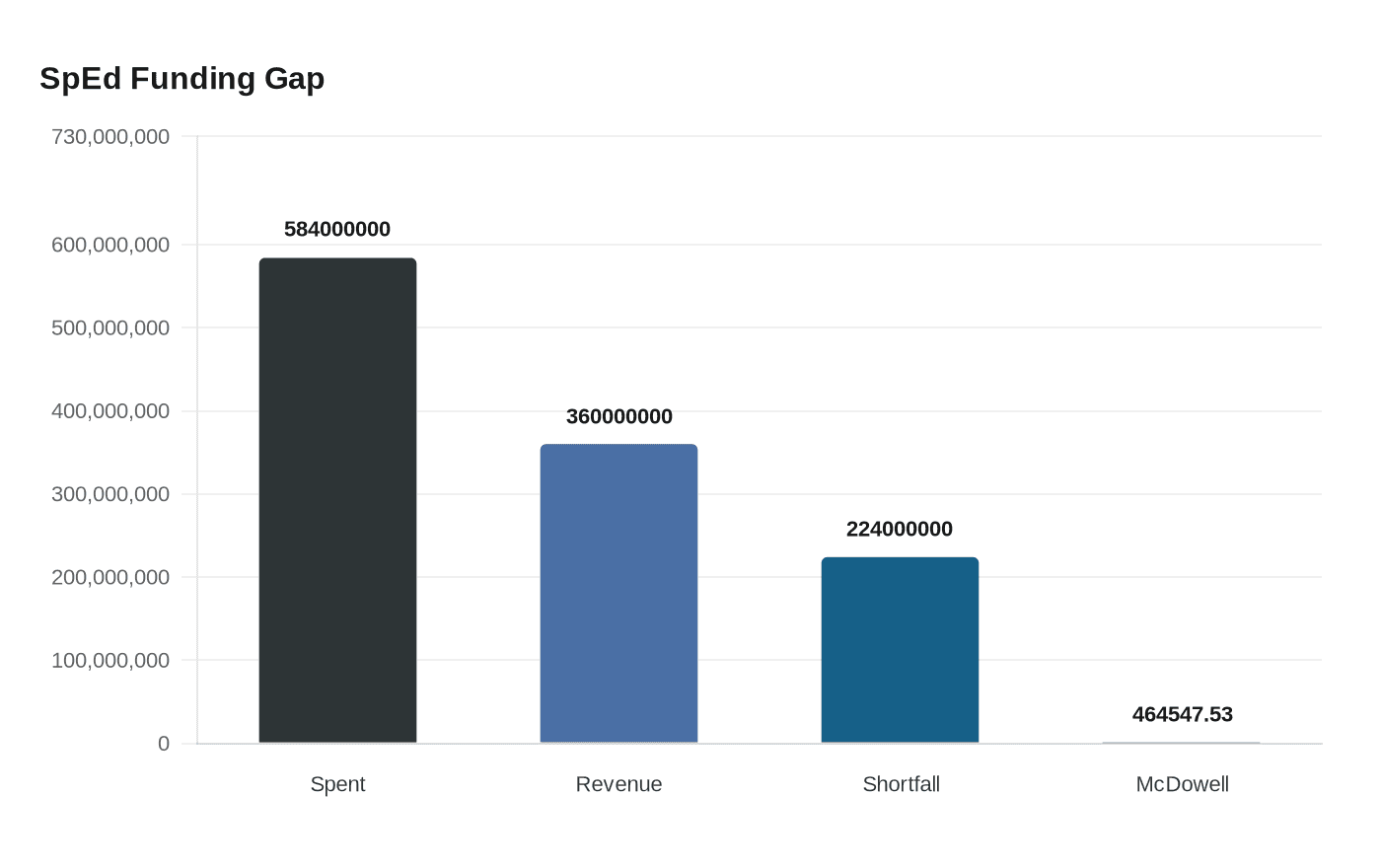
McDowell County has a $464,547.53 special education shortfall amid a statewide $224 million gap, putting local services and school budgets under strain.
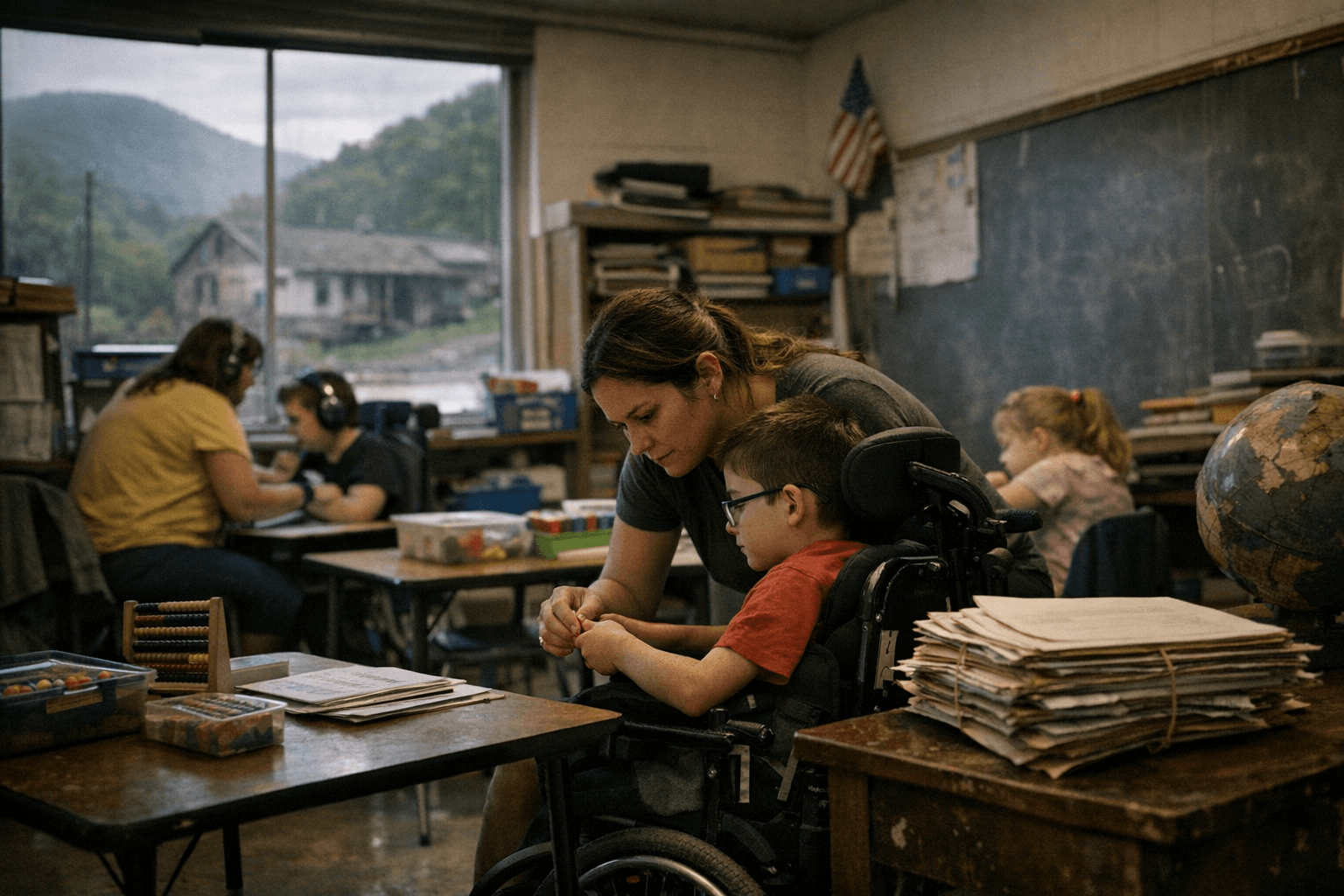
A state Department of Education analysis found West Virginia school systems spent more than $584 million on special education in fiscal year 2025 while only $360 million in designated revenue was available, producing a $224 million shortfall that touches every county, including McDowell.
McDowell County shows a fiscal-year-2025 deficit of $464,547.53 for special education, part of a statewide pattern revealed after all 55 county superintendents sent one-page summaries of their special education numbers to lawmakers. The one-pagers listed county special education enrollment, federal and state revenue allocations, total special education expenditures, and the revenue-expenditure gap. In almost every county the final number was negative.
Statewide, West Virginia serves 49,402 special education students under the Individuals with Disabilities Education Act. The gaps reported ranged from a few million dollars to Berkeley County’s shortfall of more than $38 million. Only six counties reported positive line-item balances for special education: Braxton, Calhoun, Gilmer, Monroe, Webster, and Wirt. Four of those, Calhoun, Gilmer, Webster, and Wirt, receive additional state dollars because enrollment falls below the 1,400-student threshold in the funding formula.
Counties are responding in ways that erode their financial flexibility and risk long-term harm to services. Some school systems are tapping unrestricted fund balances meant for capital projects or emergencies. Many counties without healthy reserves or an excess levy divert staff and services from other programs to remain federally compliant. Those tradeoffs can mean fewer supports for students outside special education and higher fiscal exposure if federal compliance is ever questioned.
The shortfall heightened attention at a House Finance budget hearing with State Superintendent Michele Blatt after superintendents flooded lawmakers with the one-page summaries. Legislators who received the documents expressed surprise at the scale of the gap, and calls to revisit the state school-aid formula have intensified. While efficiency measures may trim costs, the analysis suggests efficiencies alone are unlikely to erase a multihundred-million-dollar imbalance.
Community leaders and elected officials face immediate choices: replenish reserves, seek local levies, reallocate services, or press for state-level reform of the school-aid formula. As Zig Ziglar once said, "The first step in solving a problem is to recognize that it does exist." Recognition is clear; action is pending.
For McDowell residents, the direct implications are tangible: potential cuts to programs, stretched staff, and pressure on school budgets already constrained by geography and population decline. The next steps will be budget decisions by the McDowell County Board of Education, conversations at the state Capitol about the funding formula, and whether lawmakers will provide targeted relief to restore services and fiscal stability.
This article was produced by Prism’s automated news system from verified source data, official records, and press releases, then run through automated quality and moderation checks before publishing. The system is built and supervised by the people who set the standards it runs under. Read our full AI policy.
Did this article answer your question?