McDowell County Trail Access, Users and Economic Boost from Hatfield-McCoy
Hatfield‑McCoy trails have turned Welch and other McDowell towns into access points for off‑road visitors, bringing steady tourist traffic and new spending to local businesses.
1. Why McDowell County matters to the Hatfield‑McCoy regional trail system
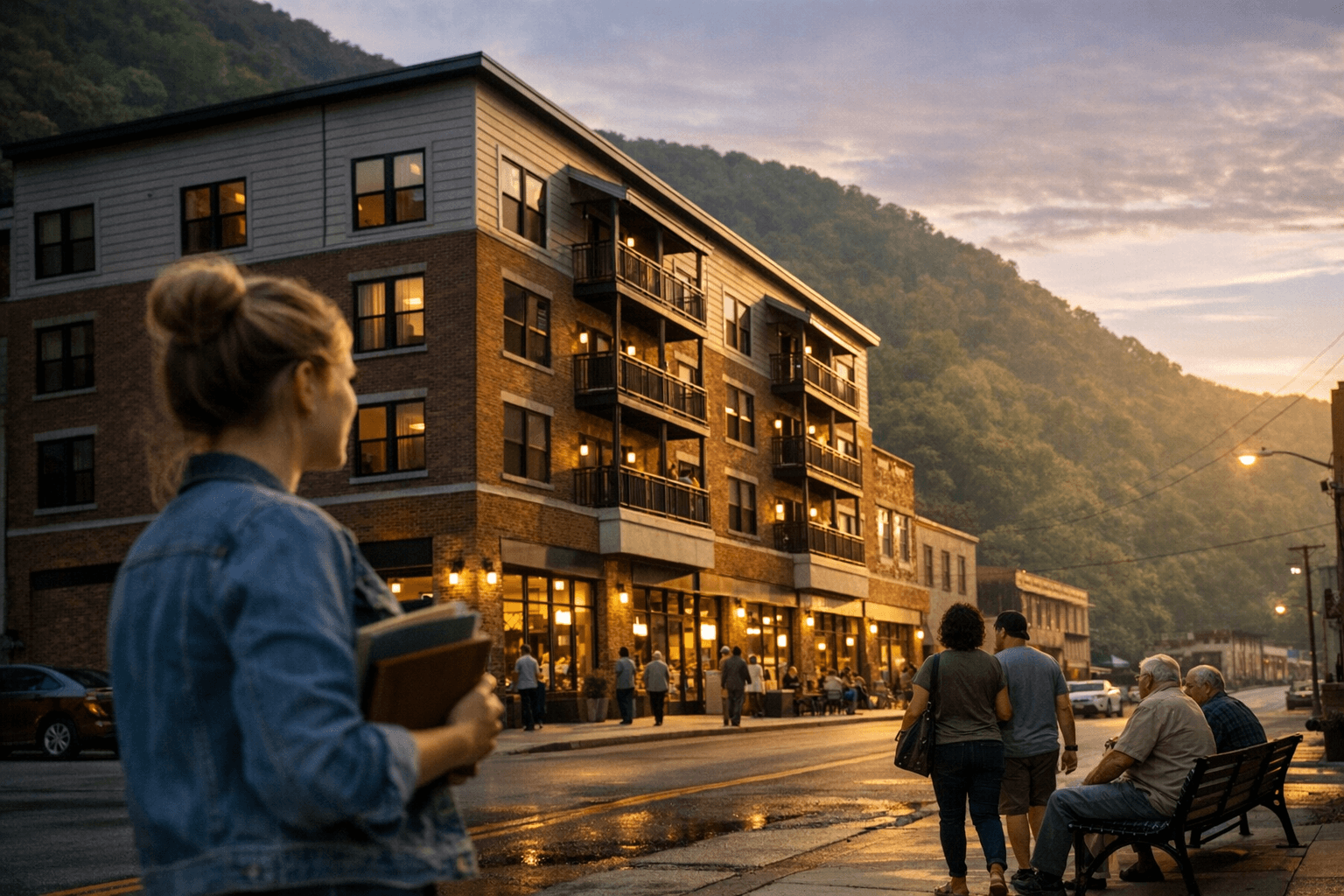
McDowell County anchors the southwestern end of West Virginia’s Hatfield‑McCoy trail network, with Welch serving as the county seat and principal service hub for riders and day visitors. The county’s pre‑existing highway links and downtown corridors concentrate lodging, fuel, and restaurants that serve trail users arriving from neighboring counties and states. McDowell’s economic need—after decades of coal‑industry contraction—gives the trail connection outsized local importance as a source of visitor spending and new small‑business opportunity.
2. Where to access trailheads from McDowell towns and villages
Trail users most commonly stage from Welch and nearby municipal centers that offer parking, fueling and food options before hitting the dirt; these towns function as practical trailhead gateways even when single‑trail entry points sit outside town limits. Local community hubs such as county parking lots, privately managed trail parking areas, and a few commercial outfitters provide the last‑mile services riders want: secure vehicle parking, restrooms and equipment rental or shuttles. For anyone planning a trip, expect to use town services in Welch or adjacent communities before driving to trail entry points for staging and sign‑in.
3. Typical users: who comes to McDowell’s trails
The Hatfield‑McCoy network attracts a mix of day trippers, weekend groups and multi‑day tourists. Common user profiles include family groups on UTVs, single‑rider dirt‑bike enthusiasts, and out‑of‑state clubs that travel together and book multiple nights in local motels. Local volunteers and small‑business owners often interact directly with these visitors, providing guide services, trail snacks, or mechanical assistance—human‑scale exchanges that translate into repeat visits when done well.
4. Common vehicles and equipment on the trails
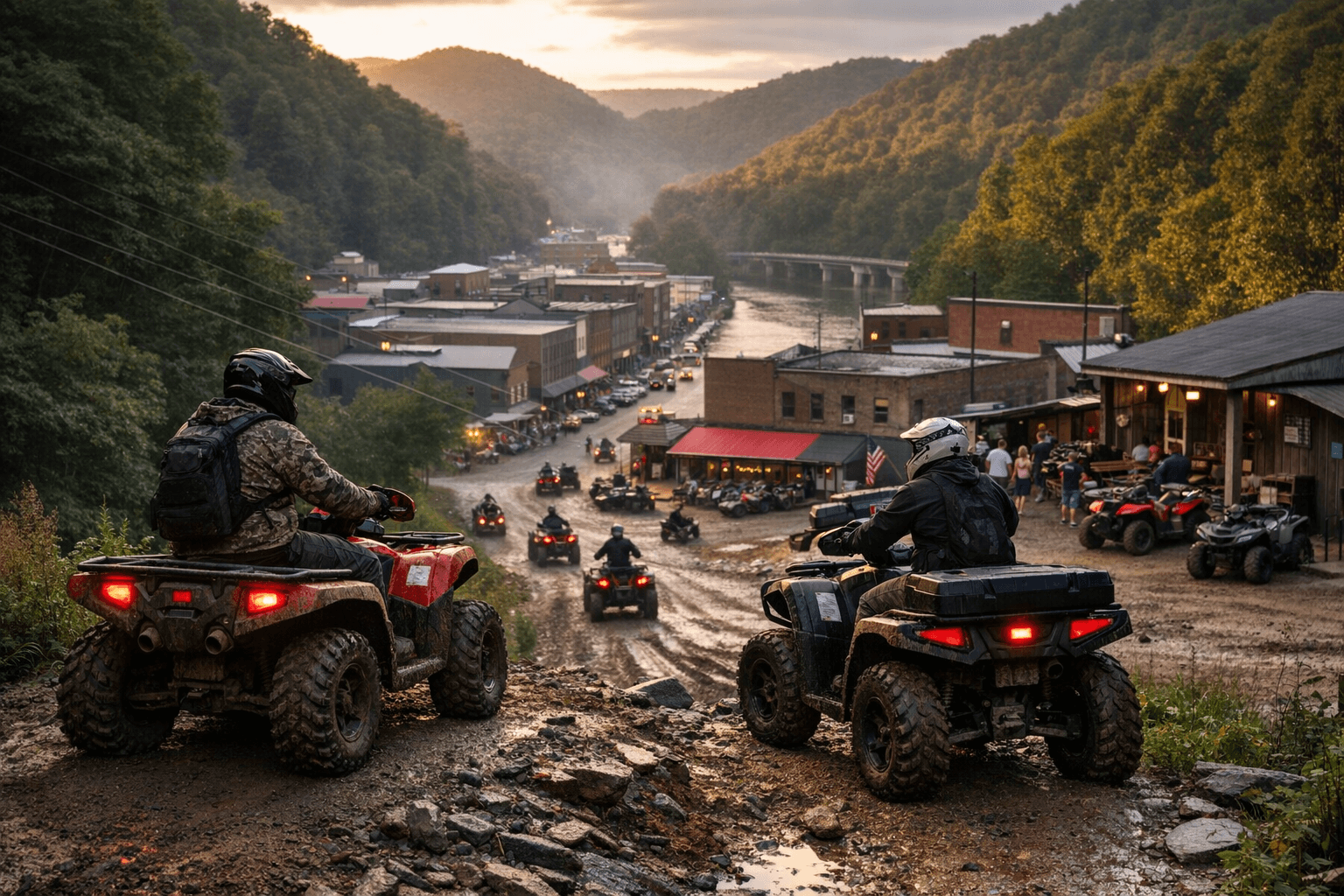
ATVs and UTVs dominate recreational traffic on this regional system; riders frequently tow machines on trailers and use local garages or outfitters for quick maintenance. Dirt bikes and dual‑sport motorcycles are also common on many of the more technical connector trails, while hikers and mountain bikers appear on shorter scenic spurs where vehicle traffic is prohibited. Businesses that supply fuel, recovery gear, helmets, and routine mechanical work capture a disproportionate share of visitor spending because equipment needs arise quickly on multi‑day outings.
5. How the trails translate into local economic activity
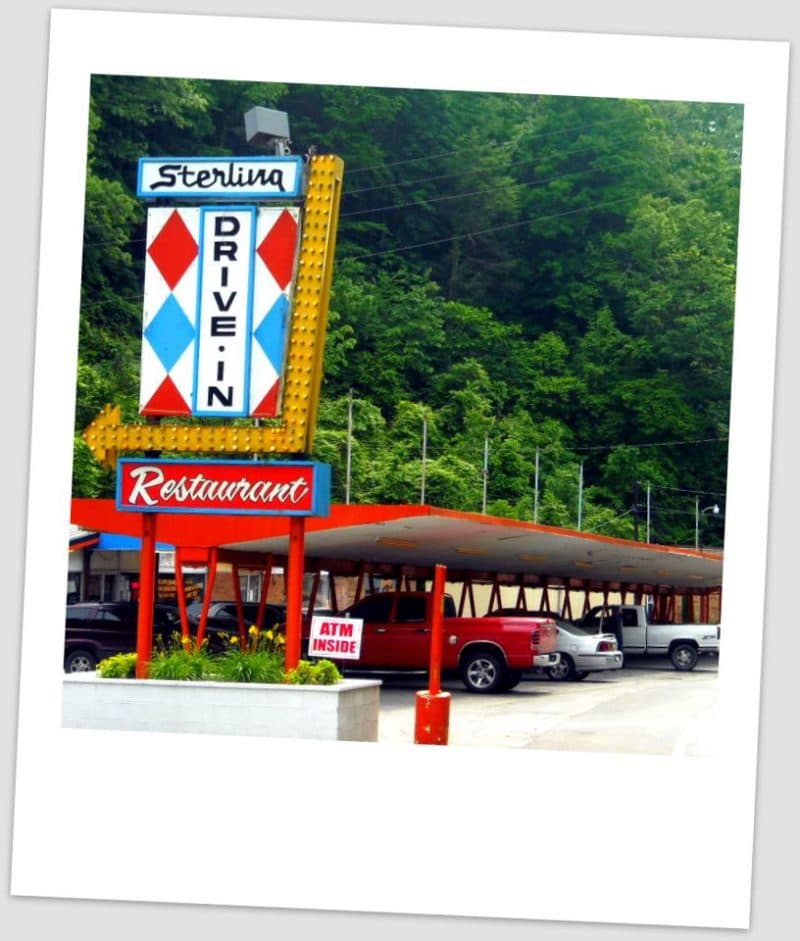
Visitor spending flows into McDowell through a handful of concentrated channels: overnight stays in Welch and nearby towns, fuel and parts sold at service stations, food and beverage at local diners, and rental or guided‑ride revenues from outfitters. Trail users who stay overnight create multiplier effects—one night’s lodging can lead to breakfast and lunch spending, replacement parts from a local dealer, and weekend retail purchases. Public‑private partnerships that route trail pass revenue toward maintenance help preserve the visitor experience and reduce local government costs for trail damage and signage.
6. Who benefits in the county and how jobs shift
Benefits distribute unevenly but meaningfully: small motel owners, independent restaurants, convenience stores, and a handful of outfitters or guide services tend to see immediate upticks in business during peak riding seasons. Local contractors and volunteers hired for trail maintenance or amenity projects gain short‑term employment and transfer skills that can be used on other infrastructure projects. Over time, stable visitor flows can support year‑round employment in hospitality and retail, while strengthening the case for new businesses such as parts shops or adventure‑tour operators.
7. Practical seasonal patterns and planning for McDowell operators
Trail usage follows seasonal weather and hunting calendars; spring and fall are typically the busiest periods when temperatures are cooler and trails are less prone to muddy closures. Local businesses should align staffing, inventory (fuel, oil, tires, warm clothing), and marketing with these peaks to capture disposable‑income visitors. Investment in basic visitor infrastructure—signage, public restrooms near staging areas, and clearly marked parking—reduces friction for first‑time visitors and improves the odds they’ll return or recommend McDowell to friends.
8. Local infrastructure needs and public finance mechanics
Effective trail‑driven development relies on predictable maintenance funding and accessible staging areas in towns like Welch. Trail pass revenue streams, donations from riding clubs, and volunteer labor reduce direct municipal costs, but municipalities still need to budget for traffic control, waste management, and emergency response on busy weekends. When local leaders prioritize minimal but visible infrastructure—improved parking lots, route signage to businesses, and an official trail information kiosk—those investments pay back quickly through increased overnight stays and retail sales.
9. Practical steps for residents and small businesses to capture gains
1. Make your business trail‑friendly: offer secure parking for trailers, provide basic repair supplies, and advertise pickup hours aligned to riders’ arrival patterns.
2. Coordinate regionally: work with neighboring towns and outfitters to advertise multi‑day itineraries that route visitors through Welch and nearby service stops, creating more predictable demand.
3. Track spending: use simple daily logs to record the number of trail customers, common purchases, and recurring needs—this data helps justify future investments or grant requests.
- Tip: bundle services—offering discounted fuel with an overnight stay or a helmet inspection with a rental—turns one‑time trail users into repeat customers.
- Tip: host or sponsor a small trail day to showcase local vendors and normalize spending in town kitchens and shops.
10. What success looks like for McDowell going forward
A durable local payoff means steady, measurable visitor patterns—regular weekend bookings at Welch motels, repeat customers for local outfitters, and clearer fiscal lines between trail revenues and maintenance costs. Success also shows up in secondary indicators: new part‑time jobs in hospitality, more business licenses in towns that serve as staging areas, and smoother logistics for emergency response on trail routes. When McDowell treats trail access as part of its core economic infrastructure—alongside highways and broadband—the Hatfield‑McCoy connection becomes a sustained engine of local resilience rather than a seasonal curiosity.
Conclusion The Hatfield‑McCoy trails give McDowell an established path to diversify post‑coal revenue: by treating Welch and nearby towns as purposeful staging hubs, aligning services to common user types (ATVs, UTVs, dirt bikes, weekend families), and investing in small, targeted infrastructure, the county can convert trail traffic into reliable local income. The next step for town leaders and business owners is to coordinate on logistics, track visitor spending, and channel modest investments toward the visitor experience so that trail users become recurring customers rather than one‑off passersby.
Sources:
Know something we missed? Have a correction or additional information?
Submit a Tip