McIlroy wins second straight Masters, captures sixth major at Augusta
McIlroy turned a shaky Masters defense into a one-shot repeat, surviving Scheffler’s charge and closing at 12-under 276 for his sixth major.
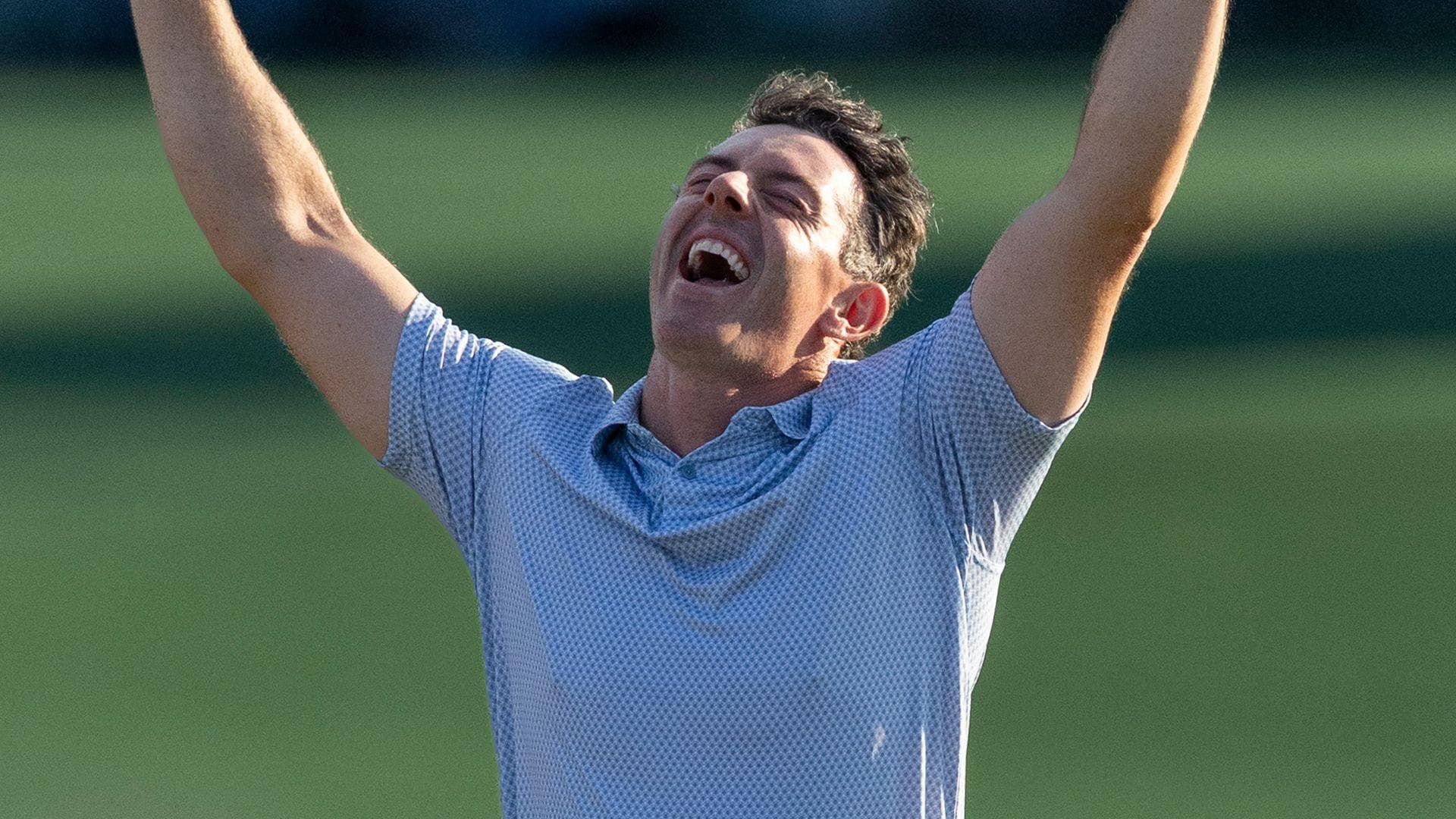
Rory McIlroy’s second straight Masters was won in increments, not eruption, and that made the repeat feel like a test of nerve as much as talent. He finished the 90th Masters Tournament at 12-under 276, edged Scottie Scheffler by one stroke at Augusta National Golf Club, and became only the fourth man to win back-to-back green jackets, joining Jack Nicklaus, Nick Faldo and Tiger Woods. The final tap-in sealed McIlroy’s sixth major championship and gave Augusta another chapter in a career that has repeatedly been defined by pressure.
If the championship is reduced to five decisive swings, they were the ones that built a six-shot cushion through two rounds, kept McIlroy alive when the outright lead slipped in the third round, restored control with birdies around Amen Corner, blunted Scheffler’s weekend surge and let McIlroy close despite a bogey on 18. That sequence mattered because Augusta National punishes hesitation. McIlroy did not need to dominate every hole. He needed to manage the scorecard when the tournament tightened, and he did enough to keep the margin in his hands on Sunday.
The early lead was the most important buffer. McIlroy held six shots after two rounds, then saw that advantage evaporate and entered the final round tied at the top. That swing changed the tone of the weekend. Instead of protecting a runaway margin, McIlroy had to start over against a field that had spent two days trying to force him out of rhythm. The fact that he remained tied for the lead going into Sunday, rather than chasing from behind, preserved his leverage over the field.
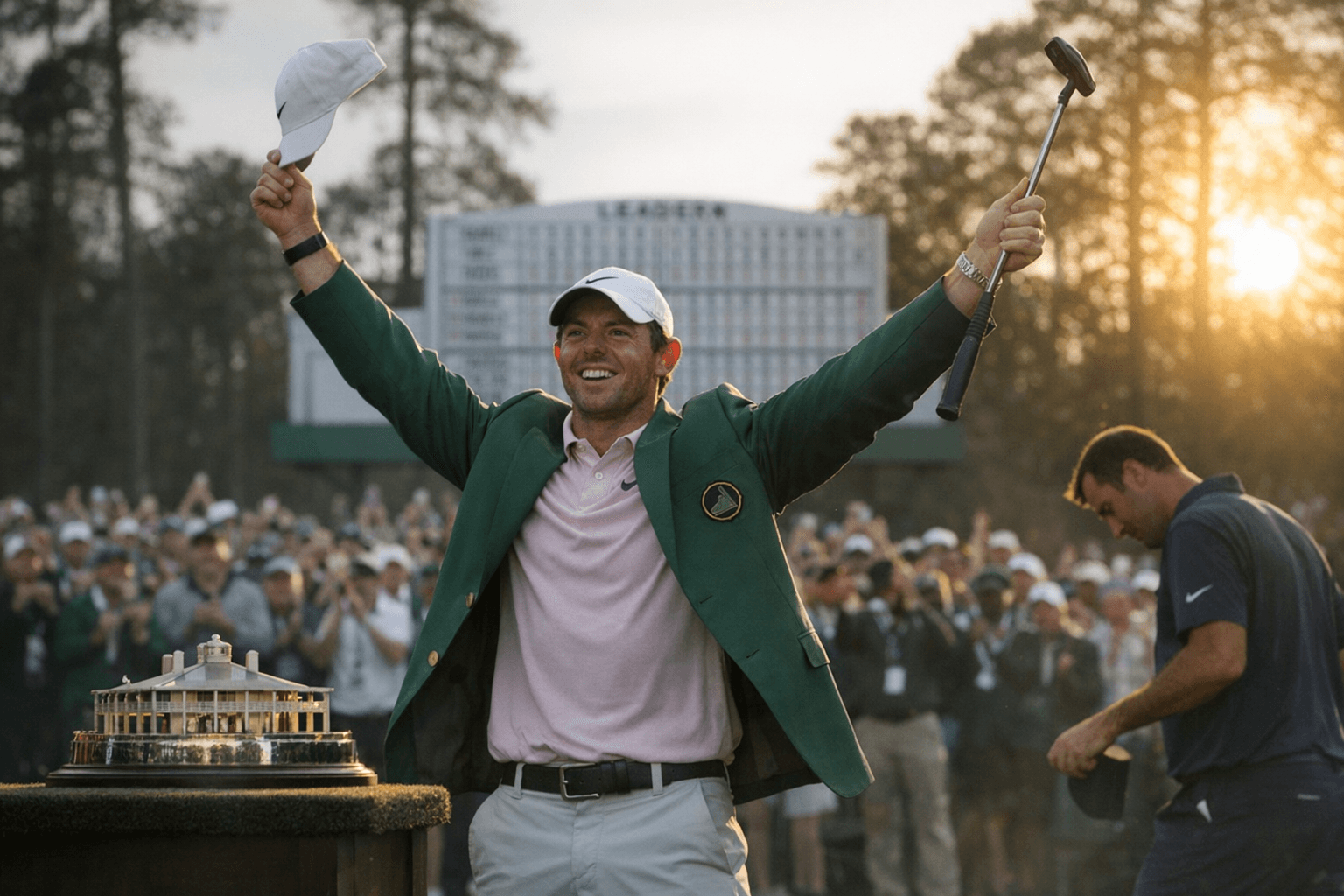
The response came on the back nine, where McIlroy’s birdies around Amen Corner reasserted control at the exact point Augusta most often decides championships. Scheffler made the chase difficult, posting a 65-68 weekend and becoming the first player since 1942 to go bogey-free on the weekend at Augusta, but the margin never quite turned in his favor. McIlroy’s timing mattered as much as the score itself. He answered pressure with precise play, then absorbed a late bogey on 18 without surrendering the trophy.
For McIlroy, the finish carried a different feeling than the first Masters title he won in 2025, which completed the career Grand Slam after years of near-misses at Augusta. He said the second win felt like “pure joy” rather than relief, an appropriate ending for a player who turned the most demanding stages of the tournament into a controlled march to history.
This article was produced by Prism’s automated news system from verified source data, official records, and press releases, then run through automated quality and moderation checks before publishing. The system is built and supervised by the people who set the standards it runs under. Read our full AI policy.
Did this article answer your question?

.jpg&w=1920&q=75)
