McTominay’s Scotland impact goes beyond goals, FIFA says
McTominay entered Scotland’s opener fit, but UEFA’s numbers show an 85.34% passer who covers 9.35 km a match, not just a goalscorer.
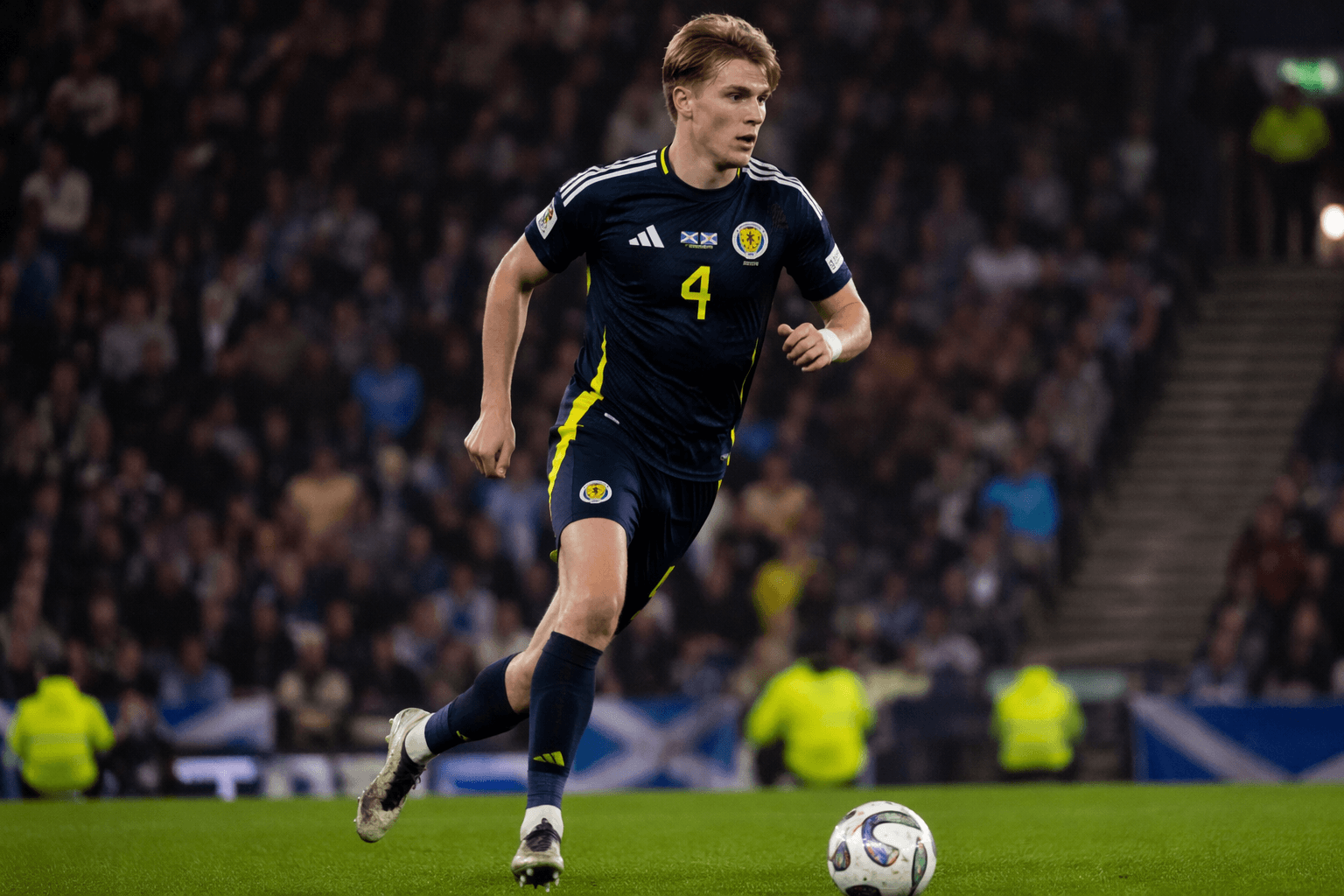
Scott McTominay went into Scotland’s World Cup opener against Haiti at Boston Stadium with a stomach bug scare behind him and a wider argument still hanging over his name. FIFA had already cast the Napoli midfielder as one of the central figures in Scotland’s return to the tournament after a 28-year absence, and the numbers back up that view.
Scotland earned their place at the finals through a dramatic qualifying finish that turned on goals from McTominay, Lawrence Shankland, Kieran Tierney and Kenny McLean. Belarus’ unlikely draw against Denmark opened the door, and Scotland burst through it. That sequence mattered because it showed how much of the burden had been shared, even if McTominay has become the most scrutinised name in the discussion.
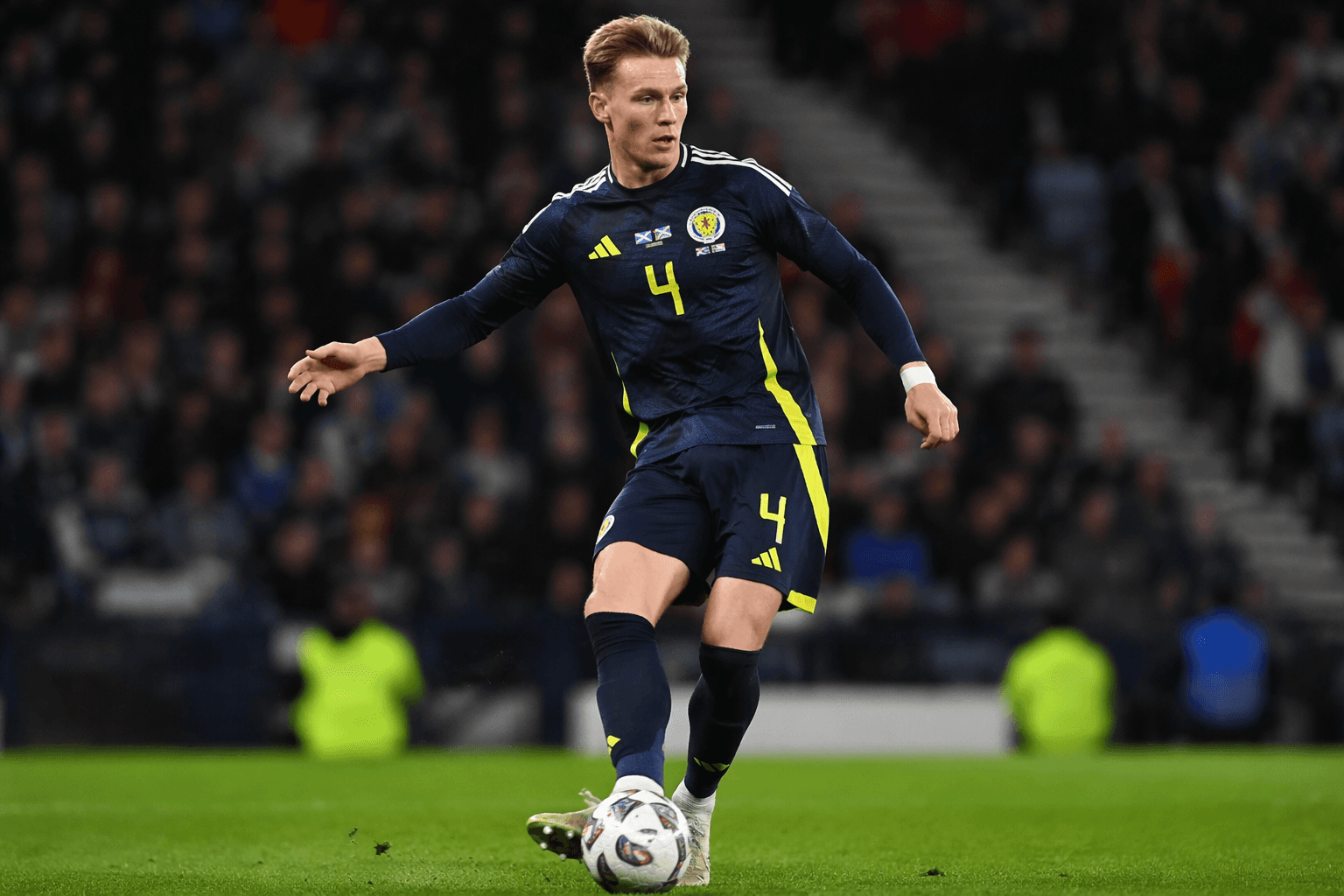
The criticism of McTominay, then, says as much about how midfielders are judged as it does about his actual contribution. UEFA’s European Qualifiers statistics list his passing accuracy at 85.34 percent and his average distance covered at 9.35 kilometres per match. Those are not headline-grabbing figures in the way goals are, but they point to a player doing substantial work in possession and out of it, which is often the hidden engine of a tournament team.
That matters for Scotland because Steve Clarke has repeatedly framed the national team’s comeback in bigger historical terms. He has noted that the post-1998 drought stretched beyond World Cup failure and into 11 major tournaments in total. Ending that kind of absence is not usually the product of one attacking spark alone. It is built on stability, repetition and players like McTominay functioning as more than finishers at the top of a highlight reel.
FIFA also linked McTominay’s Scotland role to his club season at Napoli, where he helped power the Serie A title challenge and arrive at the World Cup with momentum rather than doubt. UEFA’s Champions League figures for Napoli in 2025/26 show McTominay with 4 goals in 8 matches, across 699 minutes, a return that underlines his ability to contribute in advanced areas without reducing him to a pure scorer.
That combination of club output, qualifying influence and physical output is why the debate around McTominay looks narrower than the evidence. Scotland’s Group C assignments against Haiti, Morocco and Brazil will demand far more than goals. They will demand running, ball security and tactical discipline, the kinds of contributions that rarely dominate the post-match cut but often decide whether a mid-level side can survive a major tournament.
This article was produced by Prism’s automated news system from verified source data, official records, and press releases, then run through automated quality and moderation checks before publishing. The system is built and supervised by the people who set the standards it runs under. Read our full AI policy.
Know something we missed? Have a correction or additional information?
Submit a Tip