Medicaid cuts could push disabled Americans back into institutions
Rebecca Anger gets six Medicaid-paid hours of help a week. Federal cuts could leave her among millions pushed from home care toward institutions.
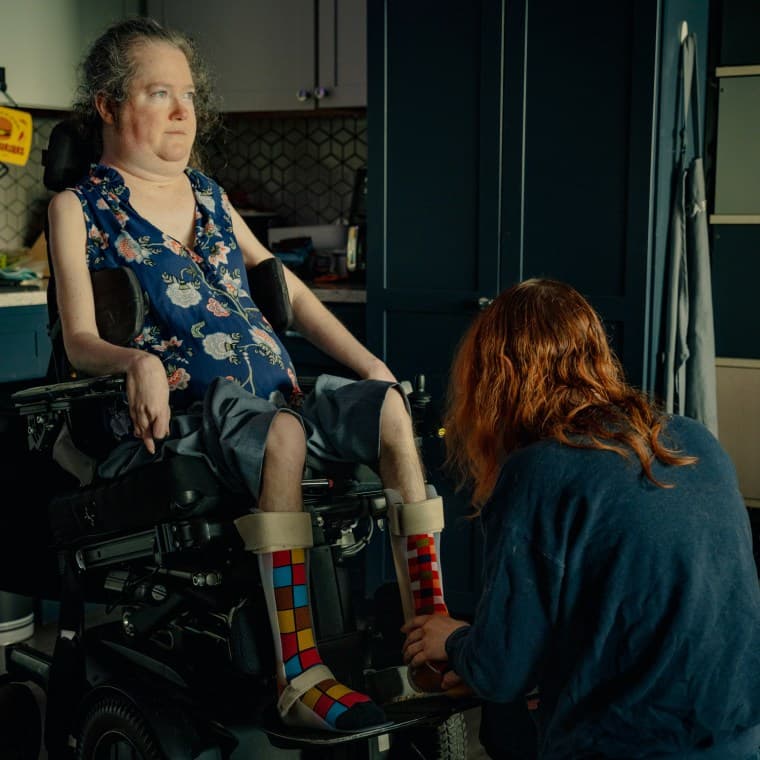
Federal Medicaid cuts are poised to drain $911 billion from the program over a decade, a shift that could hit the aides, waivers and home care hours that keep disabled Americans living at home instead of in facilities. In Chicago, 41-year-old lawyer Rebecca Anger depends on that support every workday, with caregiver Christine O’Connor paid $19.50 an hour through Medicaid for about six hours a week.
In Olmstead v. L.C., decided June 22, 1999, the Supreme Court held that unnecessary segregation of people with disabilities is discrimination under Title II of the Americans with Disabilities Act. The law’s integration mandate requires states and local governments to provide services in homes and communities, not just institutions, when community-based care is appropriate, wanted and reasonably achievable.
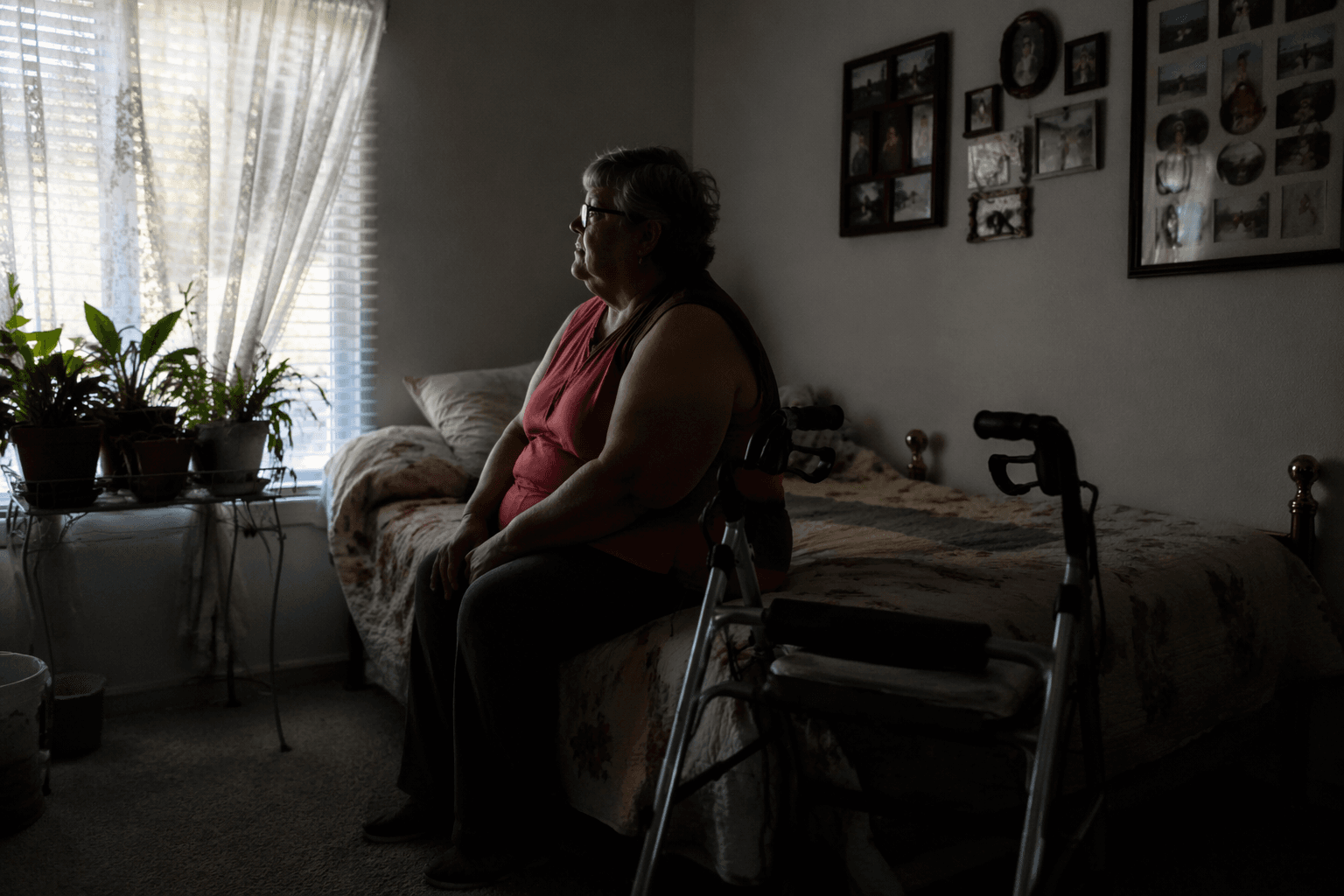
Medicaid is the backbone of that system. KFF estimates that the program is the primary payer for long-term care in the United States and covers more than two-thirds of long-term care delivered in home and community settings. KFF estimates that 5.1 million Medicaid enrollees use home care, and about half of them receive it through waivers that states can cap. In 2025, 12 states had at least one new waiting list for home- and community-based services, and 29 states had increases in waiting lists or interest lists.
She became paralyzed from the neck down at age 7 and has only limited use of her left hand. She lives with her husband in a condo overlooking Lake Michigan and works helping vulnerable Chicagoans stay in their homes, but her own independence rests on the Medicaid-paid help that gets her through the day. If states are forced to trim optional home care services or cannot keep pace with staffing shortages, the result could be fewer hours, more strain on family caregivers and a greater risk that people like Anger lose the ability to remain in their communities.
The American Association of People with Disabilities said the House-passed reconciliation bill would include at least $715 billion in Medicaid cuts over 10 years and leave at least 13.7 million people without health coverage. The National Disability Rights Network, The Arc and the Center for American Progress warned that the legislation would undercut health, independence and community living for disabled adults, older adults and children.
This article was produced by Prism’s automated news system from verified source data, official records, and press releases, then run through automated quality and moderation checks before publishing. The system is built and supervised by the people who set the standards it runs under. Read our full AI policy.
Did this article answer your question?


