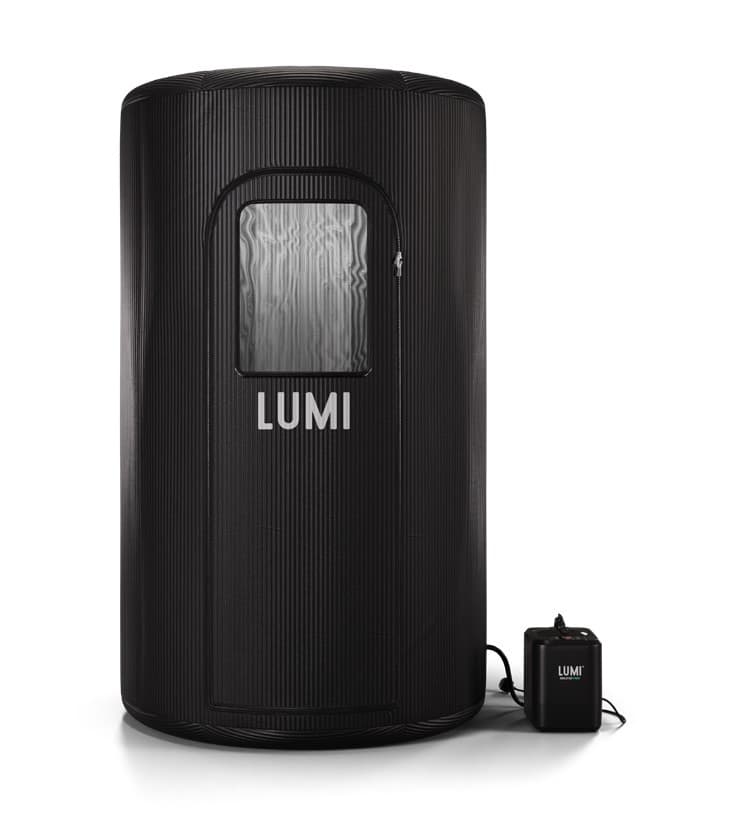
Medically Reviewed Primer Clarifies Ice Bath Benefits and Safety
A medically reviewed primer lays out current evidence on cold-water immersion, weighing short-term benefits like reduced post-exercise soreness and alertness against mixed findings for long-term strength gains. The overview also gives clear, safety-first how-to guidance, temperature, timing, and who should avoid plunges, information that matters for anyone using community cold plunges, athletic recovery routines, or home ice baths.
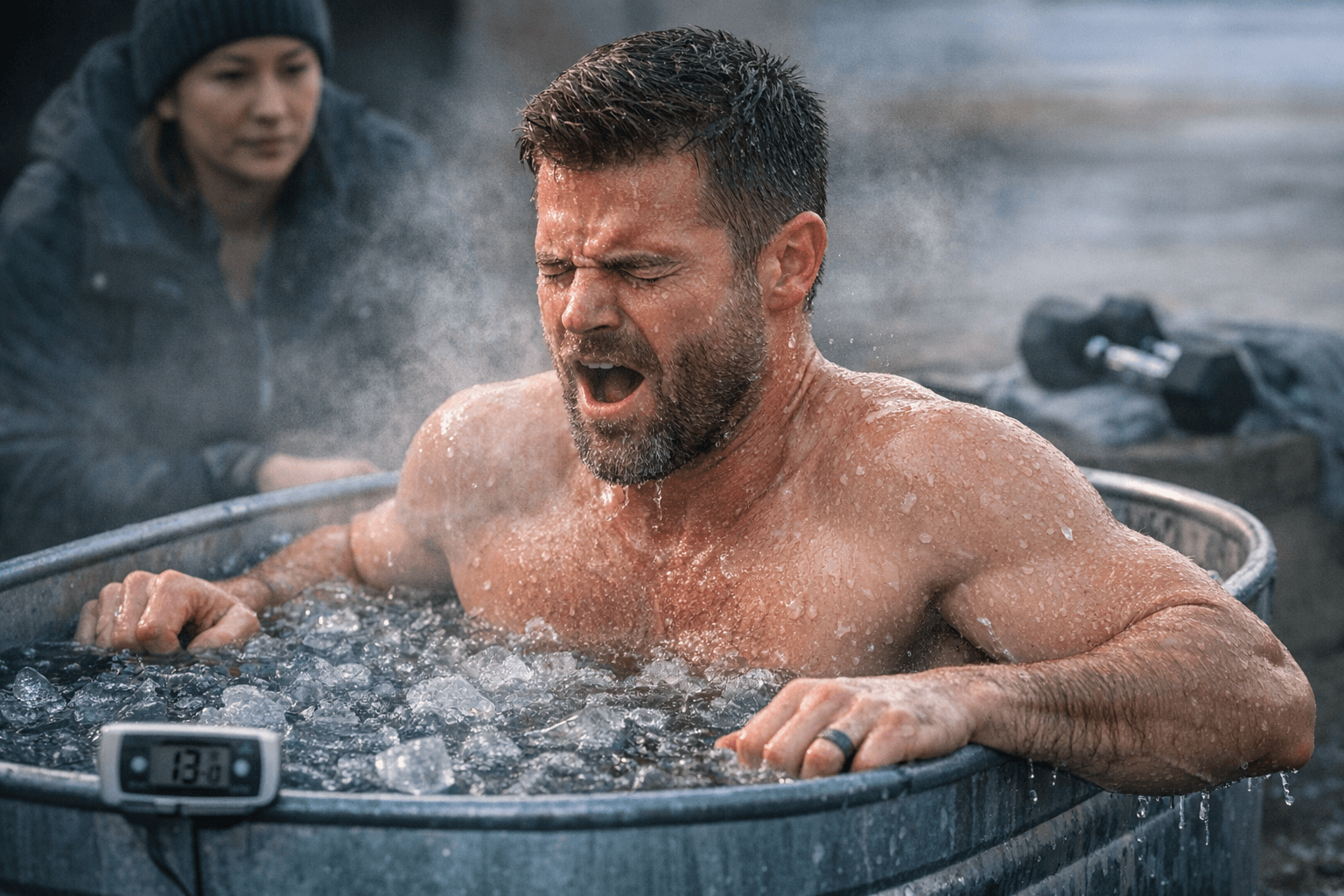
Cold-water immersion, commonly called ice baths or cold plunges, is presented in a newly released medically reviewed primer that synthesizes current research and offers practical, safety-oriented advice. The overview highlights where the practice shows promise, where evidence is mixed, and how to reduce risk during exposure.
Short-term benefits are the clearest takeaway. Plunges can reduce muscle soreness after intense exercise and provide a transient reduction in inflammation and swelling. Many people report increased mood and alertness driven by sympathetic nervous system activation during and immediately after immersion. At the same time, the research literature does not uniformly support routine cold plunges for long-term strength or muscle growth when used immediately after resistance training; several studies call those benefits into question.
The primer gives concrete guidance on temperature and duration. Typical temperature ranges for cold-water immersion are about 50 to 59 degrees Fahrenheit (10 to 15 degrees Celsius). Common exposure times fall between 5 and 15 minutes, with shorter durations recommended for beginners and for situations with higher cardiovascular stress. The document advises waiting 4 to 6 hours after heavy resistance training before taking a cold plunge if hypertrophy and long-term strength are primary goals.
Safety receives heavy emphasis. Cold shock and rapid increases in heart rate and blood pressure are primary concerns during initial immersion. Hypothermia is a risk with prolonged or repeated exposure. Practical steps to reduce danger include starting with brief exposures, using a reliable thermometer to monitor water temperature, and never plunging alone if inexperienced. The primer recommends consulting a clinician before beginning cold-water immersion for people with heart disease, uncontrolled hypertension, or certain neurological or respiratory conditions.
For community pools, gyms, and backyard setups, this guidance has immediate practical value. Operators and organizers should post temperature guidelines and recommended maximum times, ensure thermometer access, and encourage a buddy system for new users. Individuals building a home routine can use the temperature and timing ranges to design progressive exposure while minimizing risk.
Cold plunges remain a useful tool for short-term recovery and mental alertness, but they are not a one-size-fits-all solution. Use the temperature and timing guidelines, prioritize safety measures, and consult a healthcare professional if you have underlying cardiovascular or respiratory concerns.
Know something we missed? Have a correction or additional information?
Submit a Tip