Megan Ellison quietly rebuilds Annapurna, names Barnard and Budman co-heads
Annapurna founder Megan Ellison has begun reassembling senior leadership, naming Chelsea Barnard and Matthew Budman co-heads of film as the boutique studio pursues a comeback.
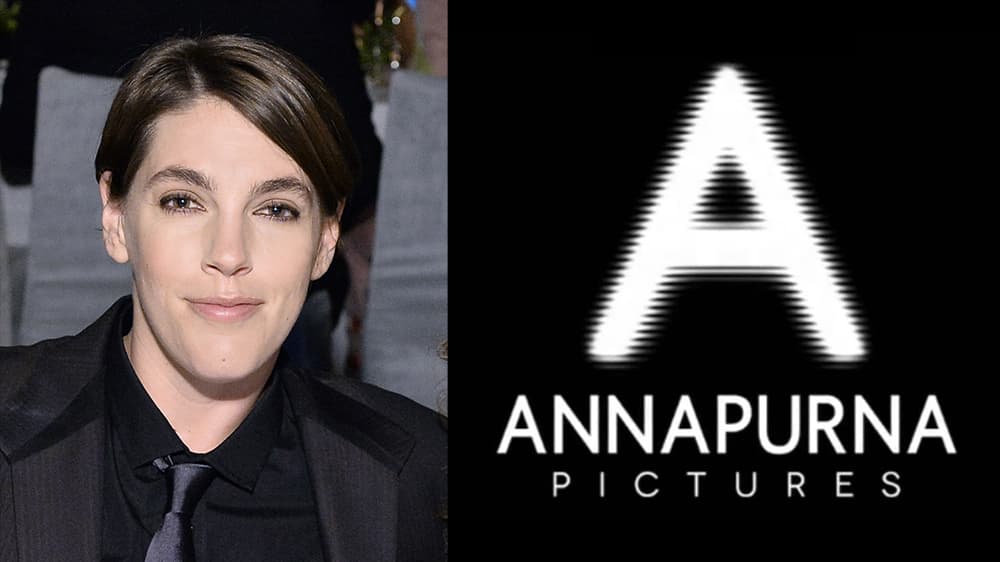
The Hollywood Reporter exclusive by Mia Galuppo on March 5, 2026, says Megan Ellison is quietly rebuilding senior leadership at Annapurna, naming Chelsea Barnard and Matthew Budman as returning co-heads of film and signaling that "more hires are on the way." The move marks a visible reset for a boutique, auteur-oriented studio that helped define prestige cinema in the 2010s and now aims to reassert influence over festival markets, distribution partnerships and talent relationships.
Annapurna’s reconstitution is being driven in part by recent commercial momentum. Galuppo’s piece frames Olivia Wilde’s adult dramedy The Invite as a catalyst, calling it the "splashiest sale at this year’s Sundance Film Festival" and noting Wilde’s praise of Ellison: "She had just as much faith in me when I had nothing to show for it [on Booksmart]," Wilde said ahead of this year’s Sundance. "She was so fiercely defensive of my creative freedom [on The Invite], and I’m so grateful, because it just doesn’t happen very often." That Sundance result and Ellison’s prior work finishing and selling Nimona to Netflix after acquiring and funding the completion of the film have given the studio fresh credibility with directors and distributors.

The announcement comes against a broader industry backdrop in which Ellison’s family name has recently returned to the headlines. "With David Ellison aiming to take over Hollywood, emerging triumphant on Feb. 27 in the $111 billion fight for Warner Bros. Discovery less than a year after merging his studio Skydance with Paramount, chatter in more independent-focused corners of the industry has turned to another Ellison," The Hollywood Reporter wrote, framing Megan Ellison’s revival as part of a larger Ellison-era recalibration in Hollywood power.
Annapurna’s history explains why a leadership rebuild matters. Founded in 2011 by Margaret "Megan" Elizabeth Ellison to finance daring, director-driven films, Annapurna produced and financed titles including The Master, Zero Dark Thirty, Her, Phantom Thread and American Hustle, and won industry recognition for both film and theater work. The company also launched Annapurna Interactive in 2016 to publish idiosyncratic games, and Ellison’s acquisition and completion of Nimona in early 2021 culminated in a Netflix release and an Academy Award nomination for Best Animated Feature.
But Annapurna’s revival is tempered by prior financial strain and structural shifts. Deadline’s reporting chronicled the studio’s costly expansion into distribution, a lender standoff and reports of family intervention; Deadline also noted that "Some who know her suspect that when Megan Ellison is no longer exclusive to United Artists Releasing (the joint venture between Annapurna and MGM) beginning early next year, she might well go back to her previous practice of funding and producing taste‑maker fare, and placing each film at whatever studio feels best for the pictures." The same outlet has also detailed past asset moves, writing: "It was Megan Ellison who had the foresight to acquire the Terminator rights out of the Carolco library when that company went bankrupt, for around $20 million. It didn’t fit the kind of movies she wanted to make, and she sold those rights to her brother, David."
For filmmakers and distributors, the rehires signal renewed access to a producer known for protecting creative freedom and for taking financial risks on prestige projects. For Annapurna, the task is to turn festival buzz and selective financing wins into a sustainable slate without repeating earlier missteps in distribution and cash flow. Ellison’s exact financial posture, the start dates and mandates for Chelsea Barnard and Matthew Budman, and the identities of the additional hires Galuppo said are coming have not been publicly disclosed; Annapurna has not issued a formal company statement in connection with the THR exclusive. Industry watchers will be watching whether this quiet rebuild produces a return to the taste‑maker role that made Annapurna a bellwether for director-driven cinema.
This article was produced by Prism’s automated news system from verified source data, official records, and press releases, then run through automated quality and moderation checks before publishing. The system is built and supervised by the people who set the standards it runs under. Read our full AI policy.
Did this article answer your question?