Meituan open-sources LongCat AI model trained on Chinese chips
Meituan said LongCat-2.0 was trained and run on a 50,000-chip domestic cluster, a test of whether China can scale frontier AI without U.S. semiconductors.

Meituan said June 30 it had released LongCat-2.0 and would open-source the model, putting the food-delivery giant at the center of China’s push to prove advanced AI can be built on domestic silicon. The company described LongCat-2.0 as a 1.6-trillion-parameter system with about 48 billion activated parameters per token and a native 1-million-token context window, aimed at agentic coding and other long-horizon tasks.
The hardware claim is the sharper one. Meituan said the model completed full training and inference on a domestic compute cluster of more than 50,000 chips or cards powered by Chinese-made processors, but it did not identify the chip supplier. That matters in a year when Beijing has been pressing to reduce dependence on U.S. semiconductor technology and domestic players such as Huawei and Enflame have been moving quickly to fill the gap.

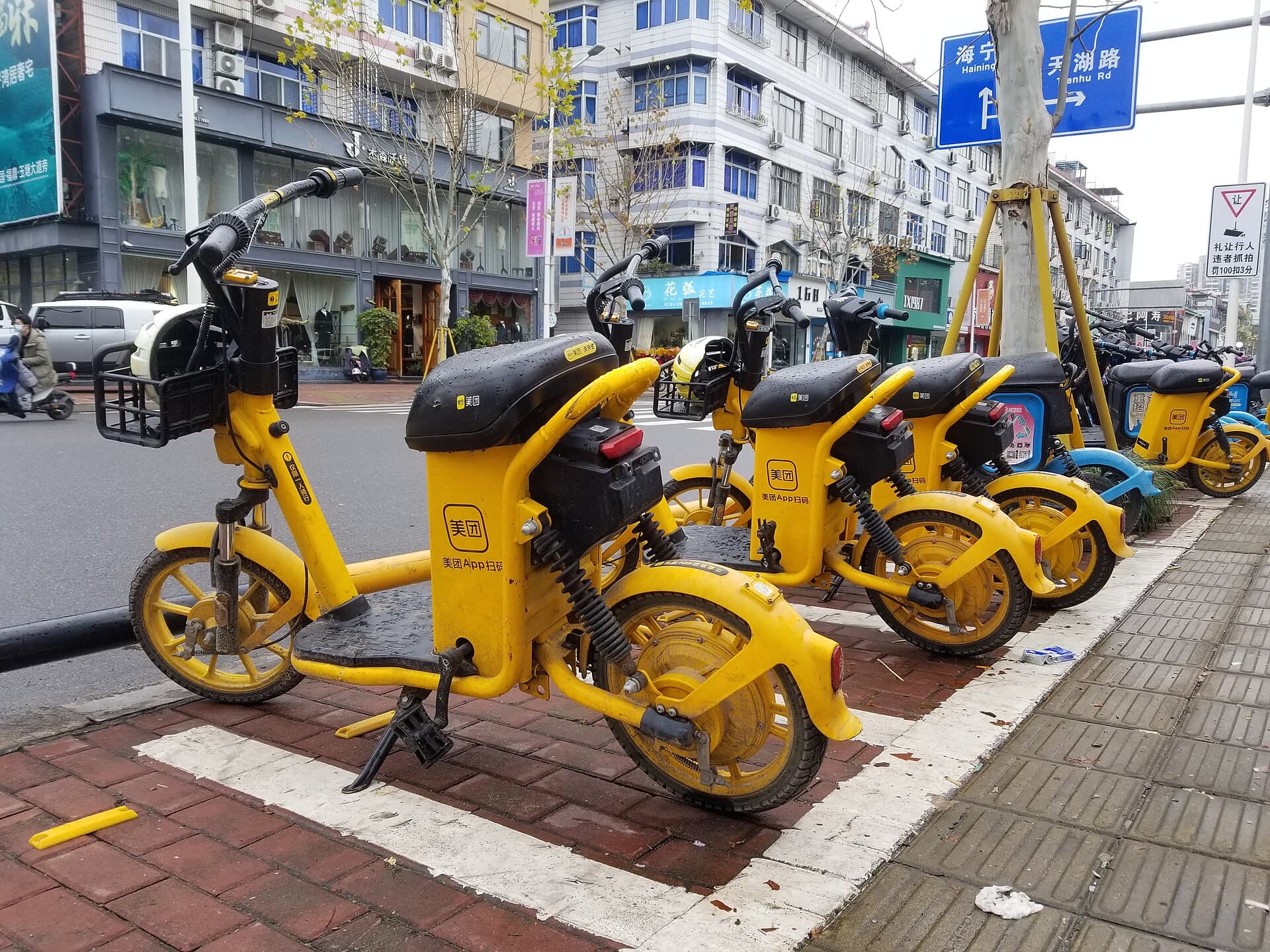
LongCat is also a signal about where China’s AI competition is headed. Meituan is best known as a consumer platform, often compared with DoorDash, not as a frontier model lab. By stepping into large-scale model development, Meituan widened a race that has already been defined by names such as ByteDance and DeepSeek, and showed how cash-rich internet and services companies are now being pulled deeper into the build-out of local clouds, local chips and open-source releases.
The practical question is whether the model’s scale translates into usable performance at an acceptable cost. A 1-million-token context window can help with code bases, document-heavy workflows and multi-step reasoning, but the harder test is whether domestic hardware can sustain that load efficiently in both training and deployment. Meituan’s LongCat GitHub organization now lists public repositories including LongCat-2.0, and the Hugging Face page said the weights were still coming soon, suggesting the company is still building out the release even as it markets the underlying infrastructure claim.
Meituan’s pages said the release was under the MIT License, a permissive choice that could help draw developers into the project. For China’s AI sector, the milestone is part technical benchmark and part political proof point: if a trillion-scale model can be trained end to end on homegrown hardware, the country can argue that its sanctions-era chip strategy is beginning to hold.
This article was produced by Prism’s automated news system from verified source data, official records, and press releases, then run through automated quality and moderation checks before publishing. The system is built and supervised by the people who set the standards it runs under. Read our full AI policy.
Did this article answer your question?