Mejuri founder Noura Sakkijha on everyday fine jewelry and 2026 trends
Noura Sakkijha, a third-generation jeweler from Jordan, built Mejuri in 2015 to make fine jewelry wearable daily; she raised $23 million in 2019 while seven months pregnant with twins.
.jpg&w=1920&q=75)
Noura Sakkijha began Mejuri as a corrective to a centuries-old script: fine jewelry bought for moments, not for the self. Raised in a family of jewelers in Jordan and trained in industrial engineering, she launched Mejuri in 2015 with a direct-to-consumer model designed to cut intermediaries and reframe luxury as daily self-expression. The brand’s rallying cry is simple and blunt: "Buy yourself the damn diamond."
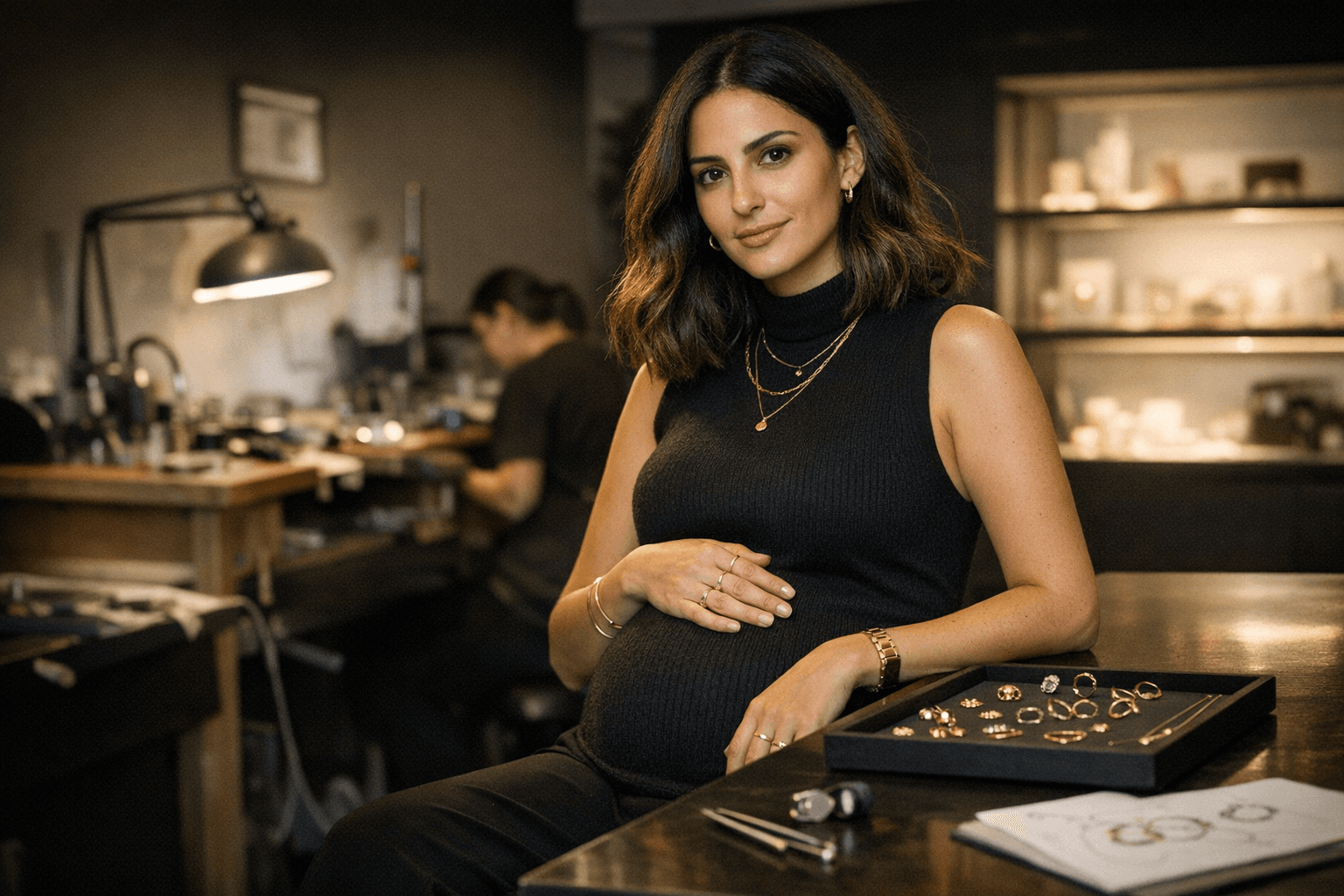
The origin story traces back to a 2012, award-winning business plan that first envisioned a crowdsourced design platform. That model proved unworkable, so Sakkijha pivoted, listening to customers and mentors and building a DTC company focused on affordability and accessibility. Early growth accelerated into formal capital rounds; in 2019 Mejuri closed a $23 million Series B while Sakkijha was seven months pregnant with twin girls, and one profile reports the founder has "successfully raised more than $40 million" overall.
Design and product are engineered with the body in mind. "Our design language is rooted in clean lines, thoughtful proportions, and a sculptural, modern sensibility - but our philosophy goes far beyond aesthetics. We were founded on empowerment and self-expression, which is why we obsess over how each piece feels on the body, designing jewelry meant to be worn comfortably every day so our customers can express themselves with confidence," Sakkijha has said. Products are designed in-house, prioritize stackability and layerability, and are photographed "in context, on real women, not glossy, unattainable images."
Scale and commercial metrics underline the business case for everyday fine jewelry. Mejuri has sold more than 1.8 million pieces since its inception in 2015 and positions its pricing around fine materials delivered without traditional markups. The company reports a team composed of over 70 percent women, a fact the founder and management highlight when describing hiring and leadership priorities.
Sustainability and impact are embedded in Mejuri’s public commitments. The brand emphasizes ethical sourcing and traceability, cites a partnership with Salmon Gold "regenerating ecosystems damaged by mining," and promotes "A $5M empowerment fund to support women and non-binary folks in underrepresented communities." Those programmatic claims sit alongside product statements; clarity on timelines and measurable outcomes will be central to how the industry judges their durability.
Sakkijha’s leadership practice has been candid and iterative. She has spoken about hitting burnout in the company’s early years and has publicly asked herself, "Am I still the right CEO for this stage of the business?" Her hiring credo is to recruit people who are "10x better" than her in specific roles, and observers note that "She doesn't expect perfection, she expects progress."
Looking toward 2026, Mejuri’s playbook remains consistent: design in-house, keep fine materials accessible through DTC economics, and foreground wearability and empowerment messaging. With celebrity visibility and clear commitments to traceability and community funding, Mejuri is positioned to press the argument that fine jewelry belongs in everyday life as much as it does on special occasions.
Know something we missed? Have a correction or additional information?
Submit a Tip