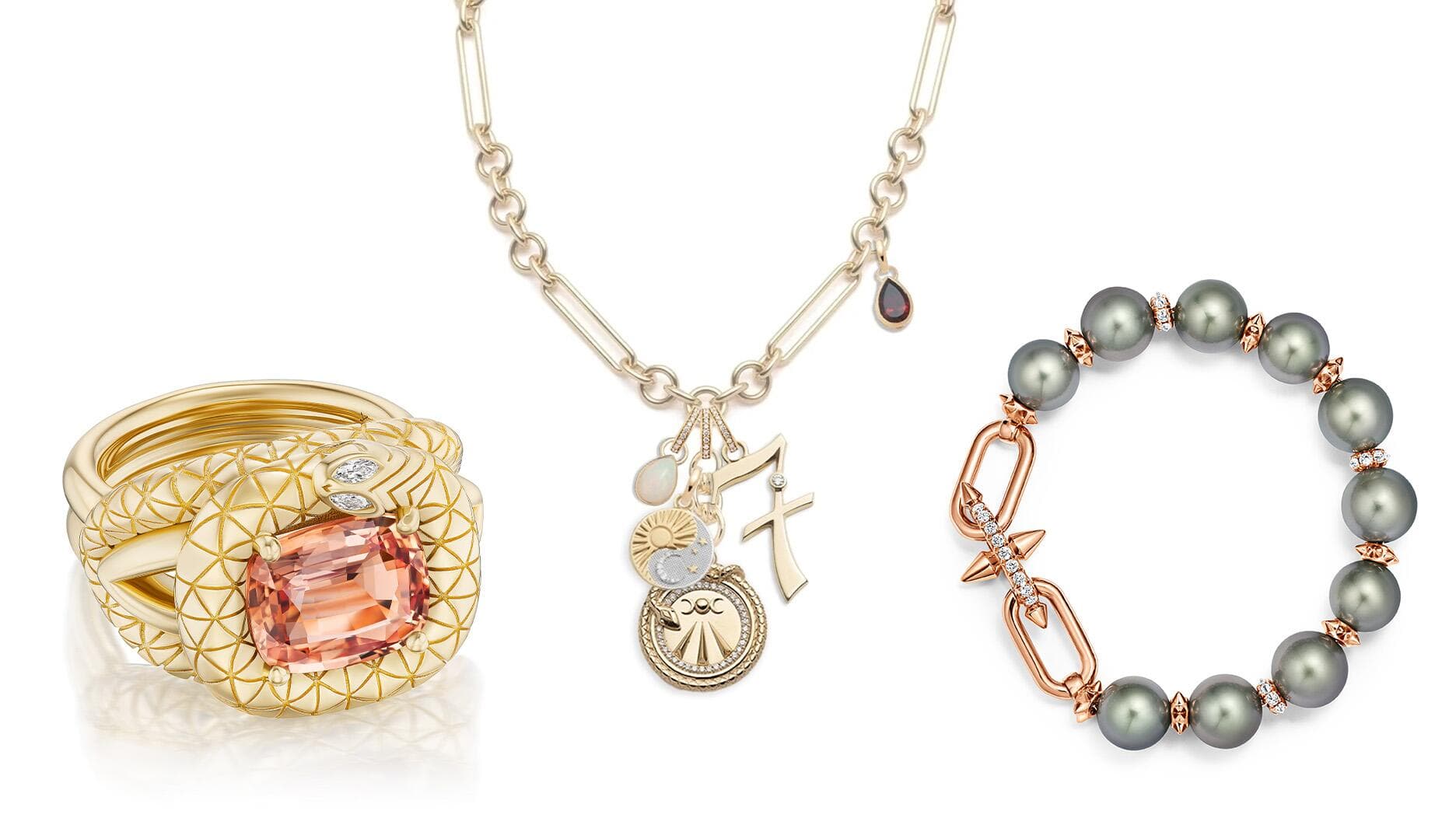
Mejuri’s DTC model disrupted fine jewelry with affordable 14k minimalist pieces
Mejuri proved that high-quality 14k gold can be sold direct-to-consumer with weekly drops and everyday designs, reshaping how a new generation buys minimalist fine jewelry.
Mejuri changed the business model that long insulated fine jewelry prices by selling 14k gold direct-to-consumer and building demand with weekly drops and an emphasis on everyday wear. The company "disrupted the fine jewelry market with its direct-to-consumer model" and demonstrated that "high-quality 14k gold jewelry doesn’t have to come with luxury markups," a shift that the Original Report credits with defining how a new generation shops for minimalist fine jewelry.
That economic pressure rippled through a crowded field where other DTC brands make similar claims. Aurate positions itself on the same premise - "Cut the middleman out with Aurate. This DTC brand avoids unnecessary markups typically involved in buying and selling jewelry, so you get a high-quality item for a fraction of what it typically costs" - and sells staple designs such as the Infinity Deco Triple Gold Hoop Earrings, Birthstone Necklace, and Connection Bracelet. Mejuri’s boyfriend bold bracelet sits alongside Aurate’s offerings in a market where price and accessibility are as much a design consideration as material and finish.
Material and provenance language has become part of brand identity. Vrai centers sustainability with lab-grown diamonds and clean 14k gold settings; Monica Vinader advertises jewelry "handcrafted in 100% recycled gold and sterling silver with conflict-free diamonds and natural gemstones"; Brilliant Earth has long touted traceability, and Thegoodtrade writes that the brand "was one of the first to provide traceability of a diamond’s origin and ownership - and they continue to go above and beyond the industry benchmarks for conflict-free gems." Quince explicitly states that items are sourced from Responsible Jewelry Council members and offers diamond huggie hoops for under $100 and a freshwater pearl necklace for $150, while Nyrelle lists labels including "BIPOC Owned," "Fair trade," "Recycled materials," and a price range of $10 to $2,002.
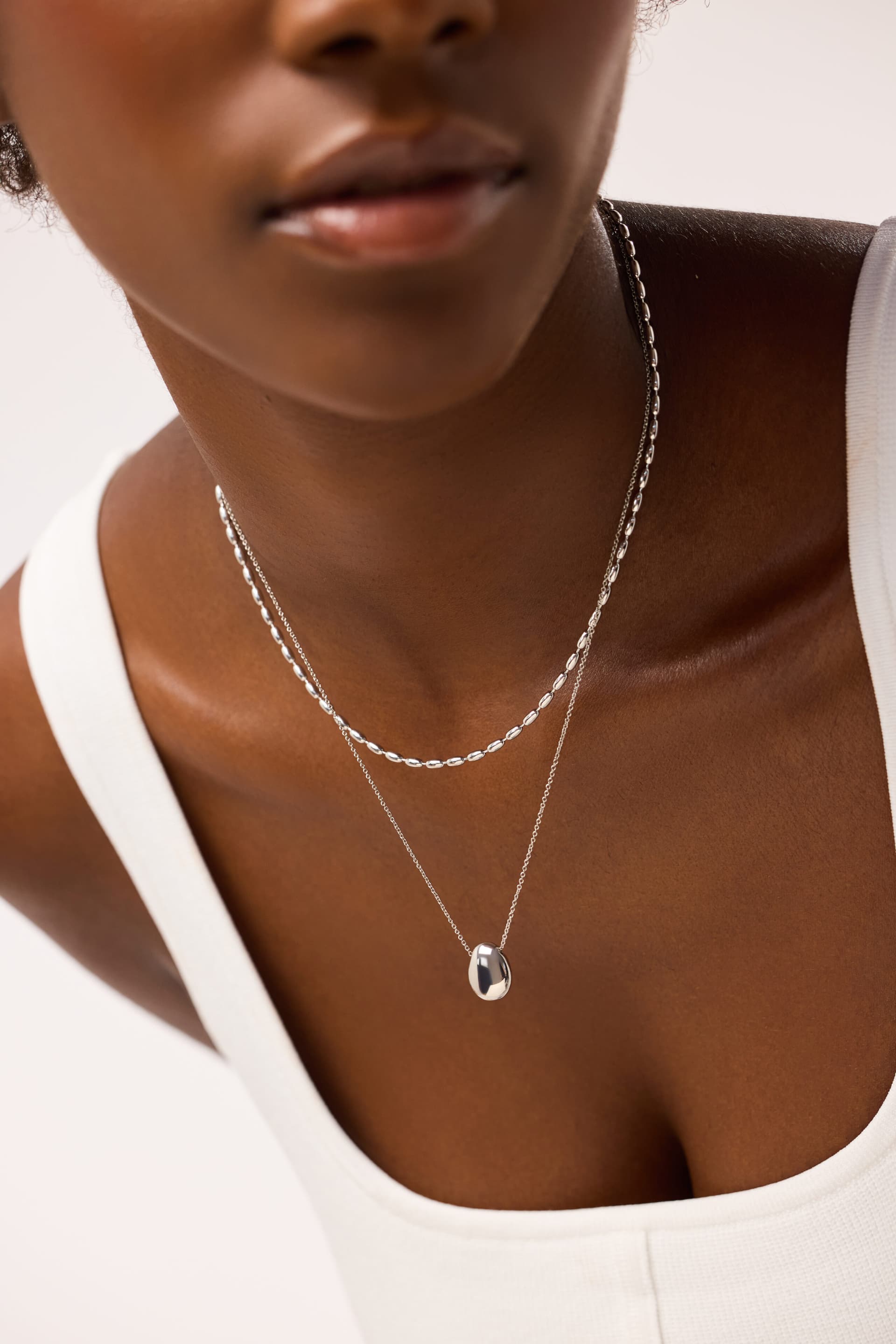
Design-wise, the minimalist canon now reads like a shopping list of precise pieces. Chain necklaces include the Brilliant Earth Lola paperclip chain, Fallon Hailey short herringbone at MATCHESFASHION, Loren Stewart Demi herringbone at NET-A-PORTER, Aureum’s Chloe gold chain, Stone and Strand’s dainty twist chain, and Veneda Carter’s silver VC008 at SSENSE. Rings run from J.Hannah’s Duo form ring to Agmes’ domed ridge ring set and Charlotte Chesnais’ Blaue ring on MATCHESFASHION. Bracelets feature the Mejuri boyfriend bold bracelet and Maria Black’s Manhattan bracelet at SSENSE.
For buyers who prize provenance as much as polish, the field offers clear statements but uneven substantiation. Quince names RJC-member sourcing, Vrai uses lab-grown stones, and Monica Vinader claims recycled metals and conflict-free diamonds, while other brands emphasize handcrafted studios or ethical sourcing without the same named certifications. Town & Country captures the appeal plainly: "Minimalist jewelry is without a doubt the unsung hero of every woman's jewelry box."
Mejuri’s model forced an industry conversation about price, accessibility, and accountability; the question now is which brands will match Mejuri’s market reach with equally specific, verifiable sourcing — lab-grown origins, RJC membership, audited recycled-gold supply chains, or documented traceability — so minimalist pieces can be both affordable and uncompromisingly ethical.
Know something we missed? Have a correction or additional information?
Submit a Tip