Meloni’s coalition wins Venice mayor race, rebuffs polling doubts
Simone Venturini cleared 50% in Venice, denying a runoff and giving Giorgia Meloni a rare local boost after March’s referendum defeat.
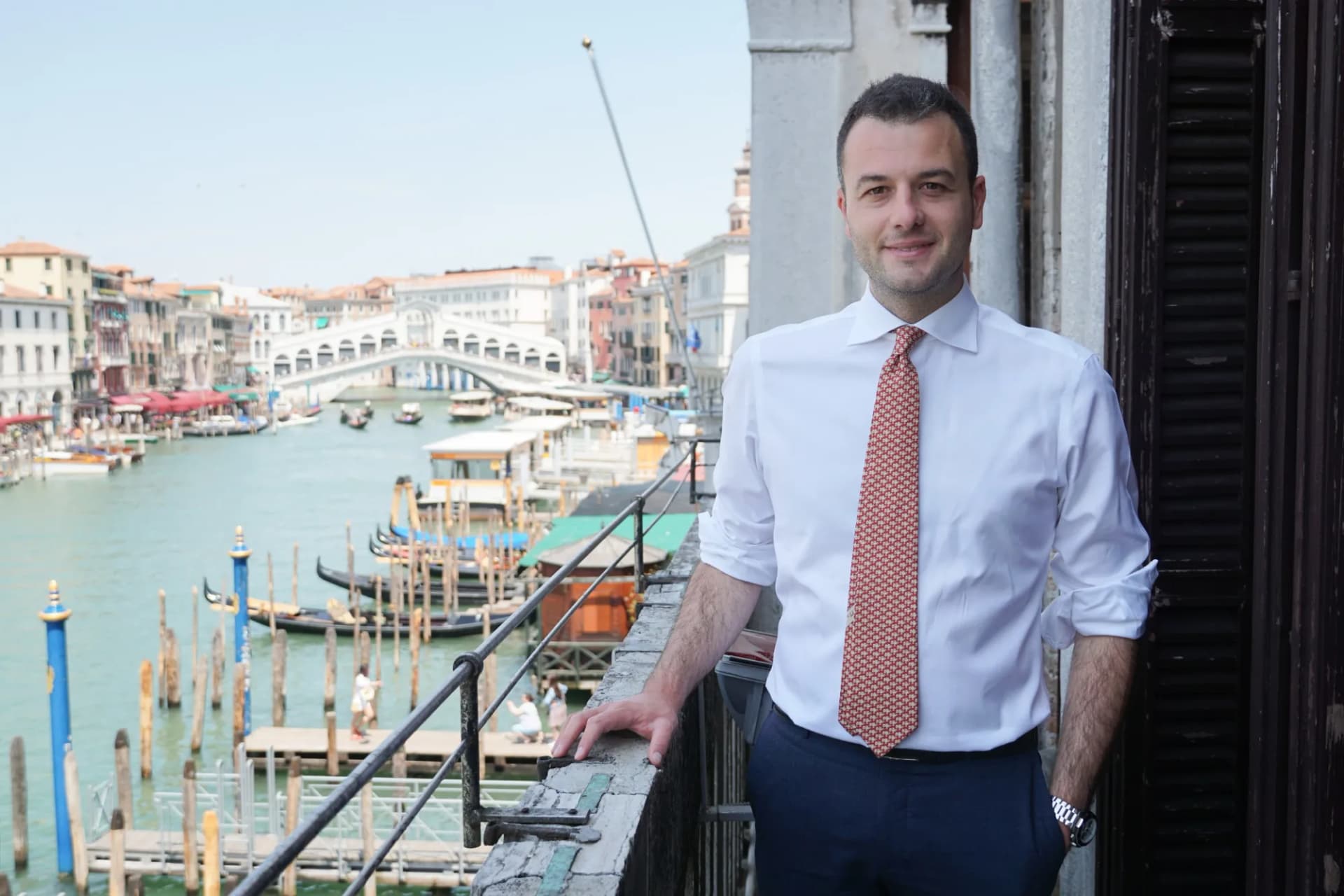
Giorgia Meloni’s right-wing coalition won a politically charged mayoral race in Venice, where Simone Venturini took nearly 51% of the vote and avoided a runoff that would have been held on June 7-8. The result beat back opinion polls that had pointed to a centre-left edge and gave Meloni a needed show of strength after voters rejected her-backed judicial reform in a March referendum.
Andrea Martella, the main centre-left challenger, finished at about 39%, a gap wide enough to settle the race without a second round. Venice had been governed by the right for roughly a decade, but the contest drew national attention because it was seen as a test of whether Meloni’s coalition still had firm ground after the referendum defeat. In the end, the city that had looked vulnerable to an opposition upset delivered a result that reinforced the centre-right’s local organization and electoral reach.
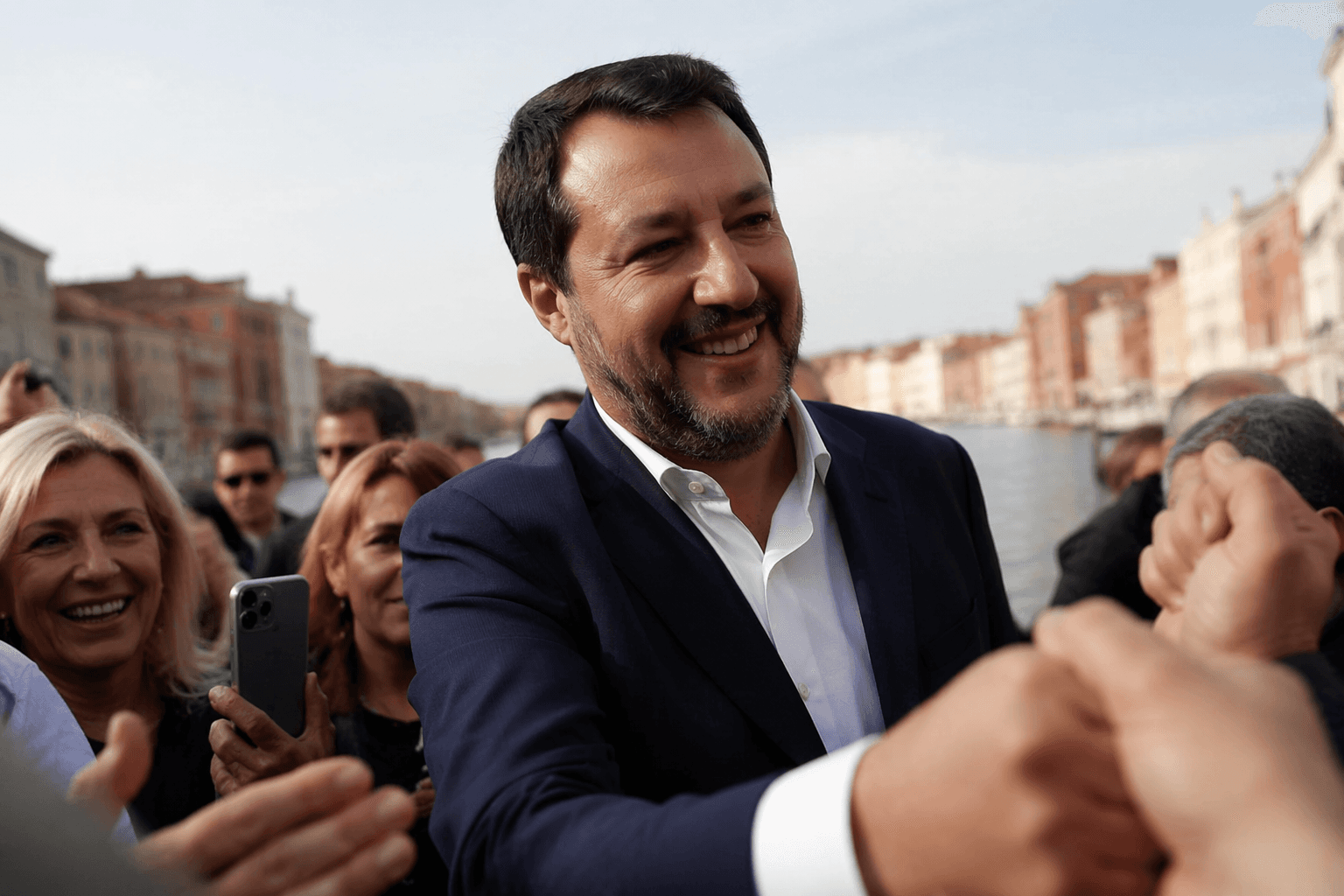
The stakes were larger than Venice alone. More than 6 million Italians voted across 749 municipalities in the local elections, which have increasingly been treated as an early read on the balance of power ahead of the general election due in 2027. With Italy’s two main political blocs now widely seen as neck-and-neck, municipal races are carrying more weight than they once did, especially when the numbers diverge from polling expectations.
Venturini’s win also carried symbolic value because Venice has been at the center of recent controversy over Russia’s presence at the Venice Biennale, adding another layer of national scrutiny to a race already framed as a referendum on Meloni’s momentum. Venturini himself is no newcomer to the city’s politics: he was first elected to the Venice city council in 2010 at age 22, and later held responsibilities covering social cohesion, residence policy, economic development, labor and tourism. That local profile helped make him a familiar face in a race that turned into a broader test of governing credibility.
Other local results suggested a competitive but unsettled national map. Vincenzo De Luca won again in Salerno, Federico Basile held Messina, and the centre-right also prevailed in Reggio Calabria. For Meloni’s allies, Venice now offers a simple argument: despite the March setback, the right still knows how to win when voters make the choice at the ballot box.
This article was produced by Prism’s automated news system from verified source data, official records, and press releases, then run through automated quality and moderation checks before publishing. The system is built and supervised by the people who set the standards it runs under. Read our full AI policy.
Did this article answer your question?

