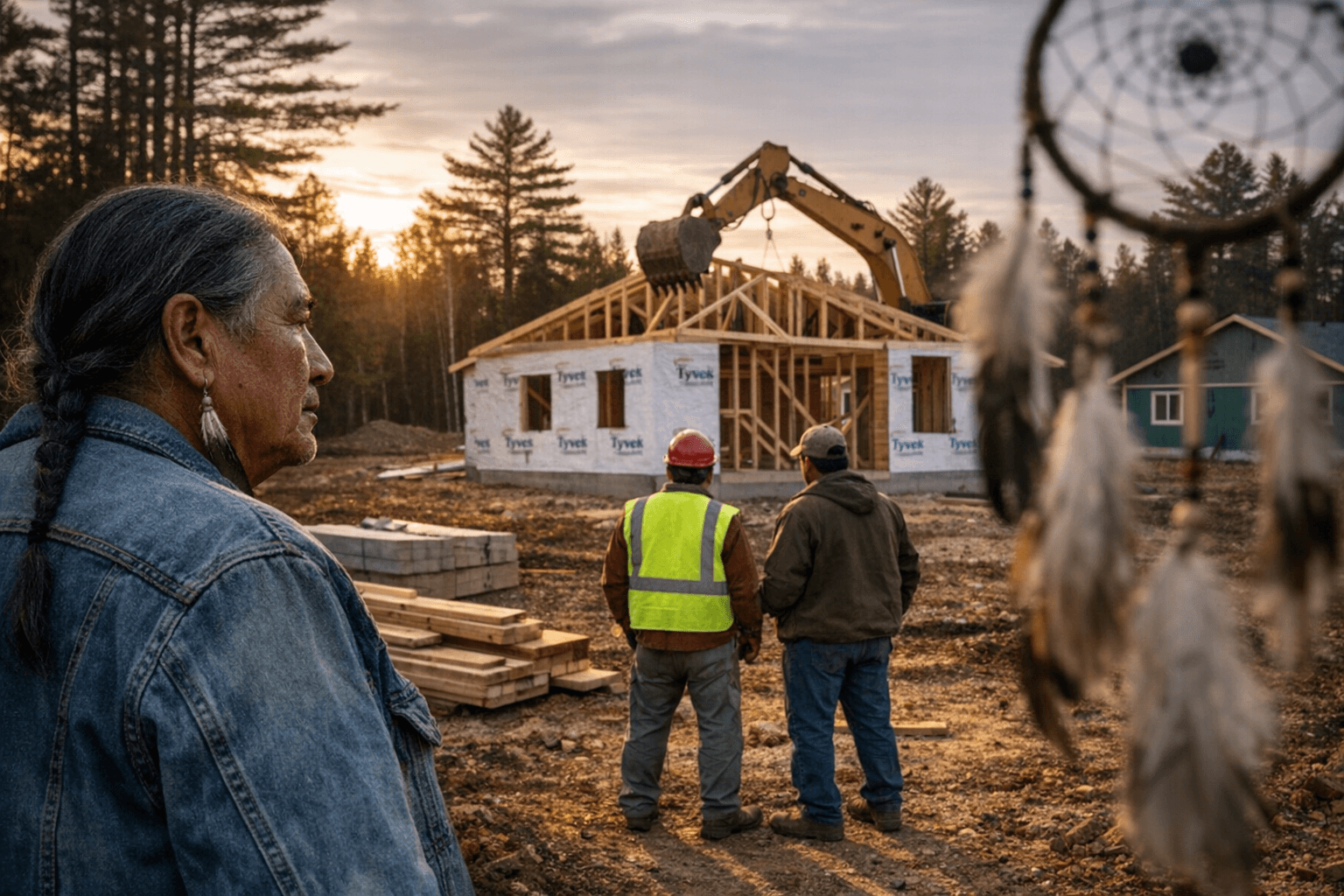
Menominee boarding school history shapes local reckoning and policy
Saint Joseph’s Indian Industrial School's history matters to residents for truth, preservation, and local policy.
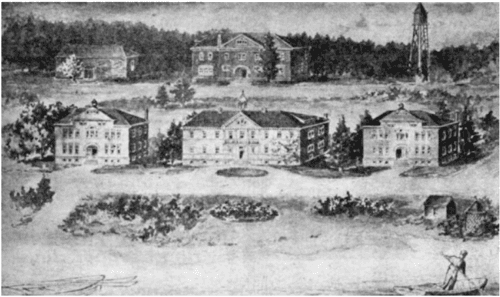
Saint Joseph’s Indian Industrial School, also known as the Menominee Indian boarding school, sits at the center of Menominee County’s ongoing conversation about history, memory, and governance. Established on the Menominee Reservation in Keshena in 1883 and operating until 1952, the institution enrolled hundreds of Menominee and other Native students as part of the federal-era boarding school system that aimed to assimilate Native children.
Recent historical scholarship and federal reviews have documented the school’s operations and contributed to broader research into the boarding school era. Those reviews have included work to identify children who died while at such institutions, elevating questions about records, accountability, and how communities remember this past. For Menominee County, the school is not only a chapter in local history but a present-day policy concern that touches tribal-federal relations, county land stewardship, educational curricula, and public memorialization.
At the institutional level, the history of Saint Joseph’s highlights gaps in archival transparency and the need for coordinated records work. County officials, the Menominee tribe, and federal agencies all hold pieces of the historical record. Decisions about access to school records, cemetery sites, and archival materials will shape how families and the wider community pursue truth and closure. Funding priorities at the county level influence whether professional archaeological and forensic work can proceed, and whether local museums or historical societies receive support to curate and present findings.
The legacy of the boarding school also has civic and electoral implications. Issues of cultural preservation, cemetery protection, and educational content can influence voter priorities for school boards and county offices, and they can mobilize community involvement in public meetings and consultations with tribal leaders. When local governments set budgets or zoning rules that affect historic sites, those choices reflect community values and can become focal points for civic engagement.

For residents in Keshena and across Menominee County, the matter is personal and practical. Preservation and truth-telling efforts can affect property planning, tourism, and how schools teach local history. They also shape community healing by recognizing past harms and supporting descendants seeking answers.
Moving forward, collaboration between the Menominee tribe, county government, and federal partners will determine how research, memorials, and educational programs proceed. Residents can expect discussions about records access, preservation funding, and curricular changes to continue at public forums and tribal consultations. How the county responds will affect not only historical understanding but the civic infrastructure for accountability and reconciliation in Menominee County.
Sources:
Know something we missed? Have a correction or additional information?
Submit a Tip