Mercedes unveils W17 and secures major Microsoft sponsorship
Mercedes reveals W17 images and a multi-year Microsoft deal, signaling commercial muscle and technical ambition for the 2026 season.
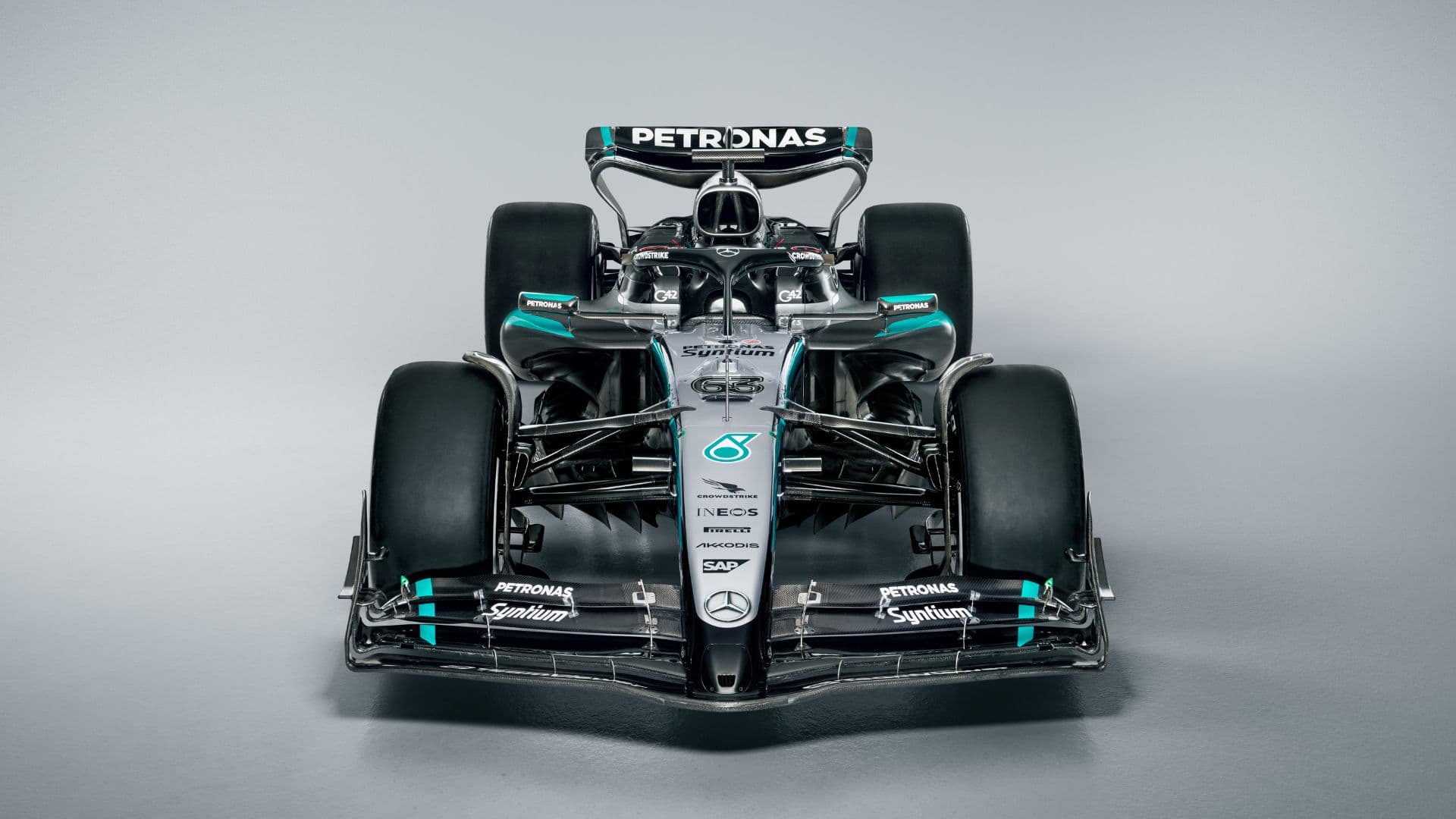
Mercedes-AMG Petronas released images of its 2026 Formula One challenger, the W17, and announced a multi-year sponsorship agreement with Microsoft as the team sets its sights on a return to the top of the championship. The visual preview shows a mostly silver-and-black livery with turquoise accents that retain the visual nod to long-standing partner Petronas while prominently displaying Microsoft branding on the airbox and front wing endplates; the logo appears in black-and-white in the images shared publicly.
The commercial move is notable for scale as well as symbolism. Mercedes declined to disclose deal terms, but an unnamed sponsorship expert suggested the partnership could be worth around $60 million per season. Microsoft’s switch from another F1 partner to Mercedes reflects deeper tech-sector interest in the sport and underscores Formula One’s accelerating value as a global marketing platform. Microsoft previously held smaller partnerships with teams such as Lotus and Manor, and this new alignment places one of the world’s leading software firms on the roof of a team with a history of dominance.
On the technical front, the W17 adheres to the 2026 regulations that reshape chassis and power-unit integration. New rules introduce active aerodynamic elements and a near 50:50 split between combustion and electric energy in race power delivery, creating a hybrid performance architecture that rewards software, energy management and system integration as much as pure mechanical grip. Media and paddock commentary are already trading ideas that Mercedes may have found a regulatory edge in the power-unit rules, a suggestion that has not been confirmed by the team. If true, any early advantage would again demonstrate how rule interpretation and engineering ingenuity can reorder the competitive landscape.
Testing and the race calendar now define the proof stage. Mercedes will host an online launch event on Feb. 2 and begins on-track testing in Barcelona next week, followed by two pre-season tests in Bahrain ahead of the season opener in Australia on March 8. The timing compresses development cycles and raises the stakes for software and simulation validation, areas where a Microsoft partnership could deliver measurable performance returns beyond traditional sponsorship exposure.

The team also announced a development role for 22-year-old French driver Doriane Pin, the 2025 F1 Academy champion. Her responsibilities will include simulator duties, additional factory work and attendance at select grands prix. Reflecting the clear pipeline from women’s series to the Formula One environment, Pin said, “My dream is Formula 1.”
On-track recent form gives context to Mercedes’ urgency: the team finished runner-up to McLaren last season, with George Russell securing two wins and Italian rookie Kimi Antonelli taking three podiums and registering the youngest fastest lap. Mercedes remains not only a works team but a power-unit supplier to customers including McLaren, Williams and Alpine, spreading technology influence across the grid.
Beyond lap times, the Mercedes-Microsoft tie-up highlights Formula One’s expanding role as a stage for tech narratives about electrification, data and global reach. It reinforces an industry trend where deep-pocketed technology firms view the sport as a laboratory for branding, sustainability messaging and software-driven performance. For Mercedes, the season ahead will test whether commercial clout and regulatory interpretation can translate into championship momentum on the track and influence off it.
This article was produced by Prism’s automated news system from verified source data, official records, and press releases, then run through automated quality and moderation checks before publishing. The system is built and supervised by the people who set the standards it runs under. Read our full AI policy.
Did this article answer your question?