Merchant Curated Artisan Housewarming Gifts: Personalized Trays, Ceramics, Kitchen Tools
Choose merchant‑curated, artist‑made pieces—personalized trays, ceramic catchalls, and specialty kitchen tools—to give a housewarming present that reads small‑batch, practical, and intentionally beautiful.
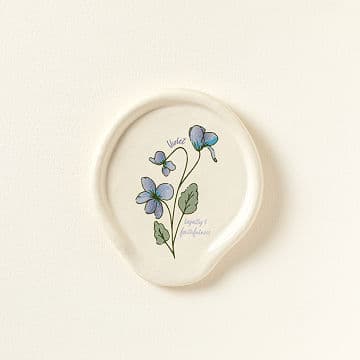
Personalized trays For the friend who just unlocked a new front door, the simplest problem is everyday surfaces: keys, mail, and a phone landing on any flat spot like a distracted parade. A merchant‑curated personalized tray solves that at once by combining function with artist provenance—think a tray selected from a roster of local makers and finished with initials, a monogram, or a hand‑painted motif. These trays are not mass‑market blanks; they arrive from small studios where makers sign or stamp their work, so the recipient sees the hand behind the utility.
What to look for when you buy: materials that wear well with use, visible maker marks, and personalization options that are applied by the artisan rather than laser‑printed in a factory. Presentation matters as much as the object: merchant curation typically packages artist‑made trays with care notes about care and origin, which amplifies the small‑batch feeling. A thoughtfully chosen tray can feel like a luxury precisely because it’s useful every day—a $50 artisan catchall can read richer than a generic $500 pendant if the giver has matched scale, pattern, and personalization to the recipient’s life.
Ceramic catchalls and tableware Ceramic catchalls are where clay does the heavy lifting of gift giving: they make the entryway orderly, the nightstand elegant, and the kitchen counter unexpectedly poetic. Merchant‑curated collections tend to include hand‑thrown bowls and shallow dishes from independent potters, each glaze variation and kiln mark a natural fingerprint. Those irregularities are the selling point: they show the item was tempered in a particular studio kiln and finished by a single pair of hands, which reads as a thoughtful, local choice for housewarmings.
Practical considerations separate a good ceramic gift from one that ends up in a closet. Opt for lead‑free, food‑safe glazes for bowls that might double as snackware; choose slightly larger proportions for entryway use so keys and a wallet don’t spill over; and favor matting or felt feet so the piece won’t scuff new surfaces. Pair a ceramic catchall with a small care card from the merchant about glaze firing, recommended uses, and how to clean it—the merchant‑curated detail turns a useful object into a story about a maker’s hand and process.
Specialty kitchen tools The kitchen is the room that rewards permanence: a single elevated tool used daily becomes an heirloom of habit. Merchant‑curated specialty kitchen tools—artisan spatulas, hand‑tuned peelers, small‑batch spice grinders or salt cellars—bridge the gap between utilitarian and beautiful. These pieces are chosen by merchants who prioritize maker provenance and durability; they’re not throwaway gadgets but instruments designed to age attractively with use.
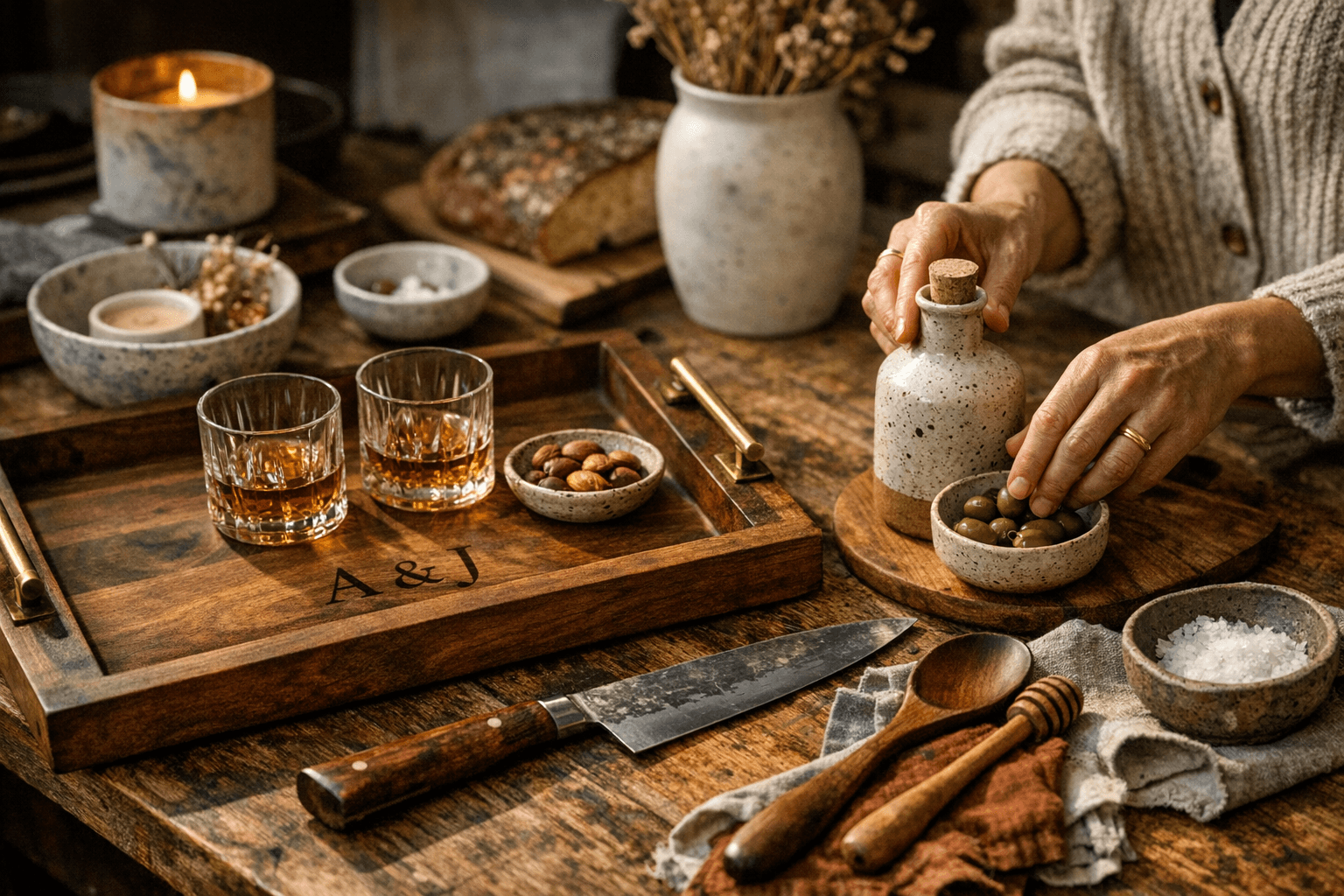
When selecting specialty tools, match the tool to the recipient’s routine. A home cook who bakes will value a balanced rolling implement or engraved pastry board; someone who entertains more often benefits from a hand‑forged cheese knife set or a brass spoon with patina potential. Consider the tools’ maintenance: many artisan metal or wooden tools require simple rituals—oiling a handle, hand‑washing only—that merchants usually note on the product card, which in turn helps the giftee care for the work. A single, well‑made kitchen tool gives daily returns and announces that this housewarming present was chosen, not checked off.
- Presentation tips that turn a curated item into a moment:
- Include the merchant’s maker note or a short line about the artisan to underline provenance.
- Wrap the piece in neutral paper and tie it with twine or a silk ribbon—small materials signal care.
- Add a practical pairing (a linen for ceramics, a small tub of finishing oil for wood tools) so the gift is immediately useful.
Gifts from a merchant who curates artisan work answer the core housewarming question—how do I give something both beautiful and usable?—by doing the sourcing work for you: they vet makers, confirm food‑safe finishes, and package objects with the story and care instructions that make small‑batch items meaningful. In the end, what reads like luxury at a housewarming isn’t rarity alone; it’s the fit between object and daily life, the maker’s visible hand, and the presentation that places the piece where it will be used and admired for years.
Know something we missed? Have a correction or additional information?
Submit a Tip
%3Amax_bytes(150000)%3Astrip_icc()%2Fsea-cookie-press-winner-fantes-meghan-splawn-11-5e93627f057745f3ba62a9091743aff6.jpeg&w=1920&q=75)