Merz races to seal economic reform deal for Germany within weeks
Merz is trying to lock in economic reforms before parliament’s summer recess, as Germany’s economy has shrunk for two straight years and business demands a clear timetable.
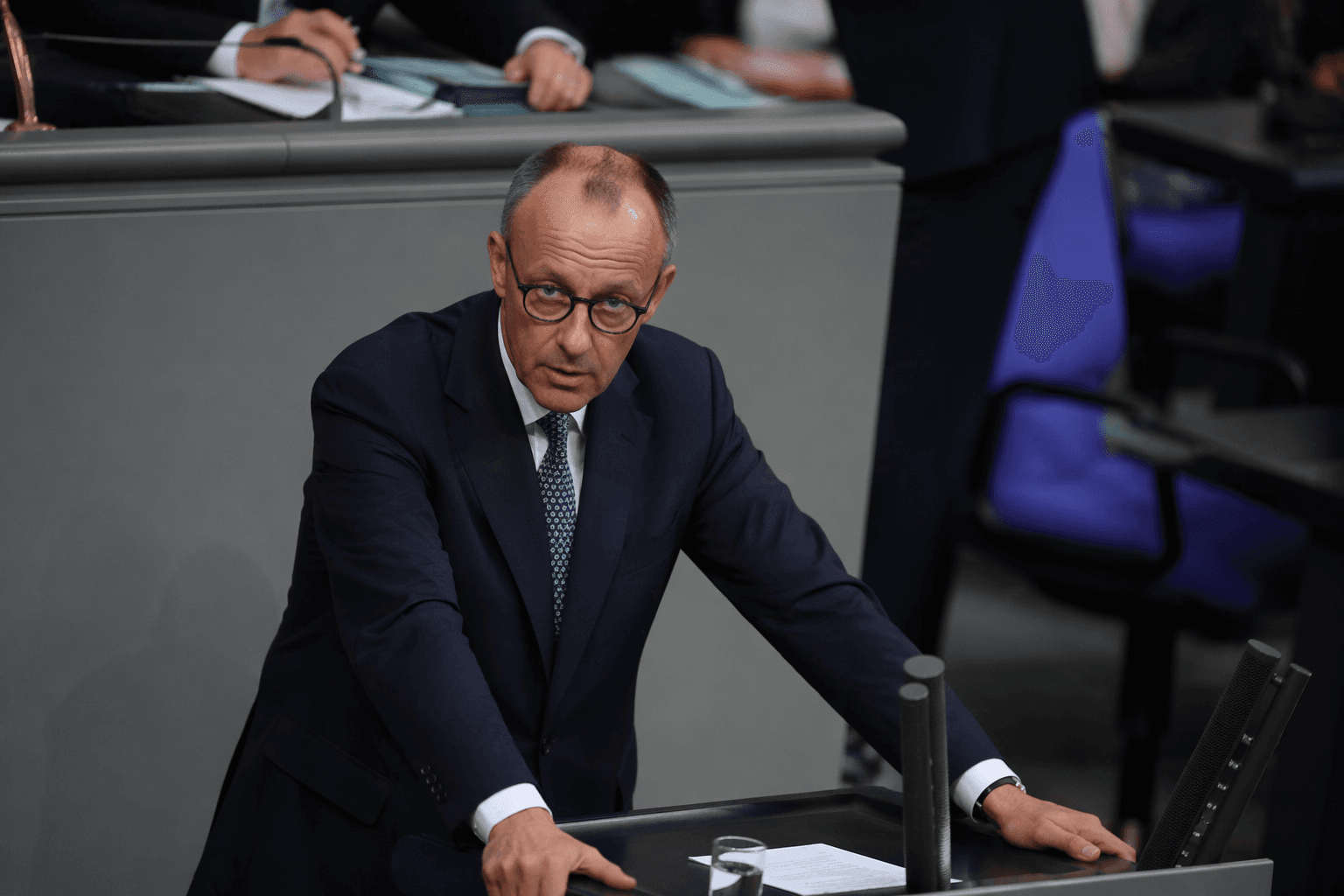
Friedrich Merz is trying to turn economic promises into a deal within weeks, pressing his coalition to settle the main pieces of a reform package before parliament goes into recess next month. The urgency is not cosmetic. Germany’s largest economy has been stuck in a prolonged lull, and Merz now faces an early test of whether his government can deliver faster than the political system usually allows.
Coalition leaders met business and trade union representatives at the German Chancellery on Wednesday, June 10, 2026, in a sign that the government is still trying to balance employer demands, labor concerns and pressure inside the CDU/CSU-SPD coalition. The talks were meant to build enough common ground on the outline of reform to avoid a long summer fight over direction, timing and financing.

The economic backdrop is bleak enough to sharpen the stakes. Destatis said Germany’s gross domestic product fell 0.3% in 2023 and then dropped another 0.2% in 2024, marking a second consecutive annual contraction. The statistics office pointed to high energy costs, higher interest rates, weak domestic and foreign demand, and competition on export markets. Manufacturing was hit especially hard in 2024, when gross value added in the sector fell 3.0%, with machinery, equipment and the automotive industry all losing ground.
That weakness is why business groups are pushing for more than broad promises. In a joint statement after the Chancellery meeting, the BDA, BDI, DIHK and ZDH called for clarity on the timeline for upcoming reform projects and said the focus must be on growth and competitiveness. The associations said they were ready to help assemble compromises in an overall package aimed at stronger growth and more jobs. BDI president Peter Leibinger said the reforms must improve Germany’s competitiveness.
The political challenge is just as important as the economic one. Bloomberg reported that the coalition is working toward reform of health, tax and pension systems in the coming weeks, while the broader debate in Berlin has also reflected resistance to relying on more EU-level debt as the main answer to Germany’s slowdown. That leaves Merz trying to assemble measures that are large enough to matter, fast enough to announce before the summer recess and acceptable enough to survive coalition bargaining.
For Merz, the credibility test is immediate: whether his government can move from abstract talk of competitiveness to a package with enough detail to satisfy business, labor and coalition partners at the same time. After two straight years of contraction, Germany will judge the reform drive not by its rhetoric, but by how much it changes the country’s growth outlook before the summer pause.
This article was produced by Prism’s automated news system from verified source data, official records, and press releases, then run through automated quality and moderation checks before publishing. The system is built and supervised by the people who set the standards it runs under. Read our full AI policy.
Did this article answer your question?