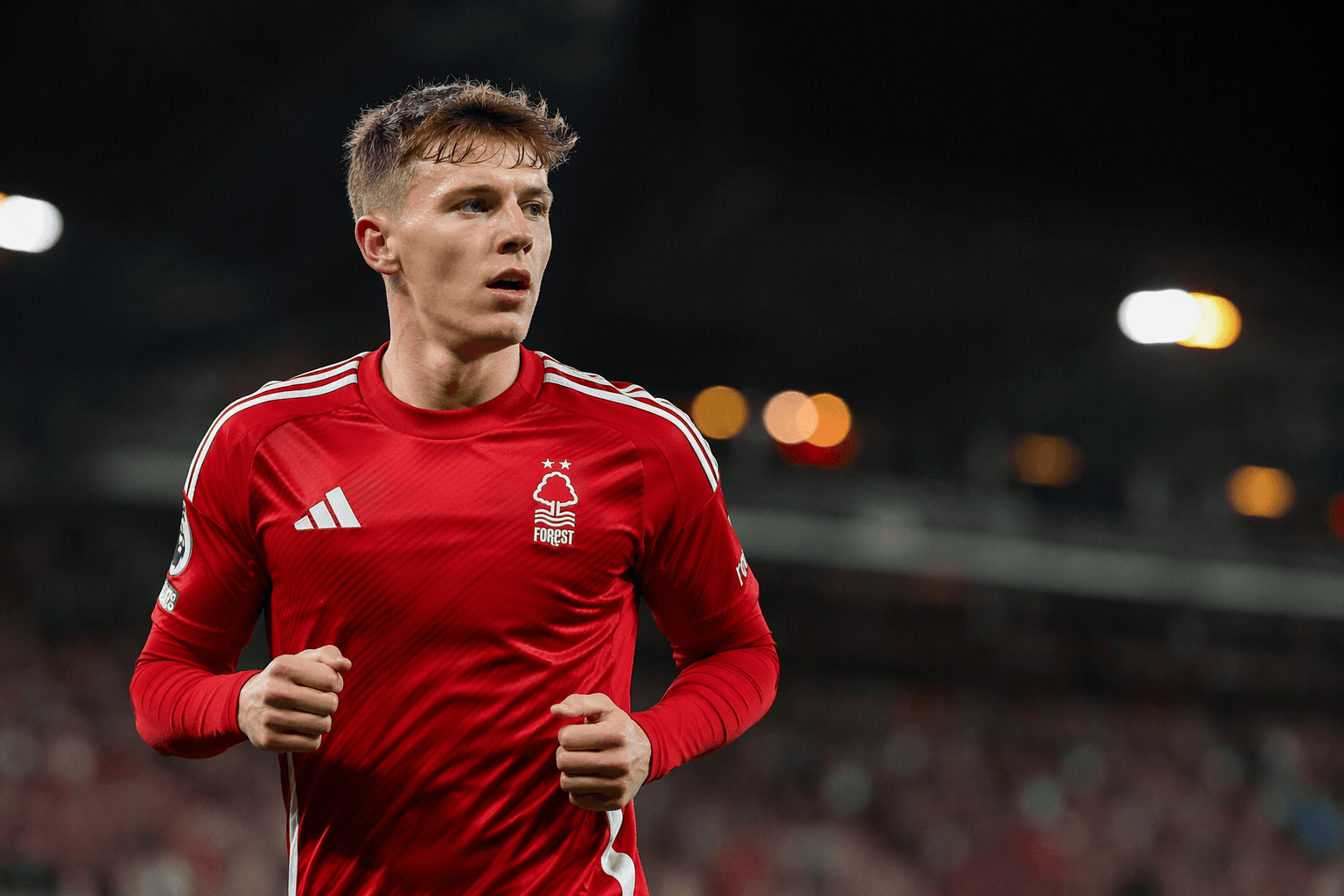
Messi becomes owner of Catalan club UE Cornellà, boosting youth development
Lionel Messi has moved from icon to owner at a fifth-tier Catalan club, turning UE Cornellà into a test case in youth development and football finance.
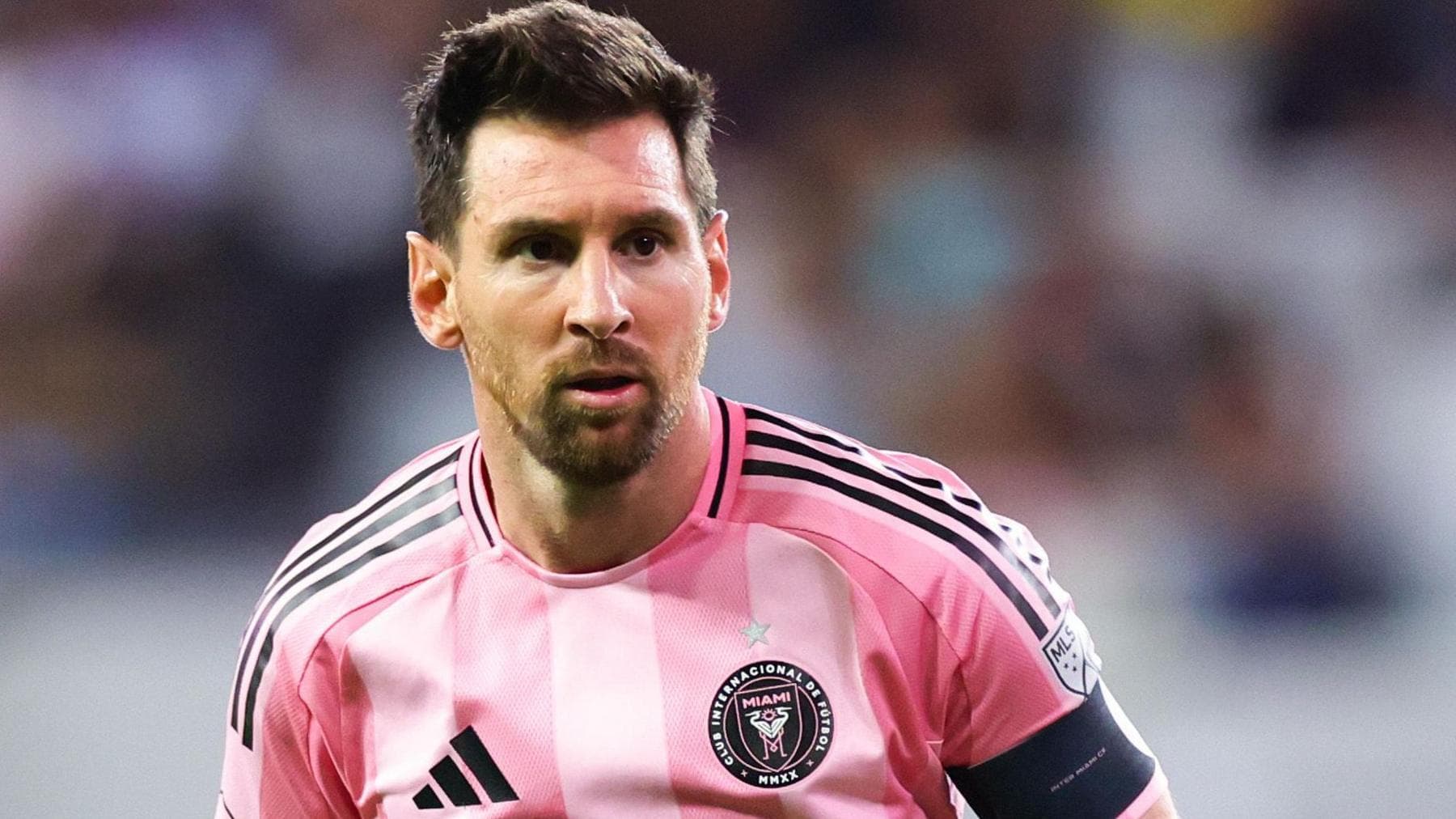
Lionel Messi has taken control of UE Cornellà, a modest Catalan club with outsized value in the football economy of development, identity and access. The club announced on April 16, 2026 that the Argentina World Cup winner and eight-time Ballon d’Or recipient had formalized the acquisition, with reports saying he bought 100% of the Baix Llobregat side.
Founded in 1951, UE Cornellà competes in the Tercera RFEF, the fifth tier of Spanish football, and was described as sitting third in its group and five points behind automatic promotion to Segunda Federación. For a club at that level, ownership is not mainly about television rights or transfer headlines. It is about credibility in the youth market, institutional stability and the ability to turn a local academy into a wider football asset. The club framed the deal as a long-term project centered on sporting and institutional growth, stronger foundations, sustainability and a sharper local identity.
That emphasis fits Cornellà’s history. The club has built a reputation in Catalan and Spanish semi-professional football for producing players who later reached elite levels, including Spain and Arsenal goalkeeper David Raya, Messi’s former Barcelona and Inter Miami teammate Jordi Alba, Barcelona defender Gerard Martín, Espanyol captain Javi Puado, Senegal international Keita Baldé, Real Betis captain Aitor Ruibal and MLS veteran Ilie Sánchez. In that sense, Messi is not buying a trophy asset. He is buying a development platform in a region where Barcelona-area football still carries immense symbolic and practical value.
The club also tied the move to Messi’s broader youth-oriented projects, including the Messi Cup, whose first edition took place in Miami in December 2025 with eight under-16 teams: Newell’s Old Boys, Inter Milan, River Plate, Inter Miami, Atlético de Madrid, Chelsea, Manchester City and Barcelona. That tournament and this purchase point in the same direction: a network built around youth talent, international visibility and the conversion of football heritage into long-term infrastructure.
UE Cornellà’s stadium is reported to be about five miles from Camp Nou, a small distance that gives the deal a larger meaning in Catalan football politics. Messi’s name remains inseparable from Barcelona, and the club said the purchase reinforced his ties to the city and to local talent in Catalonia. He continues to play for Inter Miami and is expected to remain a central figure with Argentina at the 2026 World Cup, but this ownership stake shows how active stars are increasingly turning lower-tier clubs into brand extensions, scouting channels and institutional footholds.
Messi’s move also lands in the middle of a broader ownership shift. In February 2026, Cristiano Ronaldo bought a 25% stake in Spanish second-division club UD Almería through CR7 Sports Investments, as part of an international expansion led by president Mohamed Al Kereiji and SMC Group. Together, the deals show how elite players are moving beyond endorsement into direct control, and how even small clubs are becoming strategic assets in a more financialized game.
This article was produced by Prism’s automated news system from verified source data, official records, and press releases, then run through automated quality and moderation checks before publishing. The system is built and supervised by the people who set the standards it runs under. Read our full AI policy.
Did this article answer your question?
.jpg&w=1920&q=75)