Met Office warns of 40C heat as lightning storms hit southern England
Thirty-nine-degree heat and 29,000 lightning strikes underscored a volatile UK week, as the south baked while storms broke out across southern England.
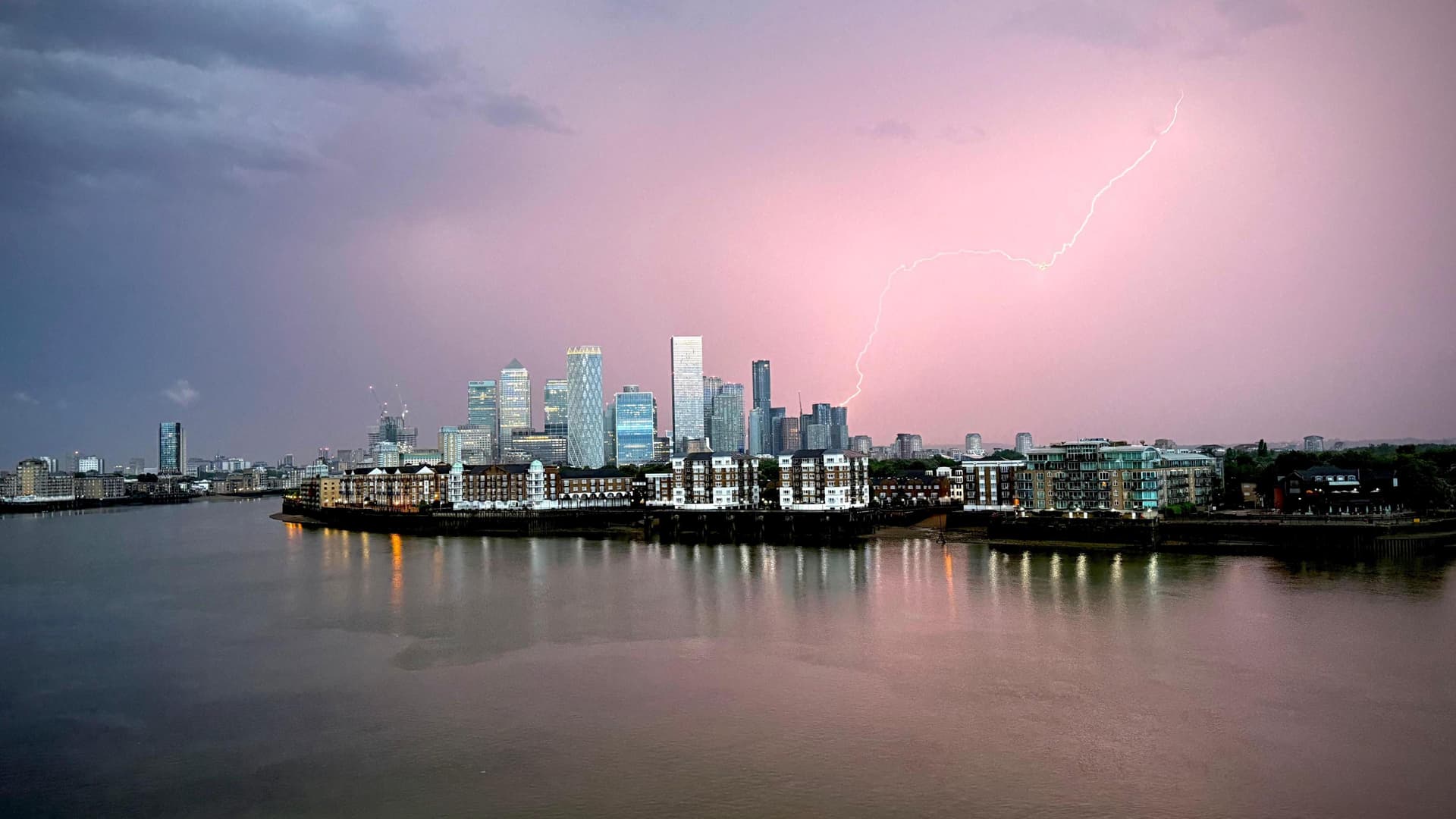
Extreme heat was colliding with fast-moving storms across southern England, where Met Office data suggested about 29,000 lightning strikes fell in a 24-hour period even as temperatures were set to surge toward 40C later in the week. The split in the weather was stark: warm, humid air was building across the south and east while more unsettled conditions held elsewhere, a pattern that turned heat into a flashpoint for sudden, dangerous change.
The Met Office said temperatures were forecast to climb into the mid-30s Celsius on Monday and Tuesday before peaking on Wednesday and Thursday, when a Red Extreme Heat Warning covered parts of central and southern England and Wales. Forecasters said the hottest spots could reach at least 39C, with a chance of 40C in some places, and that widespread Tropical Nights were likely, meaning temperatures would not fall below 20C overnight. June’s all-time daily temperature record was also expected to be broken, with the current record standing at 35.6C, recorded in Southampton in 1976 and Camden Square in June 1957.
The warning levels widened as the heat intensified. An Amber extreme heat warning first covered much of southern England and southeastern Wales, then expanded to include eastern Wales and much of the Midlands. The Met Office said the conditions could affect people and infrastructure, with risks to transport, power, water safety and other essential services. Road and rail disruption, delays and cancellations, and possible power losses were all highlighted, alongside heightened danger around coastal areas, lakes and rivers.
Greg Wolverson, the Met Office deputy chief forecaster, said the warmth would intensify at the start of the week and that humidity would make conditions feel warmer and more uncomfortable. That combination is what made the week especially volatile: not just a heatwave, but a rapid shift toward storm-prone, moisture-laden air that can fuel lightning and make already dangerous temperatures harder to bear. For public health planners, transport operators and emergency services, the message was clear. Heat like this does not arrive alone; it can arrive with storms, disruption and a sharp rise in risk.
This article was produced by Prism’s automated news system from verified source data, official records, and press releases, then run through automated quality and moderation checks before publishing. The system is built and supervised by the people who set the standards it runs under. Read our full AI policy.
Did this article answer your question?