Met Office warns UK faces hotter summer and more heatwaves
The Met Office says July and August are tipped to run hotter than average, with 38C possible and heat-health alerts already in play.
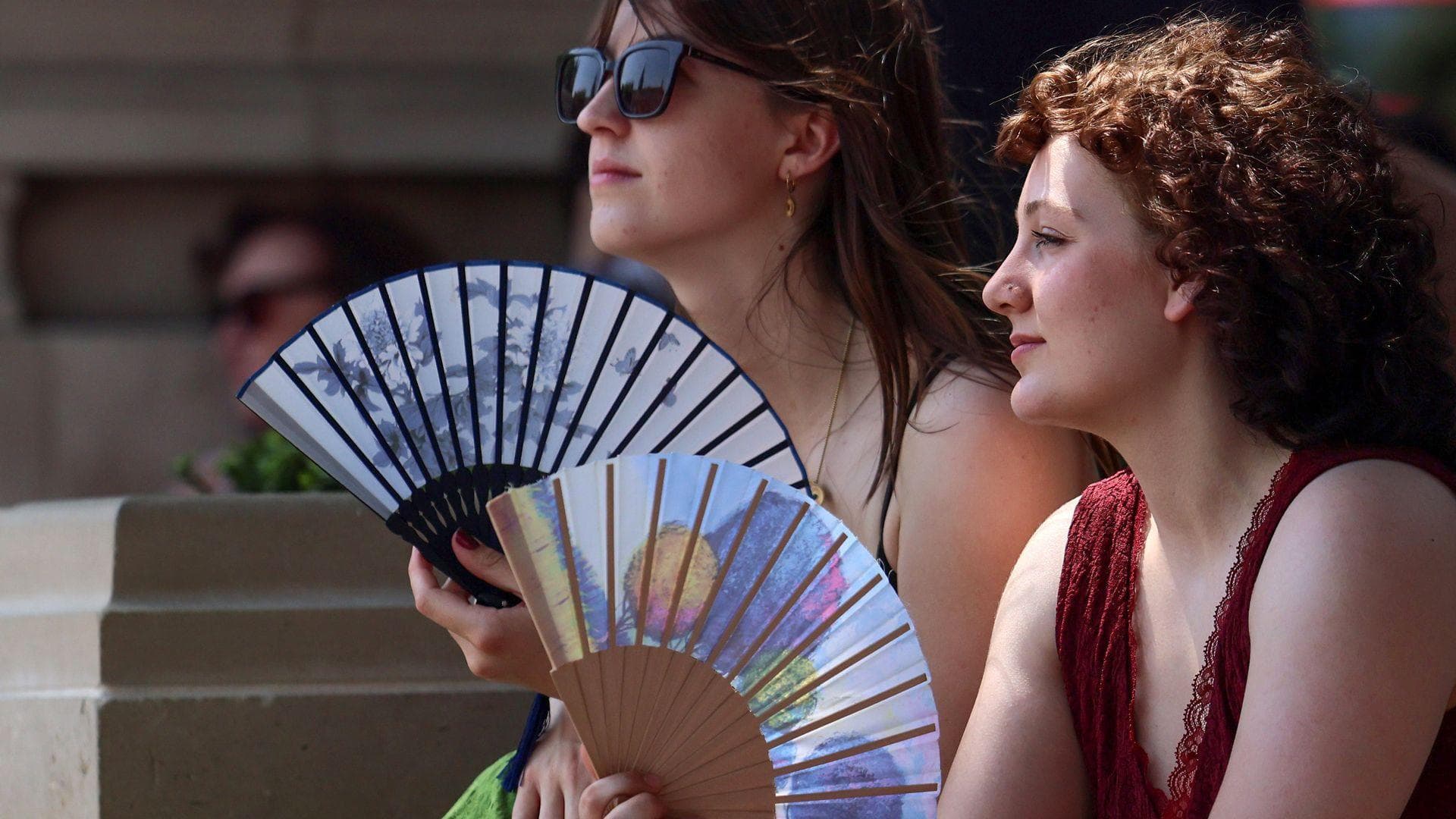
The Met Office’s summer outlook, issued on 1 June 2026, gives the UK a higher-than-normal chance of a hot summer and a greater risk of heatwaves across June, July and August. July and August are expected to run above average, and the warning is less about one warm spell than about back-to-back extremes that leave little time for public health services, schools, workers, transport and the power system to recover.
The forecast does not point to a simple dry scorch. The Met Office says rainfall is less certain and may be near average or slightly wetter overall, while the temperature signal leans warmer than cooler. Simon King, a Met Office meteorologist, has framed the summer as warmer than average with an increased chance of heatwaves, and the outlook says much of the UK is likely to sit close to average conditions overall even as hotter days become more likely.
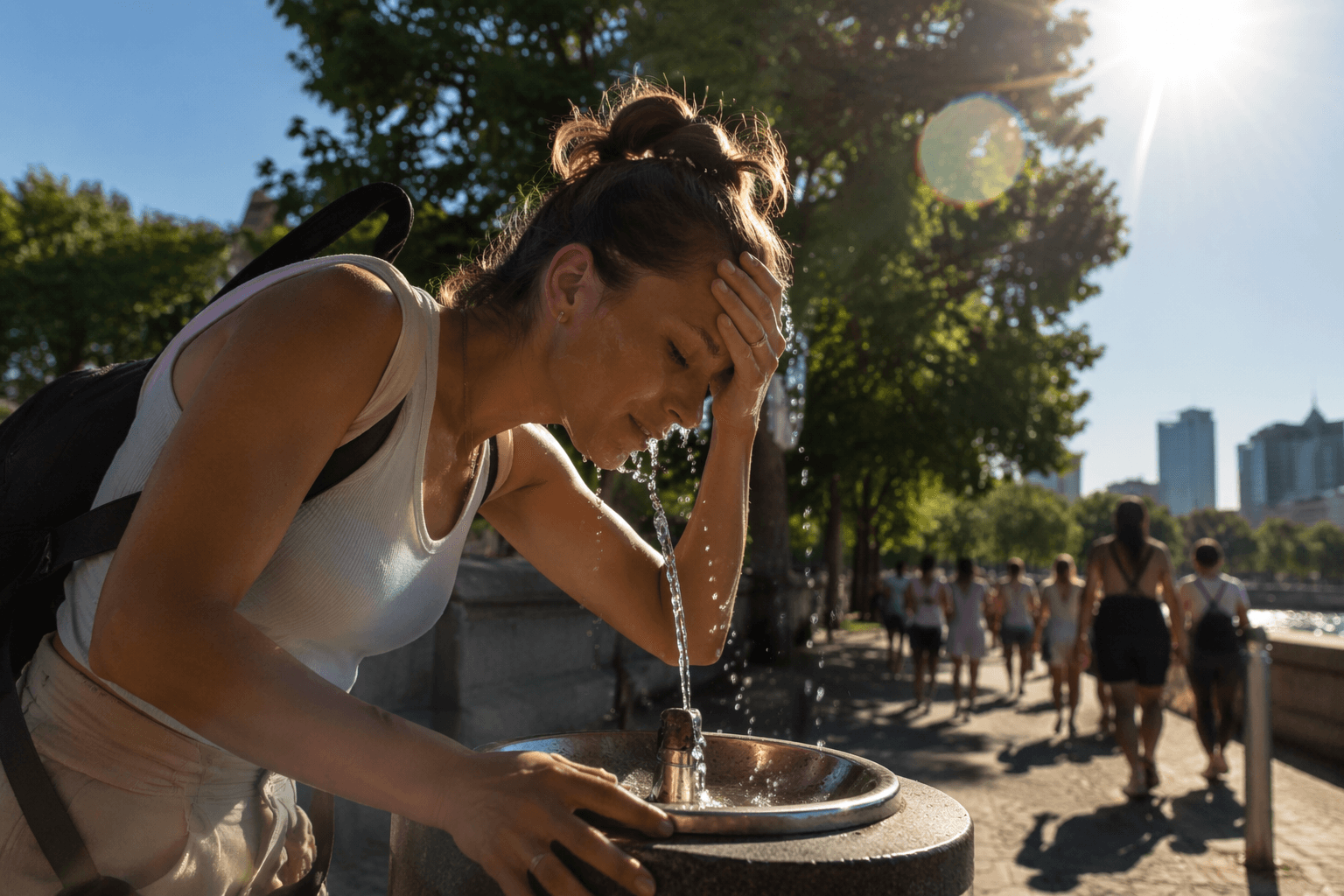
That is the broader shift behind the headline. The Met Office says hotter summers are now about twice as likely as they were in the 1991 to 2020 climate baseline, and separate analysis says climate change is increasing the frequency of temperature extremes in the UK. Conditions similar to the hot summer of 1976, when there were more than a fortnight of days above 28C, could last for a month or more in today’s climate.
Health warnings are already built into the calendar. The UK Health Security Agency runs the Heat-health Alert Service with the Met Office from 1 June to 30 September, using it to warn health and social care services, the voluntary sector and government departments when high temperatures could affect public health. The current spell of heat has already brought amber extreme heat warnings.
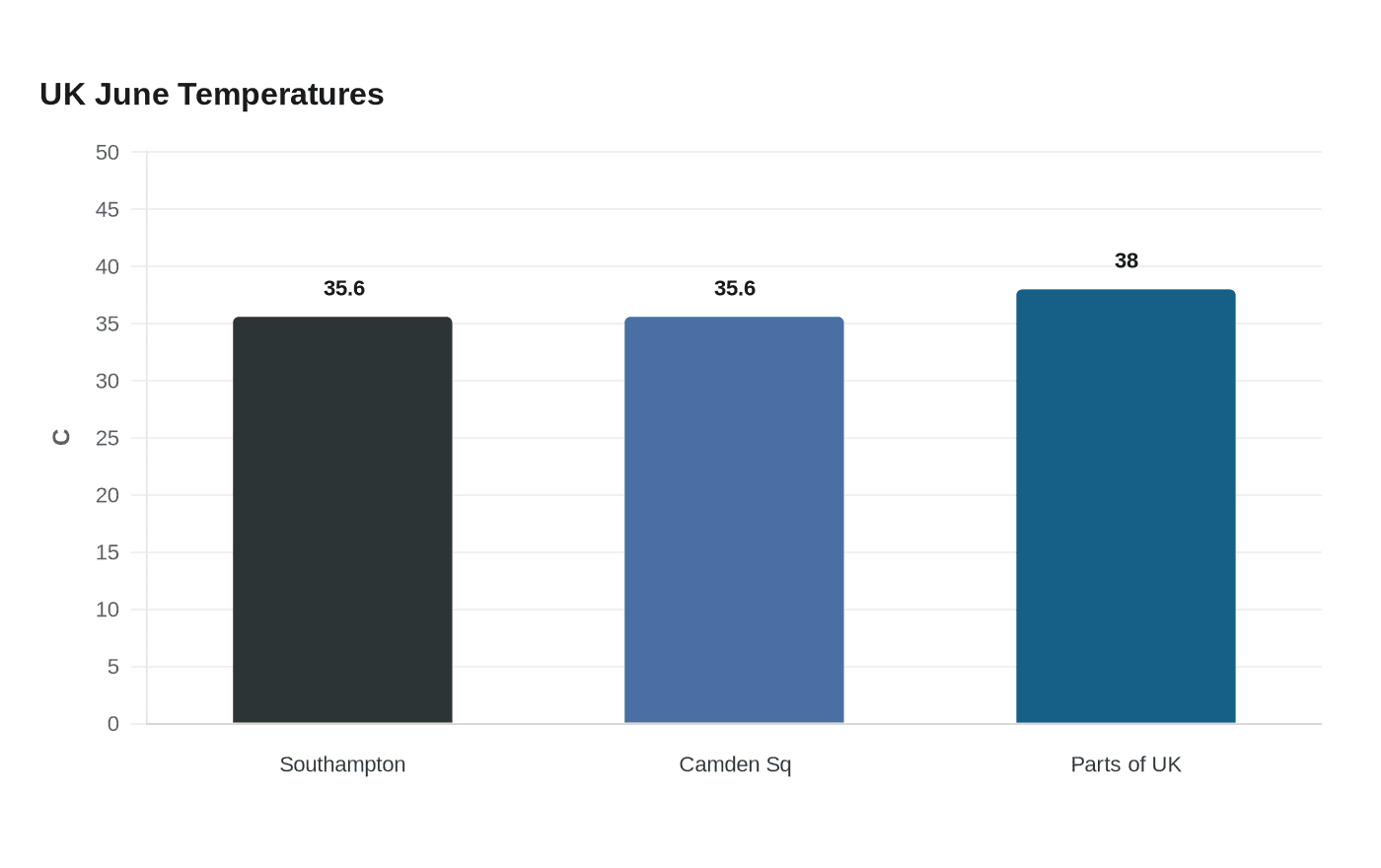
The Met Office has also said the UK’s June temperature record of 35.6C, set in Southampton in June 1976 and matched at Camden Square in June 1957, could be challenged as temperatures near 38C in parts of the country. That makes the distinction between a hotter-than-average season and repeated heatwaves critical: one tests comfort, but repeated extremes test preparedness.
This article was produced by Prism’s automated news system from verified source data, official records, and press releases, then run through automated quality and moderation checks before publishing. The system is built and supervised by the people who set the standards it runs under. Read our full AI policy.
Know something we missed? Have a correction or additional information?
Submit a Tip