Met to release bodycam footage earlier to boost trust and transparency
The Met moved to release bodycam footage sooner, but the shift deepens a fight over who controls the story when police use force.
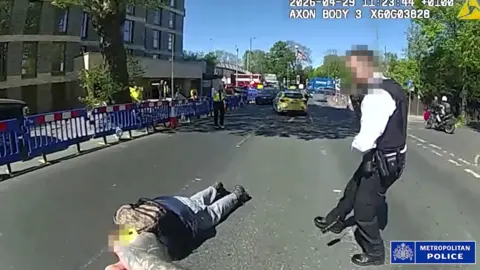
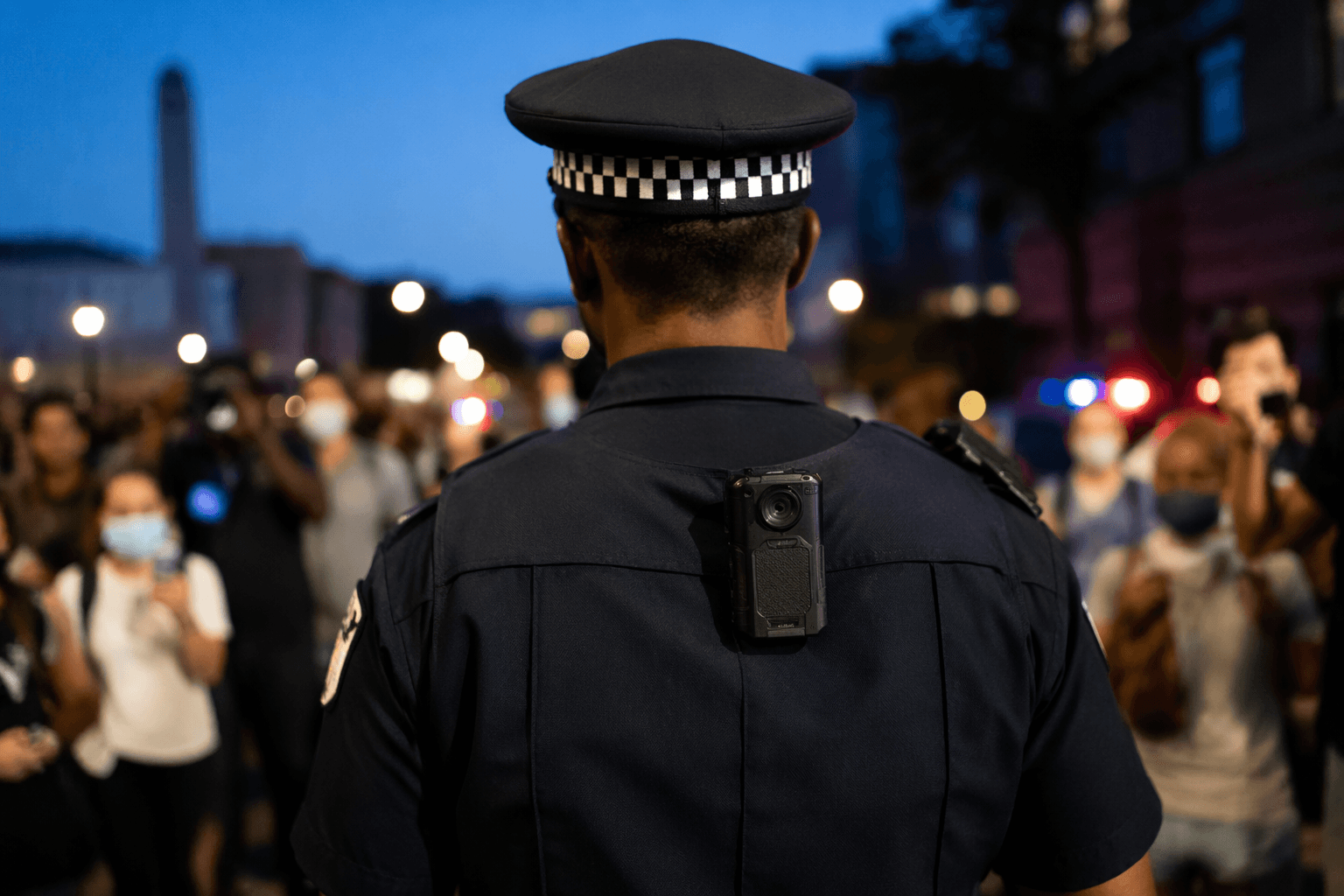
The Metropolitan Police has begun loosening its rules on body-worn video, saying it will release footage earlier when it can improve transparency and trust in policing. The change sharpens a long-running dispute over whether bodycam clips help the public understand police work, or whether they simply let the force shape the narrative around contentious incidents.
Under the revised policy published on May 25, 2026, footage may be made public before criminal proceedings finish, rather than waiting until cases end. The Met said the old approach often meant delays of years because court backlogs dragged cases out, leaving the public to rely on clips posted online by others, often showing only fragments of an encounter.
The force pointed to recent examples to justify the shift. In the Golders Green knife attack, it released bodycam footage within hours after an online narrative began criticising the officers involved. In another public order operation last Saturday, the footage showed the abuse officers faced from protesters and the difficulty of making arrests in dense crowds. The Met said the new approach includes safeguards to protect future court cases, and that body-worn video must still be proportionate, necessary and tied to the incident in question.
Commander Neerav Patel said the public sees only a fraction of what officers do, from taking weapons off the streets to pursuing suspects and policing major disorder. He also said the Met must be ready to publish footage when it has got things wrong, a line that suggests the policy is meant to serve accountability as much as self-defence.
That balance has long been contested. A 2020 London Assembly question cited a leaked report warning that routine release of body-worn video could worsen “trial by social media.” The Mayor’s office later said in 2021 that putting such footage into the public domain would be unlawful and could breach data protection law. The new policy applies to all officers, staff, volunteers and contractors using BWV, and follows a broader rollout that began in 2014, when the Met started issuing body-worn cameras to officers.
The Met is also leaning on polling to make the case. It said 60 per cent of Londoners trusted the force more after seeing footage of criminals being caught, while 81 per cent said they believed the Met was doing a good or fair job. Those numbers suggest public appetite for more visual evidence, but they do not settle the larger question: whether faster release will produce fuller accountability, or simply faster framing in the next high-stakes police confrontation.
This article was produced by Prism’s automated news system from verified source data, official records, and press releases, then run through automated quality and moderation checks before publishing. The system is built and supervised by the people who set the standards it runs under. Read our full AI policy.
Did this article answer your question?