Meta-analysis Finds Ice Baths Reduce Stress, Aid Recovery, With Caveats
Learn what a new meta-analysis found about ice baths: they cut short-term stress, help athletic recovery and sleep in some studies, but results come with clear caveats.
1. Big-picture findings from the meta-analysis
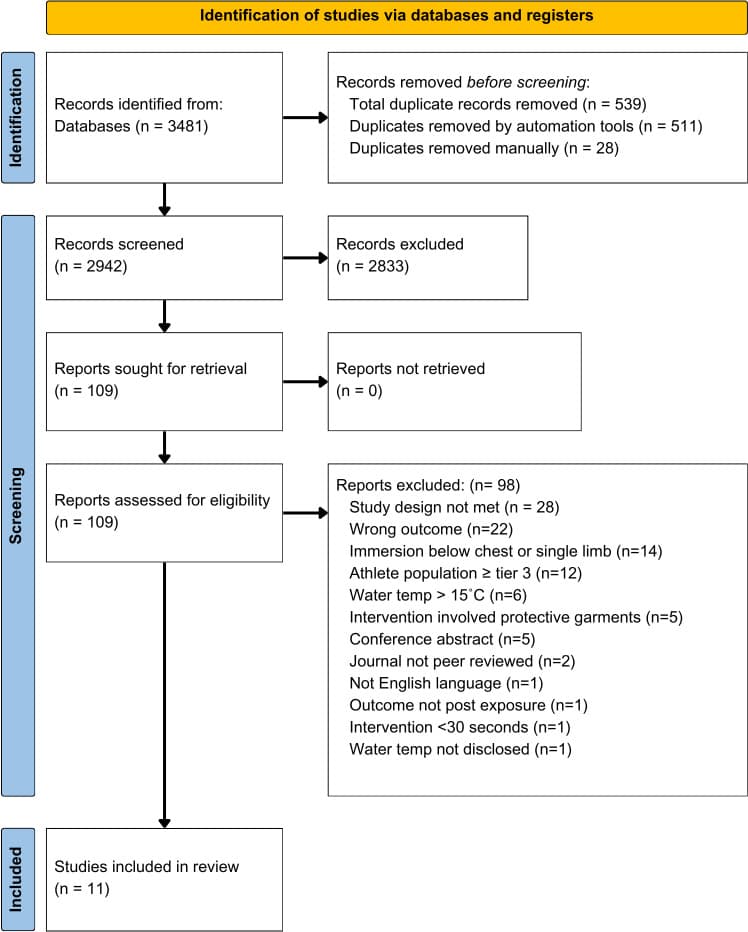
The systematic review pooled 11 studies with 3,177 healthy adults and found consistent but modest benefits from cold-water immersion (CWI). Key takeaways: stress reductions that last up to about 12 hours, some sleep improvements in the included studies (which skewed male), reduced delayed-onset muscle soreness (DOMS) and short-term recovery gains in athletic contexts, and a short-term inflammatory spike after exposure that looks like a hormetic response.
2. Stress reduction: what to expect and when
The strongest, clearest finding was a time-dependent reduction in stress that peaked in the hours after immersion and extended up to roughly 12 hours. That means an ice bath can be a practical, temporary tool when you need to lower acute stress—for example, after a hard training session or a stressful workday—but it’s not presented as a long-term cure in the research. Plan around the 12-hour window: use ice baths for acute recovery or a midday reset rather than as a nightly habit aimed at chronic stress.
3. Sleep quality: promising signals with big caveats
Some included studies reported improvements in sleep quality, but participant pools were mostly male and study designs varied. Treat this as a promising signal rather than a guarantee—sleep benefits appeared in specific contexts and cohorts, so your mileage may vary. If you try cold immersion to help sleep, test timing (e.g., not immediately before attempting to fall asleep for everyone) and track your own response over several nights.
4. Athletic recovery and DOMS: practical gains
CWI showed reductions in DOMS and provided short-term recovery benefits in athletic contexts, making it a useful tool after intense or repeated workouts. Those benefits are most relevant when you need to speed recovery between sessions (racing, tournaments, double-training days) rather than as a daily routine for long-term adaptation. Use ice baths as a tactical recovery modality: helpful when rapid turnaround matters, less essential for ordinary single-session training.
5. The inflammatory spike and hormesis
Researchers observed a short-term inflammatory spike immediately after cold exposure, which they interpreted as hormesis—a brief stressor prompting adaptive responses. That spike is generally transient and part of the mechanism behind recovery and adaptation, but it also explains why effects are time-dependent and why immediate measurements can look mixed. Expect a short-lived immune/metabolic ripple after a plunge; this is often part of the benefit, not a sign of harm in healthy adults.
6. Limitations to keep in mind
The authors flagged key limitations: protocols varied widely between studies (water temperatures, immersion times, frequency), follow-up windows were often short, and participant samples were male-dominant. Those limits mean you should be cautious about generalizing results: what works in one study’s protocol may not match your setup. Treat the meta-analysis as a balanced synthesis that helps form realistic expectations rather than a turnkey, one-size-fits-all prescription.
7. How to translate findings into practical protocols
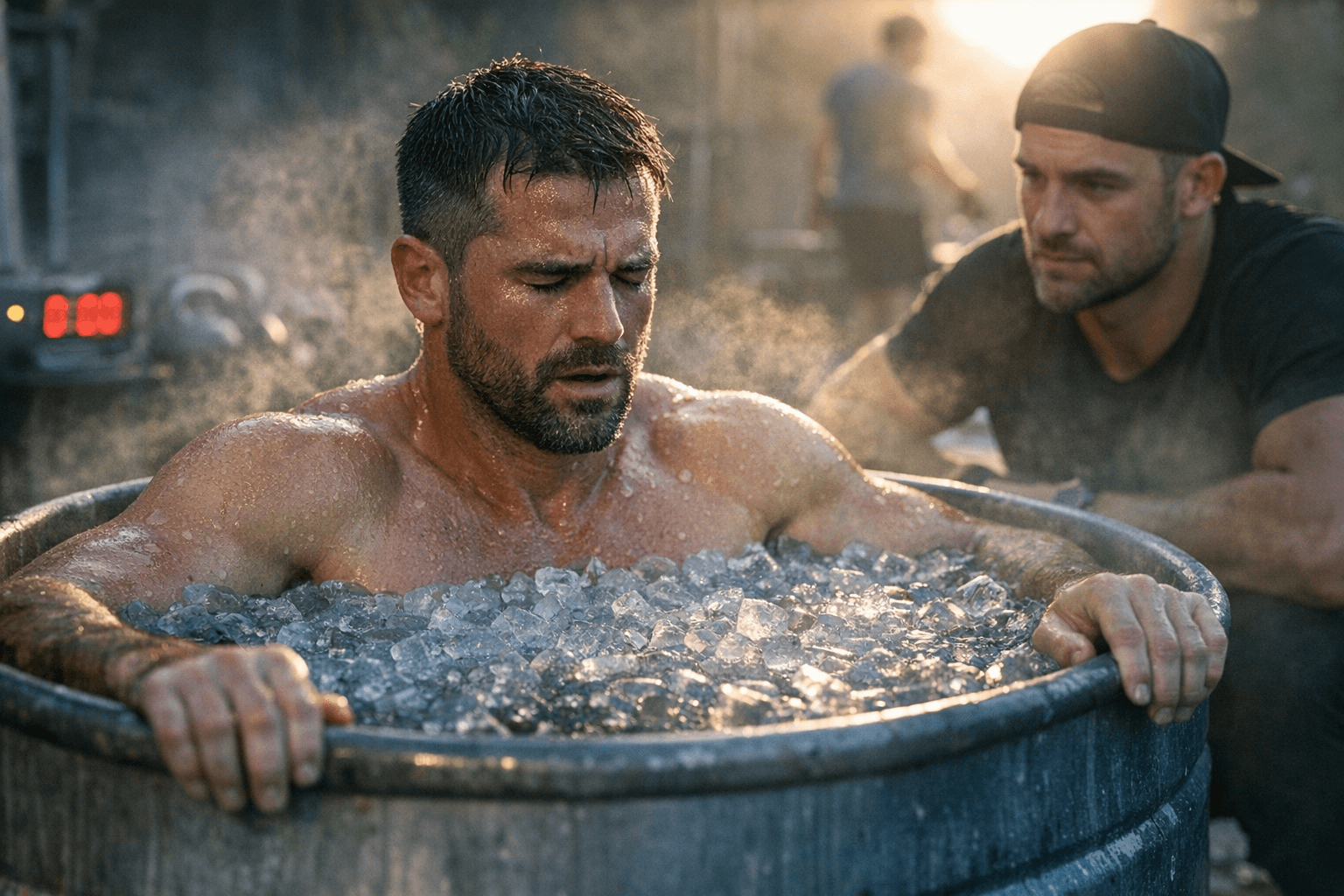
Because protocols were heterogeneous, start simple and personalize: begin with shorter, less intense immersions and tune duration and frequency based on how you feel and the outcomes you want. Prioritize timing for the effect you want—use an ice bath in the hours after a stressful day or a hard workout if you’re chasing the ~12-hour stress reduction and short-term recovery. Keep a small log of timing, duration, and subjective outcomes (stress, soreness, sleep) so you can iterate quickly.
- If you’re dipping at home, community members recommend staging your first sessions with a friend or in a group plunge to normalize discomfort and share safety checks.
- Use simple tracking—note how long you felt recovery or sleep benefits—to compare with the literature’s time-dependent effects.
- For those on a budget, consistent, shorter exposures beat sporadic extremes; accessibility and regularity matter more than chasing a specific protocol.
8. Community tips and accessibility
9. Safety, monitoring, and contraindications
Cold exposure is generally safe for healthy adults in the reviewed studies, but start conservatively and stop if you feel faint, dizzy, or excessively uncomfortable. If you have cardiovascular issues, circulatory disorders, or other medical concerns, consult a clinician before starting cold-water immersion. Use a buddy system for open-water or deep-plunge sessions and keep an eye on core signs like breathing, skin color, and shivering.
10. What this means for hobbyists and community organizers
As a practical community tool, ice baths are valuable for event recovery, group rituals, and tactical stress relief—just keep expectations grounded and document outcomes locally. When organizing dips, emphasize clear goals (short-term recovery, post-race reset, or community wellness), set safety protocols, and track who benefits and how long the effects last so your group can refine the approach.
Closing practical wisdom Treat ice baths like a specialized tool in your recovery kit: effective for short-term stress relief, DOMS reduction, and occasional sleep gains, but not a miracle fix. Start modestly, log your responses, prioritize safety, and use plunges strategically when you need those hours of benefit—your community’s best practices will evolve by sharing what actually works in your neck of the ice.
Sources:
Know something we missed? Have a correction or additional information?
Submit a Tip