Meta seeks legal shield from child-harm lawsuits in Congress
Meta is pressing Congress for immunity from child-harm lawsuits, a move that could blunt families’ leverage and preempt state safety laws.

Meta Platforms is pressing Congress for a legal shield that would blunt child-harm lawsuits tied to Instagram and other youth-facing products, a move that would redraw the boundary between product design and liability. The language under discussion would make online companies immune from suit or liability under state law for claims involving the safety or privacy of users under 18, while also preempting state children’s online safety and privacy laws. If it survives, families suing over alleged harms would lose one of their strongest pressure points, and state officials would lose a major lever over platform behavior.
The fight is centered on the Kids Online Safety Act, which was reintroduced in the 119th Congress as S. 1748 on May 14, 2025 and sent to the Senate Commerce, Science, and Transportation Committee. The Senate passed an earlier version of KOSA in 2024 by a 91-3 vote, but the House never brought it to the floor. Meta’s push would not just defend the company in court; it would try to rewrite the underlying legal terrain so future claims become harder to bring at all.
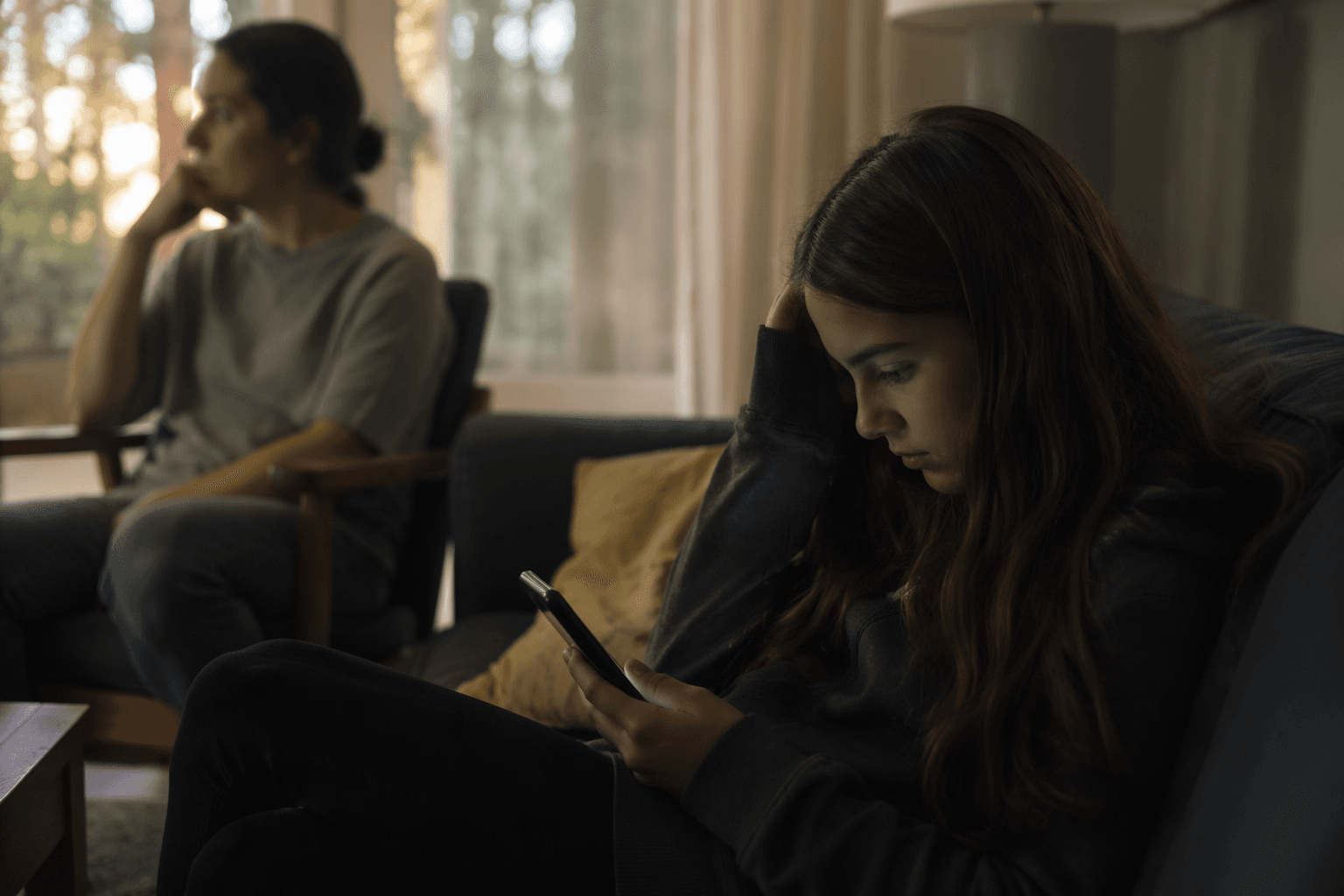
That stakes have only risen as lawmakers face pressure from parents, state attorneys general and safety advocates over addictive design, mental health effects and youth privacy. On February 10, 2026, a bipartisan coalition of 40 state and territorial attorneys general urged Congress to advance the Senate version of KOSA. Their support signaled that enforcement officials in red and blue states alike see the bill as a vehicle for tougher online protections, not just a symbolic gesture.
Meta’s position has also shifted in ways that show how much leverage remains in the final negotiations. On June 16, 2026, POLITICO reported that Meta had dropped opposition to KOSA if it overwrote state AI laws. Fight for the Future said Meta had joined Microsoft, Apple, X, Snap and Pinterest in supporting the bill. And on May 13, 2026, Senate offices said OpenAI had endorsed KOSA, underscoring that the bill remained politically active even as its language became a battleground over who should bear responsibility when platforms harm children.
For Meta, the prize is clear: reduce exposure not only in one courtroom, but across the country. For families and state regulators, the cost would be just as clear: less ability to force companies to answer for the way their products are designed, recommended and monetized.
This article was produced by Prism’s automated news system from verified source data, official records, and press releases, then run through automated quality and moderation checks before publishing. The system is built and supervised by the people who set the standards it runs under. Read our full AI policy.
Did this article answer your question?

