Meta Shutters Twisted Pixel and Sanzaru Amid Reality Labs Shift to Wearables
Meta closed Twisted Pixel and Sanzaru Games as Reality Labs cuts shift investment from metaverse gaming toward wearables, triggering layoffs and uncertainty for VR developers and players.
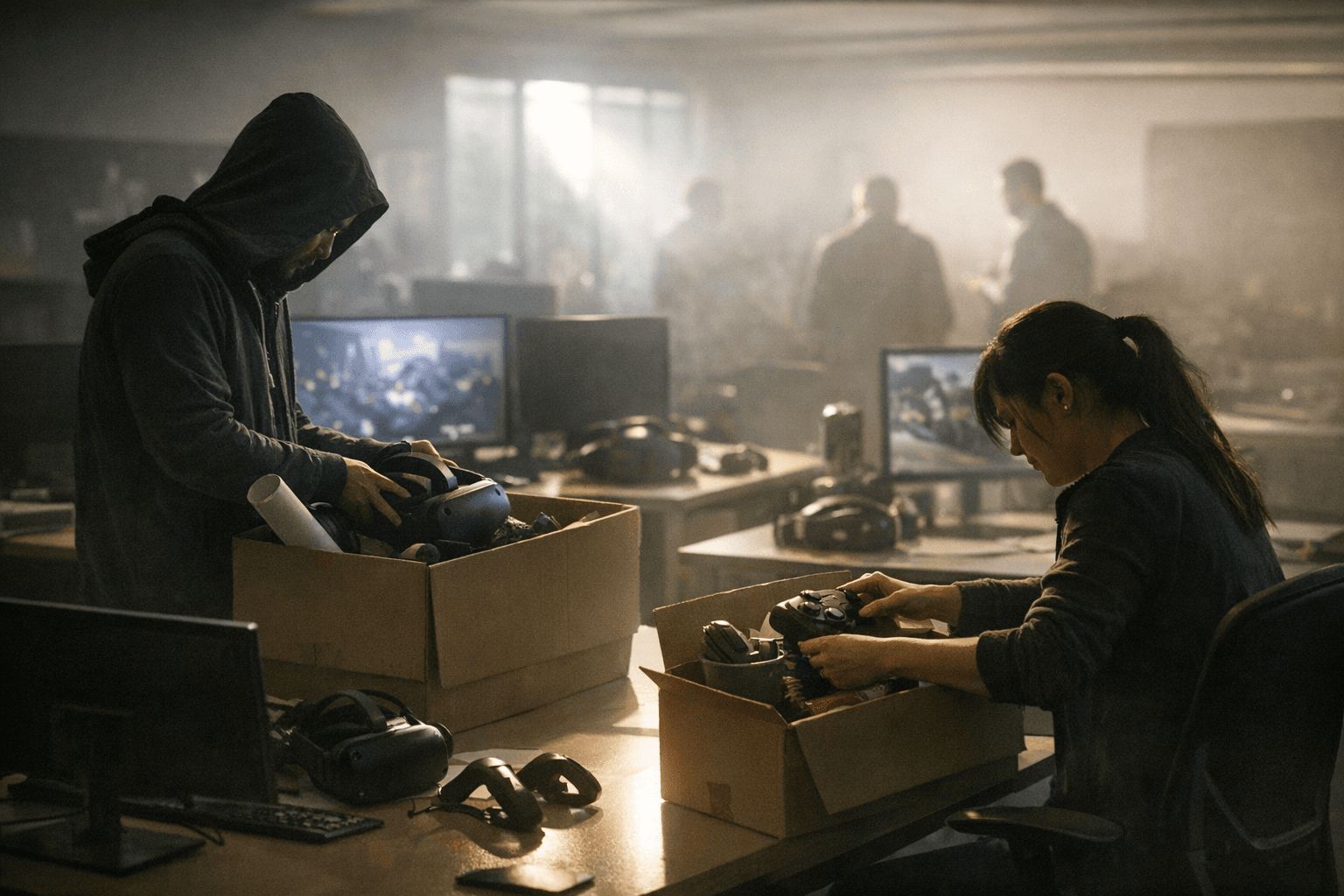
Meta has closed multiple game studios inside its Reality Labs division, with affected developers reporting layoffs beginning January 13, 2026. The moves include the shuttering of Twisted Pixel, known for ’Splosion Man, and Sanzaru Games, developer of Asgard’s Wrath, along with other in-house teams. Developers confirmed the closures and job losses via posts on X and LinkedIn, and employees have begun to share the immediate fallout for projects and teams.
Company statements frame the changes as part of a strategic rebalancing. Reality Labs is shifting capital away from metaverse-focused gaming efforts and toward wearables and other priorities, a pivot that executives say will better align investment with the company’s long-term hardware roadmap. For studio staff and the player communities tied to these teams, the change is abrupt and consequential.
Twisted Pixel and Sanzaru both trace back to 2006. Twisted Pixel joined Meta in 2021 after a long history of console and indie hits, while Sanzaru built a reputation for ports, remasters, and high-profile VR work including Asgard’s Wrath. Their closures remove experienced teams from the VR development ecosystem and leave questions about support and future updates for their existing titles.
Practical impact is immediate for struck workers and their networks. Developers now face job searches in a competitive market, and community-maintained mods, playtests, and multiplayer services may need new custodians. For players, end-of-support windows, server shutdowns, and delayed patches become realistic risks for games created by closed teams. For other studios, the shift signals where large corporate funding is heading and may steer investment priorities across the industry.
Community reaction has been a mix of frustration and solidarity. Developers and players are sharing resources, job leads, and tips for preserving multiplayer communities. Follow and support affected creators on X, LinkedIn, and official game channels to track recovery efforts and rights transitions. Buying and playing indie VR releases and backing smaller teams can also help sustain the platform’s creative backbone.
What comes next is a thinning of big-company VR content producers and a test of the community’s ability to adapt. Expect a short-term slowdown in first-party VR initiatives alongside stronger emphasis on hardware such as glasses and wearable prototypes. For players and developers, the story matters because it reshapes where talent and dollars flow in VR and signals the likely direction of future releases. Stay connected to developers and watch how rights, updates, and community care of affected games evolve in the weeks ahead.
Sources:
Know something we missed? Have a correction or additional information?
Submit a Tip