Meta taps Broadcom for AI accelerator chips through 2029
Meta and Broadcom extended their AI chip pact through 2029, starting with more than 1 gigawatt of computing capacity, a scale equal to about 750,000 U.S. homes.
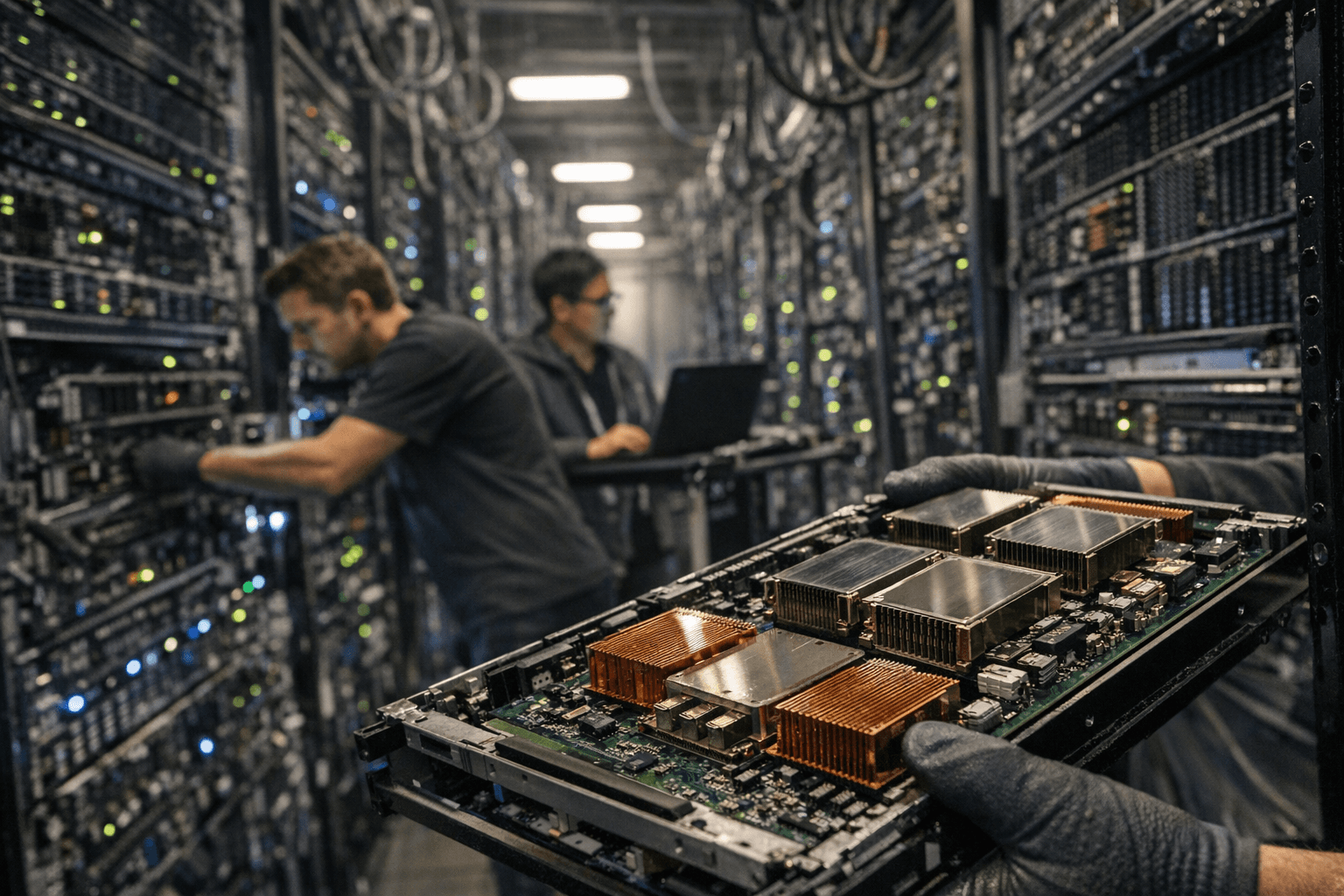
Meta deepened its push to build its own AI hardware on Tuesday, extending a partnership with Broadcom through 2029 and locking in a first phase that exceeds 1 gigawatt of computing capacity. The agreement is another sign that the biggest technology companies are trying to loosen Nvidia’s hold on the AI boom by designing more of the chips that power training and inference.
Meta said Broadcom will help co-develop multiple generations of its Meta Training and Inference Accelerator chips, or MTIA, with work spanning chip design, advanced packaging and networking. The companies described the initial commitment as the first phase of a sustained, multi-gigawatt rollout, a footprint so large that 1 gigawatt is roughly enough electricity to power 750,000 U.S. homes on average.
The Menlo Park, California, company has spent years building custom silicon to reduce dependence on outside suppliers and better tune its infrastructure for ranking, recommendation and generative AI workloads. Meta said its first MTIA chip, MTIA 300, already powers ranking and recommendation systems. Meta also said in March that it was developing and deploying four new MTIA generations within the next two years, a pace that underscores how quickly the company is trying to move from experimentation to a full chip roadmap.
Broadcom’s role is central to that effort. The chipmaker said the partnership is built on its XPU platform and Ethernet technologies, tools meant to connect the massive clusters that AI systems now require. Broadcom also said the MTIA chips will be the first AI silicon to use a 2-nanometer process, a technical milestone that points to how aggressively Meta is chasing efficiency, performance and lower operating costs in its own data centers.
The deal also reflects how much longer the AI infrastructure race has become. Meta CEO Mark Zuckerberg said the collaboration would help build the computing foundation needed to deliver “personal superintelligence” at global scale. Broadcom CEO Hock Tan said the initial deployment was only the beginning of a longer roadmap, and Meta’s filing said Tan and director Tracey Travis notified the company on April 8 that they would not seek reelection at the 2026 annual meeting.
Broadcom shares rose 3.5% in extended trading after the announcement, while Meta’s stock was little changed. For Meta, the message was bigger than one contract: the company is betting that the future of AI will be decided not just by models, but by who controls the chips, the power and the supply chain behind them.
This article was produced by Prism’s automated news system from verified source data, official records, and press releases, then run through automated quality and moderation checks before publishing. The system is built and supervised by the people who set the standards it runs under. Read our full AI policy.
Did this article answer your question?