Mexico economy seen stuck in mild stagflation as trade uncertainty weighs
Trade uncertainty with the United States is keeping Mexico in a low-growth, high-price trap, with inflation at 4.59% and 2026 GDP seen rising just 1.5%.
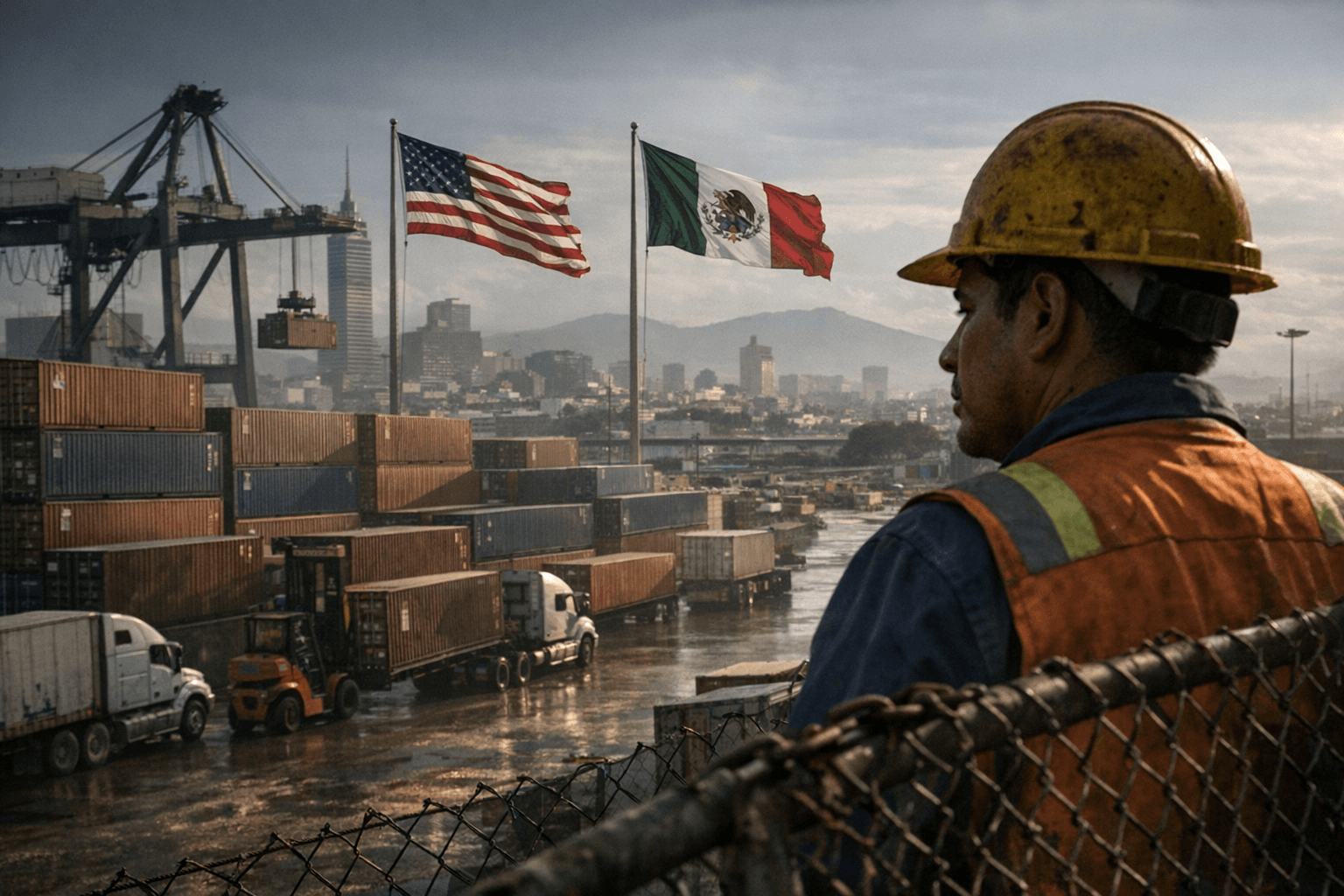
Mexico’s economy is entering 2026 in a narrow, uncomfortable lane: too weak to count as a real expansion, yet still too price-pressured to give households or businesses much relief. A Reuters poll of 35 economists found gross domestic product is expected to grow just 1.5% this year after 0.6% growth in 2025, a third straight year below 2% and the longest such stretch since 2001-2003.
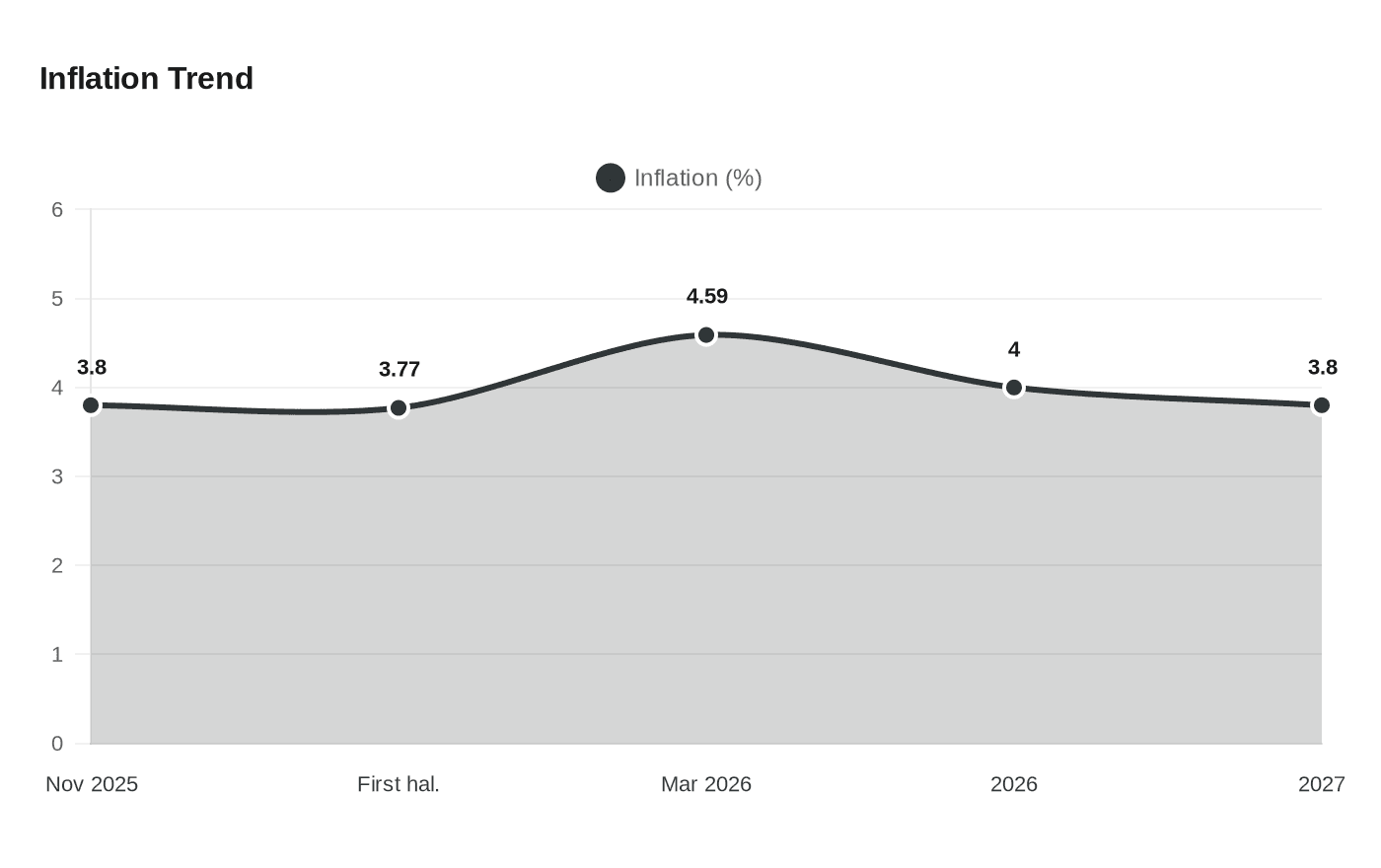
That combination is what many analysts describe as mild stagflation. It is not a collapse, but it is a setting in which slower growth and sticky inflation move together, leaving little room for faster wage gains, easier credit or a broad pickup in investment. The same poll put annual inflation at 4.0% in 2026 and 3.8% in 2027, near the top edge of Banco de México’s target band, which is 3% plus or minus one percentage point.
The pressure is already visible in official data. INEGI said annual inflation reached 4.59% in March 2026, up from 3.80% in November 2025 and 3.77% in the first half of January 2026. On growth, INEGI reported the economy expanded 0.9% quarter-on-quarter and 1.8% year-on-year in the fourth quarter of 2025, but full-year GDP still rose only 0.6%. For Mexico, that means the rebound from the previous slowdown has been too weak to rebuild momentum.
Trade uncertainty is the main reason the outlook remains clouded. Economists were already worried in January about Donald Trump’s lack of support for the existing USMCA deal, and the pact faces a July 1, 2026 review deadline. That matters well beyond Mexico City. Manufacturers, border logistics firms and North American suppliers are all making hiring and capital-spending decisions while they wait to see whether the trade framework that underpins the region’s supply chains will hold or harden.
Claudia Sheinbaum has tried to lower that risk, and separate Reuters reporting said she wants an early deal on steel, aluminum and autos before the formal review is completed. Still, the uncertainty itself has become a drag on investment. Even Grupo Banorte, which was more upbeat than the consensus on trade and public investment, saw only gradual improvement.
The central bank is also nearing the end of its easing cycle. Economists surveyed between April 13 and April 17 expect Banco de México to deliver one final 25-basis-point cut this quarter, bringing the policy rate to 6.50%. That would leave borrowing costs high enough to restrain consumption and business lending, even as inflation stays close to the ceiling.
There is one offset: the FIFA World Cup. Mexico, the United States and Canada will host the tournament from June 11 to July 19, 2026, and Banorte estimates it could add 42 to 62 basis points to Mexico’s GDP, with gains concentrated in tourism, transport, lodging, restaurants and entertainment. For the broader economy, though, that boost looks temporary. The bigger story is still a country caught between weak growth, stubborn inflation and an increasingly uncertain trade relationship with its two North American partners.
This article was produced by Prism’s automated news system from verified source data, official records, and press releases, then run through automated quality and moderation checks before publishing. The system is built and supervised by the people who set the standards it runs under. Read our full AI policy.
Did this article answer your question?

