Mexico journalists face rising legal harassment, press freedom groups warn
Courts in Campeche barred journalist Jorge Luis González Valdez from naming Governor Layda Sansores, a stark sign of Mexico’s growing legal censorship.
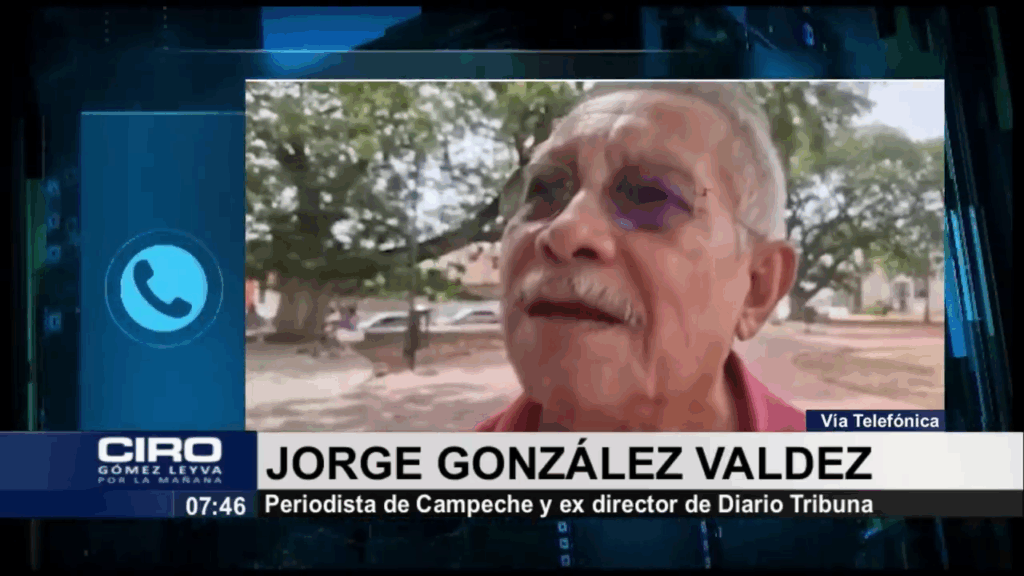
Mexican journalists are being pushed into silence not by newsroom raids, but by court orders, defamation suits and other legal tools that punish coverage after it is published. Press freedom groups say the pressure is reshaping what local reporters can safely investigate, especially when the target is a governor, a politician or a powerful local officeholder.
The scale is growing. ARTICLE 19 documented 51 cases of judicial harassment against journalists and media outlets from January 1 to July 31, 2025. Those cases involved 39 journalists and 12 media outlets, and the organization has said Mexico has averaged about 20 such complaints a year since 2019, roughly one every three weeks.

The tactics vary. Reporters Without Borders says Mexican media outlets are being hit by civil, criminal, electoral and administrative proceedings that can lead to pre-trial detention and convictions. Freedom House says online journalists in Mexico are regularly targeted with legal threats, harassment and physical violence, a mix that drives self-censorship even when no one is dragged out of a newsroom.
The clearest recent example came in Campeche, where a court imposed extraordinary restrictions on retired journalist Jorge Luis González Valdez and the newspaper Tribuna Campeche. González Valdez was barred from mentioning Governor Layda Sansores, and Tribuna was ordered to submit all content mentioning Sansores to a court-appointed monitor for review before publication. Press groups described the move as prior restraint in practice, and the Committee to Protect Journalists called it judicial harassment.
Another front in the campaign has used gender-based political violence laws. The Committee to Protect Journalists said at least five defamation lawsuits had been filed by female politicians against journalists who reported on corruption or misconduct allegations. Mexico introduced the crime of political violence based on gender in 2020, but reporters and legal experts say it has been repurposed in some cases to punish legitimate coverage. One case ended with Arturo Ángel Arrellano Camarillo of Al Calor Político being found guilty in Veracruz under that framework.
The legal pressure lands on top of an already dangerous physical environment. Amnesty International and the Committee to Protect Journalists said eight journalists were killed while enrolled in Mexico’s federal protection mechanism for human rights defenders and journalists over the previous seven years. That record helps explain why a lawsuit, a gag order or an administrative complaint can be so effective: for many reporters, the courtroom has become another site of intimidation.
Press groups say the broader pattern has outpaced reform. Reporters Without Borders says promised changes to curb abusive defamation laws have seen little progress, leaving local journalists with fewer safe ways to scrutinize public officials and fewer paths to challenge retaliation when they do.
This article was produced by Prism’s automated news system from verified source data, official records, and press releases, then run through automated quality and moderation checks before publishing. The system is built and supervised by the people who set the standards it runs under. Read our full AI policy.
Did this article answer your question?