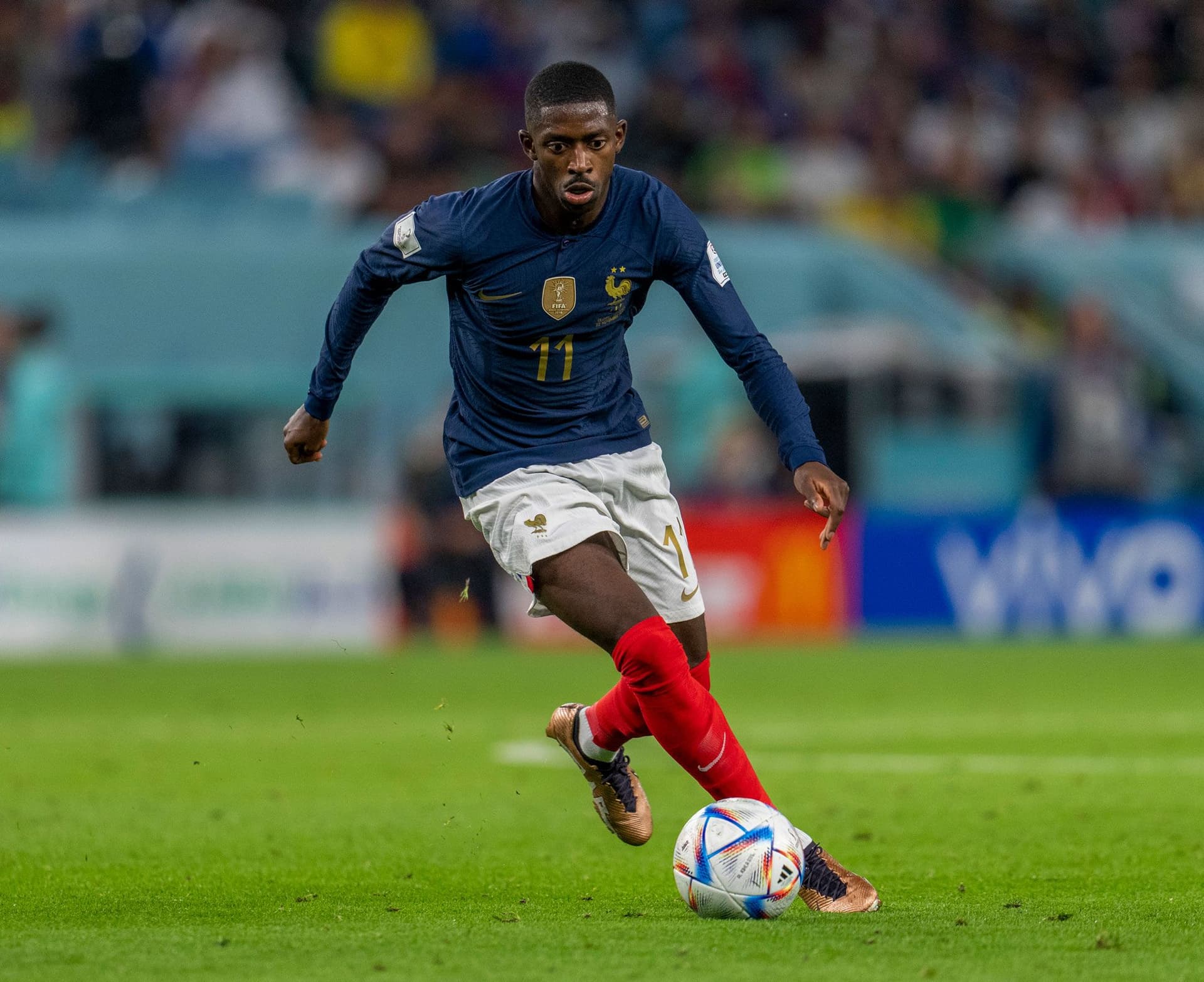
Mexico opens World Cup at iconic Estadio Azteca in ceremony-filled start
Shakira, Burna Boy and Mexican stars opened the World Cup at Estadio Azteca as protests outside underscored the city’s political stakes.

Mexico City turned its biggest football stage into a global showcase on Thursday as the World Cup opened at Estadio Azteca, with a ceremony beginning 90 minutes before kickoff and supporters streaming in hours early. The night paired celebration with strain: music, national pride and packed stands inside the stadium, while protests continued outside in the capital.
Mexico faced South Africa in the opening match at Mexico City Stadium, and FIFA said the ceremony featured Shakira, Burna Boy, Alejandro Fernández, Belinda, Danny Ocean, J Balvin, Lila Downs, Los Ángeles Azules, Maná and Tyla. The buildup also included Mexican cultural elements such as papel picado, dance, indigenous performers and live music, giving the opening a distinctly local frame even as the tournament presented itself as a continent-spanning production. Gates opened four hours before kickoff, and fans were urged to arrive early for the ceremony-filled start.
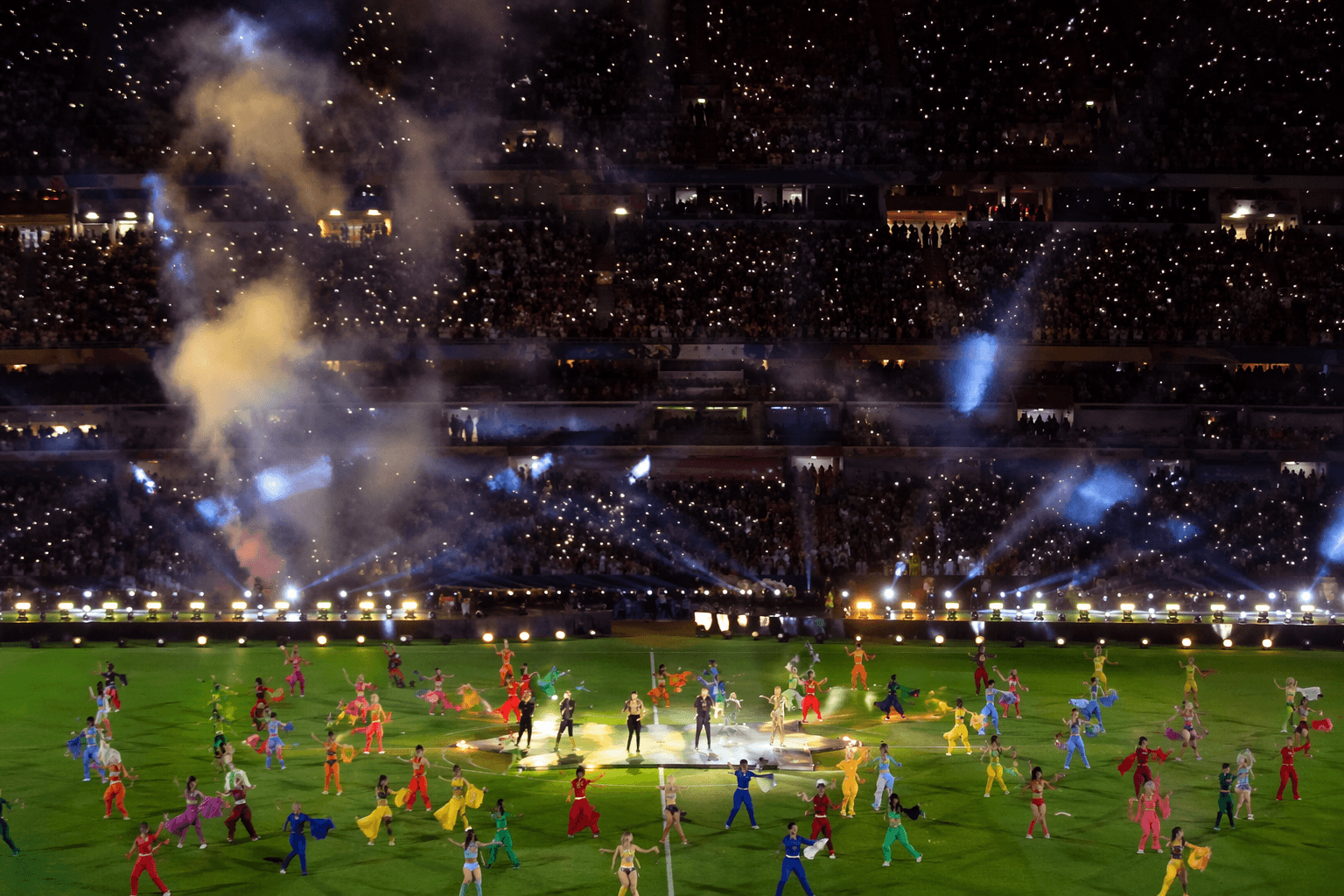
The event gave Mexico City a rare global spotlight, but it also sharpened the question of who benefits most from a mega-event of this scale. Tourism officials, local businesses and national leaders all have reason to treat the opening as an opportunity, yet the protests surrounding the stadium signaled that civic unease can sit alongside the spectacle. For residents and workers around the venue, the payoff will be measured less by television imagery than by whether the event leaves behind lasting gains in transportation, commerce and public space.
Estadio Azteca carried its own political and sporting weight into the evening. After nearly two years of renovations, the 83,000-seat stadium was ready for kickoff and became the first venue to host World Cup opening matches in three separate tournaments. Its place in Mexican football history runs through the 1970 and 1986 World Cups, and the country last hosted the tournament in 1986. That history helped make the stadium feel less like a neutral venue than a national symbol, one fan calling it “our temple.”
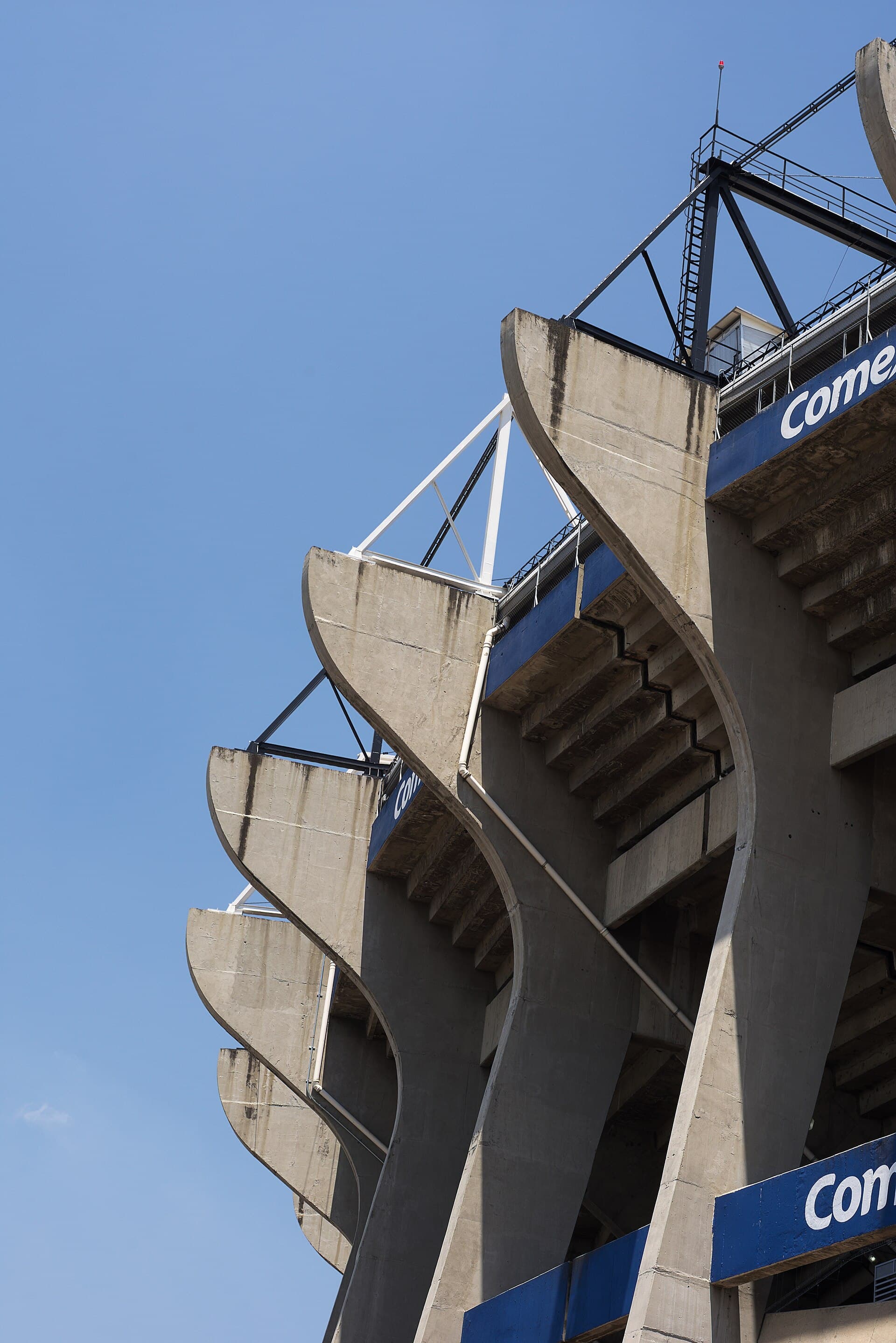
The Mexico City opening was only the first of three ceremonies planned across the 2026 host countries, with additional starts set for Toronto and Los Angeles. But in Mexico City, the meaning of the night was already larger than a single match. It was a test of whether a city can turn a tournament into an enduring civic asset, or whether the world’s attention will fade before the promised benefits arrive.
This article was produced by Prism’s automated news system from verified source data, official records, and press releases, then run through automated quality and moderation checks before publishing. The system is built and supervised by the people who set the standards it runs under. Read our full AI policy.
Know something we missed? Have a correction or additional information?
Submit a Tip