Mexico's World Cup history traces back to Cornish miners
Cornish miners carried football into Mexico’s silver belt, and that legacy now frames a third World Cup on Mexican soil. Pachuca links migration, class and the nation’s game.
Mexico’s World Cup record begins in the mines
Mexico is about to do something no other country has managed: host or co-host the FIFA World Cup for a third time. That milestone is not just a tournament footnote. It connects directly to a deeper story about migration, labor and how a British game took root in the silver-mining towns north of Mexico City before becoming part of Mexico’s sporting identity.
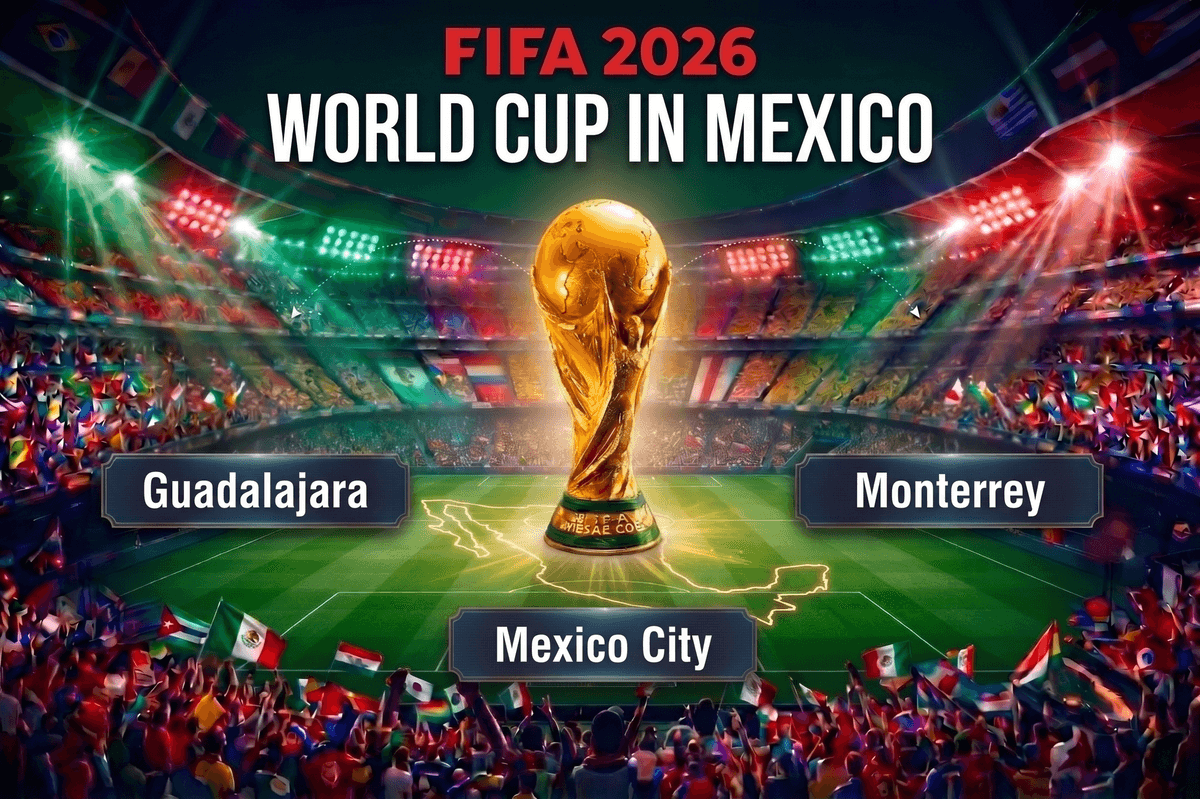
Mexico first staged the World Cup in 1970 and again in 1986, and FIFA says those two tournaments remain the country’s best, with quarter-final runs in both years. In 2026, Mexico will co-host the expanded 48-team World Cup with Canada and the United States, and it will do so from three cities: Guadalajara, Mexico City and Monterrey. The opening match in Mexico will be played at Mexico City Stadium on 11 June 2026, and Mexico itself will play all three of its group-stage games on home soil.
How football arrived in Pachuca
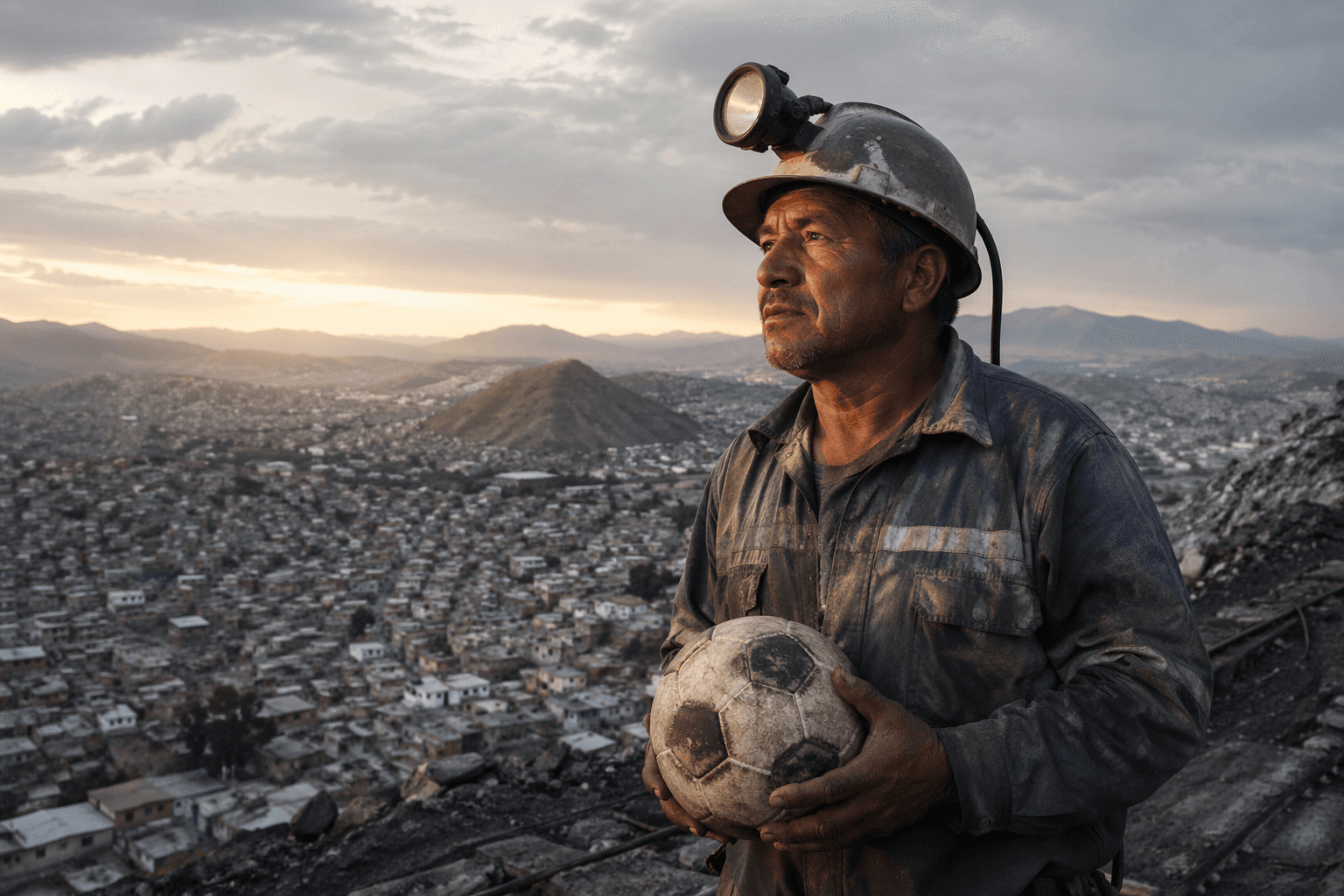
The most revealing part of Mexico’s World Cup story is not in the capital. It sits inside the mining landscape of Hidalgo, around Pachuca and Mineral del Monte, the town formerly known as Real del Monte. British miners, chiefly from Cornwall, brought football into this silver-mining region in the 19th century, and the area became known as Mexico’s “Little Cornwall.” Mineral del Monte lies about 100 kilometres northeast of Mexico City and roughly 18 kilometres from Pachuca, a geography that helps explain how tightly the two places were linked by work, migration and sport.
That legacy is still visible today. Inside the 25,000-seater Estadio Hidalgo in east-central Mexico, fans unfurl a tifo showing a miner holding a pickaxe in one hand and a pastry with a distinctly crimped edge in the other. He stands between two flags, both black with a white cross. It is a tribute that compresses a century and a half of memory into one image: mining, Cornwall, and the game that followed the men who came to work the silver seams.
Cricket came first, then football followed
The first recorded reference to Cornish miners playing sport in Hidalgo was not football at all, but cricket. In the late 1850s, before Association Football rules had even been settled in England, Cornish native and mining magnate Frank Rule set up a cricket team in Pachuca. Historian Sharron Schwartz, who comes from Redruth in Cornwall and specialises in Cornish migration, says the pattern was clear: “the football clubs came out of the cricket clubs.”
That sequence matters because it shows football did not arrive in isolation. It spread through existing club structures, social ties and the habits of men who had already built organised recreation around their mining communities. Schwartz also says the miners in Mexico “decided early on to play soccer rather than rugby, hence its spread.” That choice helped determine which code would dominate the region. In other words, a decision made in a working mining community in Hidalgo helped shape the sporting future of a country.
The first recorded mention of a Pachuca football team dates to 1892, in a newspaper report describing a reorganisation after a “schism.” Another marker comes from 1900, when a game reportedly took place in the yard of the Mina de Dolores among the “English” miners, many of whom were from Cornwall. These are not abstract origins. They are specific, local moments in which imported sport became embedded in daily life, workplace culture and community identity.
Why Pachuca matters to Mexican football
Pachuca is widely recognised as Mexico’s first football club, and that status gives the city a special place in the country’s football map. Its importance is not simply chronological. Pachuca stands at the point where migration from Cornwall, mining discipline and club life fused into a sporting culture that spread far beyond Hidalgo.
That heritage is now preserved in the Soccer Hall of Fame in Pachuca, established in 2011. Among the memorabilia from the early years is an old mining helmet, a reminder that the game’s local roots were carved out of industrial life as much as athletic ambition. The Hall of Fame does more than display objects. It anchors a civic story about how a mining town helped give Mexico one of its most enduring cultural institutions.
The result is a football identity with a distinctly transatlantic origin. What began as recreation among miners became a shared local tradition, then a city emblem, and ultimately part of the national game. Mexico’s World Cup profile today cannot be separated from that path. The country’s football success, including its quarter-final runs in 1970 and 1986, sits atop a much older foundation built in mining settlements where British workers, especially Cornish migrants, carried habits, institutions and rivalries across the ocean.
What the 2026 World Cup will put on display
The 2026 tournament will be the biggest World Cup ever staged, and Mexico’s role in it will be unusually visible. As one of three host nations, it will welcome the world to matches in Guadalajara, Mexico City and Monterrey, while Mexico City Stadium opens the tournament on 11 June 2026. Mexico will also have the advantage of playing all three of its group-stage matches on home soil, a rare alignment of sporting ambition and national stage.
That setting gives added meaning to the Cornish story in Pachuca. The country that is becoming the first to host or co-host the World Cup three times is also the country whose football culture was helped along by miners who arrived for work and ended up leaving behind institutions, social customs and a preferred code of football. The game’s Mexican future will be celebrated in grand stadiums next year, but part of its origin story still lives in the silver towns of Hidalgo.
Seen that way, Mexico’s place in World Cup history is not only about hosting rights or results on the field. It is also about cultural transmission, about how a labor migration from Cornwall helped seed clubs, traditions and identities that still echo in Mexican football today. The road to 2026 runs through those mines, and Pachuca remains the clearest reminder of how the country’s global football profile was built.
This article was produced by Prism’s automated news system from verified source data, official records, and press releases, then run through automated quality and moderation checks before publishing. The system is built and supervised by the people who set the standards it runs under. Read our full AI policy.
Know something we missed? Have a correction or additional information?
Submit a Tip