MI5 accused of giving false evidence to courts over neo-Nazi spy
MI5 was found to have given courts evidence based on "lies" in a spy case now testing secret-evidence oversight. The watchdog inquiry followed a prime ministerial direction.

MI5 gave evidence based on "lies" to three courts while defending Agent X, a violent neo-Nazi spy, in a finding that puts Britain’s secret-evidence system under fresh strain. Sir John Goldring, the deputy investigatory powers commissioner, led the investigation after Sir Brian Leveson asked him to take charge under a Prime Ministerial Direction. The case now cuts beyond one scandal and into the credibility of the High Court, the Investigatory Powers Tribunal and the institutions that rely on closed national-security proceedings.
The report said the false evidence reached the High Court and the Investigatory Powers Tribunal in proceedings linked to Agent X. The High Court had already ordered a "robust and independent" investigation into how MI5 handled the case, reflecting the seriousness of a dispute in which judges concluded the service’s account needed to be tested outside normal internal channels.
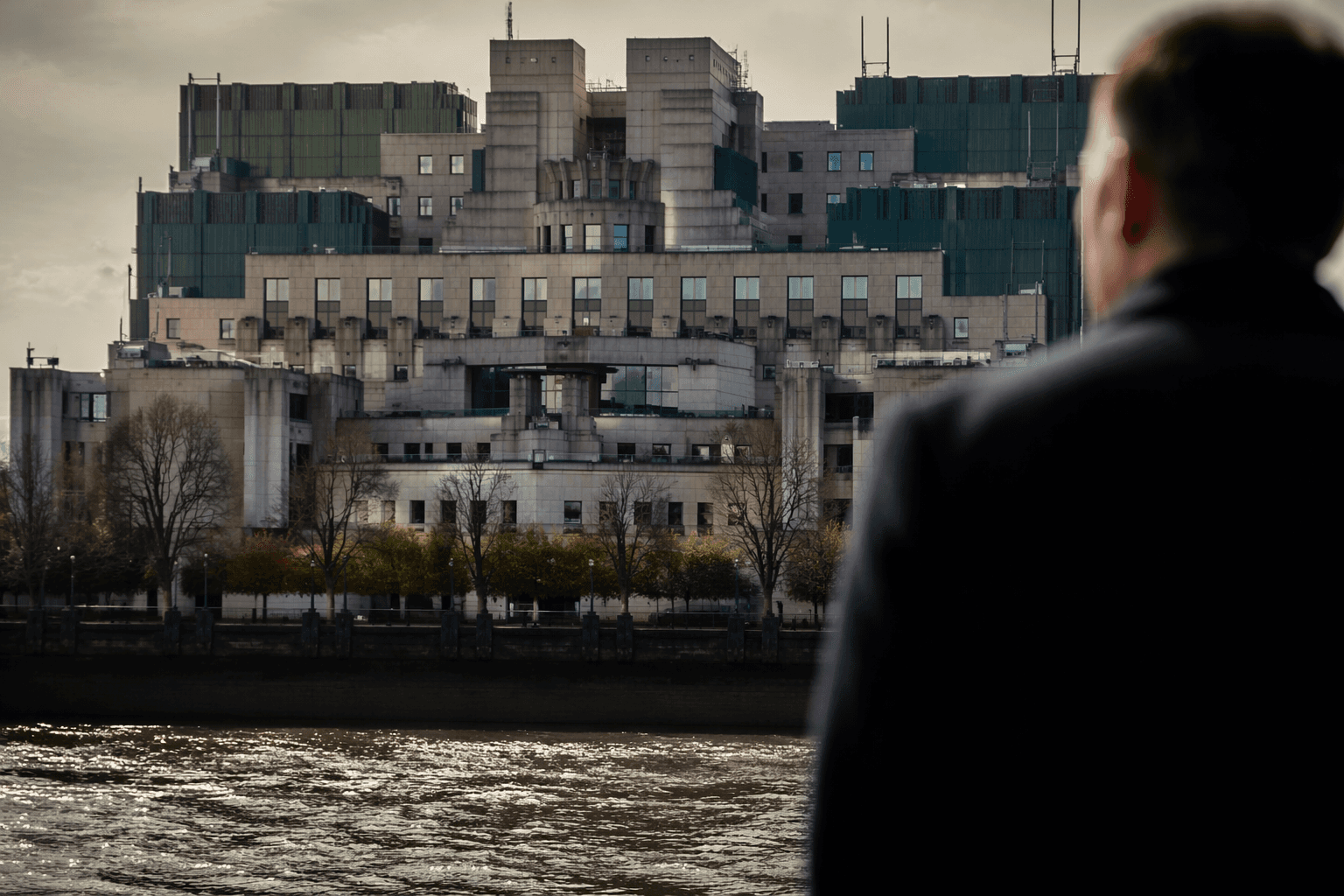
Agent X became central to the case because he used his MI5 role to abuse his girlfriend. He was later described as a misogynist who was "obsessed" with violence, sharpening concerns that the service had defended an operative whose conduct extended far beyond ordinary misconduct and into coercive abuse. That detail now sits at the heart of a wider reckoning over how much trust courts can place in intelligence evidence when the facts are hidden from public view.
Home secretary Yvette Cooper called MI5’s false evidence a "serious failing" and accepted that a further investigation was needed. MI5 has apologised to the woman abused by Agent X and will pay compensation, while the government has offered to meet her. Those steps may answer some immediate demands for redress, but the legal consequences remain larger: the case has exposed how damaging it is when an intelligence agency misleads judges, and how much pressure that places on oversight mechanisms built to police secrecy rather than expose it.
This article was produced by Prism’s automated news system from verified source data, official records, and press releases, then run through automated quality and moderation checks before publishing. The system is built and supervised by the people who set the standards it runs under. Read our full AI policy.
Did this article answer your question?