Miami Grand Prix moved forward three hours amid thunderstorm threat
Miami shifted its Grand Prix three hours earlier as thunderstorm forecasts threatened the 57-lap race, forcing a late scramble over safety and schedule.
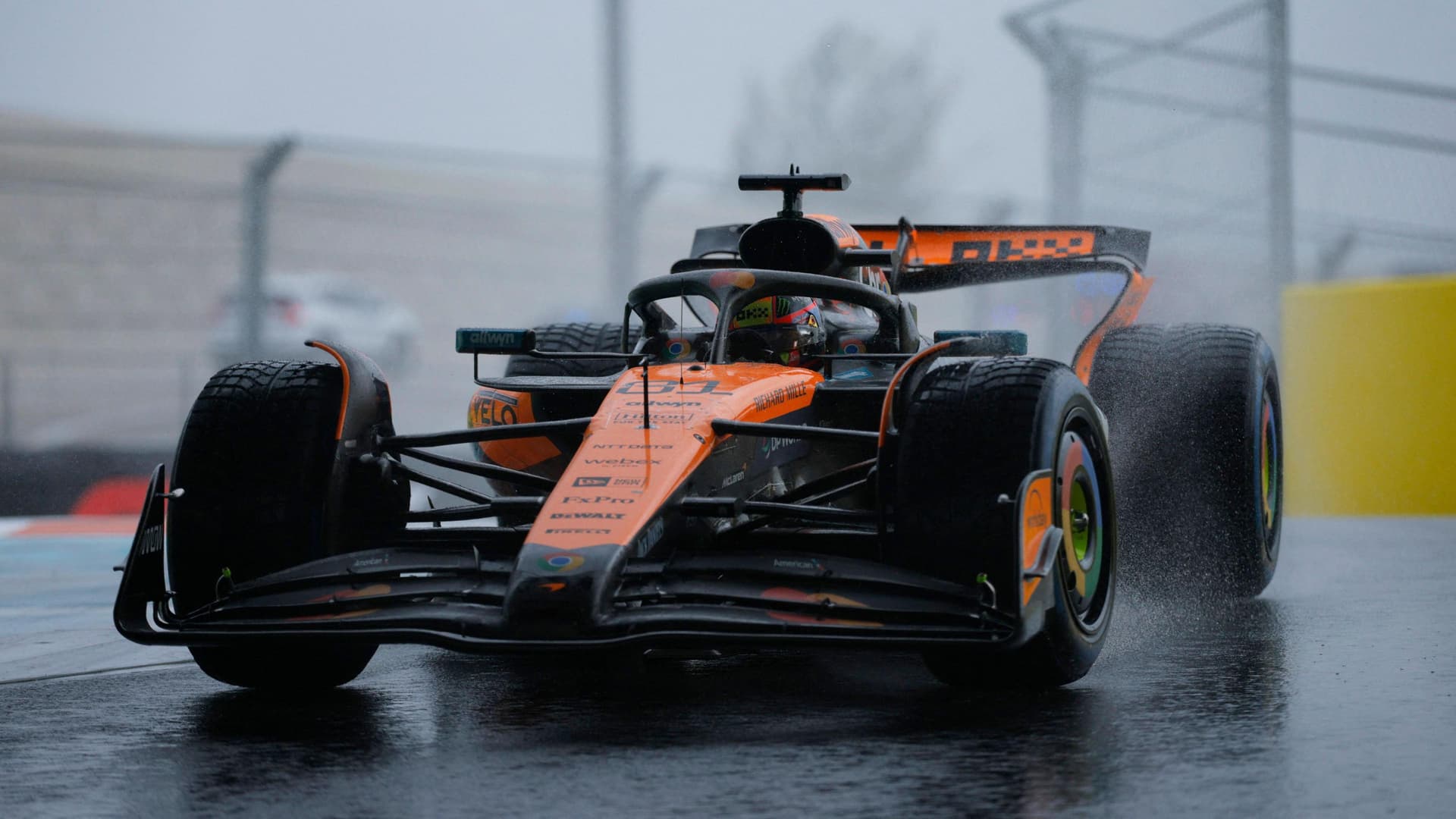
The Miami Grand Prix was pulled forward three hours to 13:00 local time, or 18:00 BST, after the FIA, Formula 1 and the Miami Grand Prix promoter agreed the original 16:00 start faced a growing threat of heavy rainstorms and lightning. The change was designed to reduce disruption, give the 57-lap race the best chance of being completed, and protect drivers, fans, teams and staff at Miami International Autodrome.
The timing shift underscored how quickly weather risk can reshape modern motorsport operations. The National Weather Service says a significant lightning threat can extend about 6 to 10 miles from a thunderstorm cloud, and advises outdoor activity should not resume until at least 30 minutes after the last thunder or lightning. With forecasts pointing to an 85% chance of heavy thunderstorms in Miami on Sunday afternoon, officials were working against a narrow window that also left limited daylight before sunset.
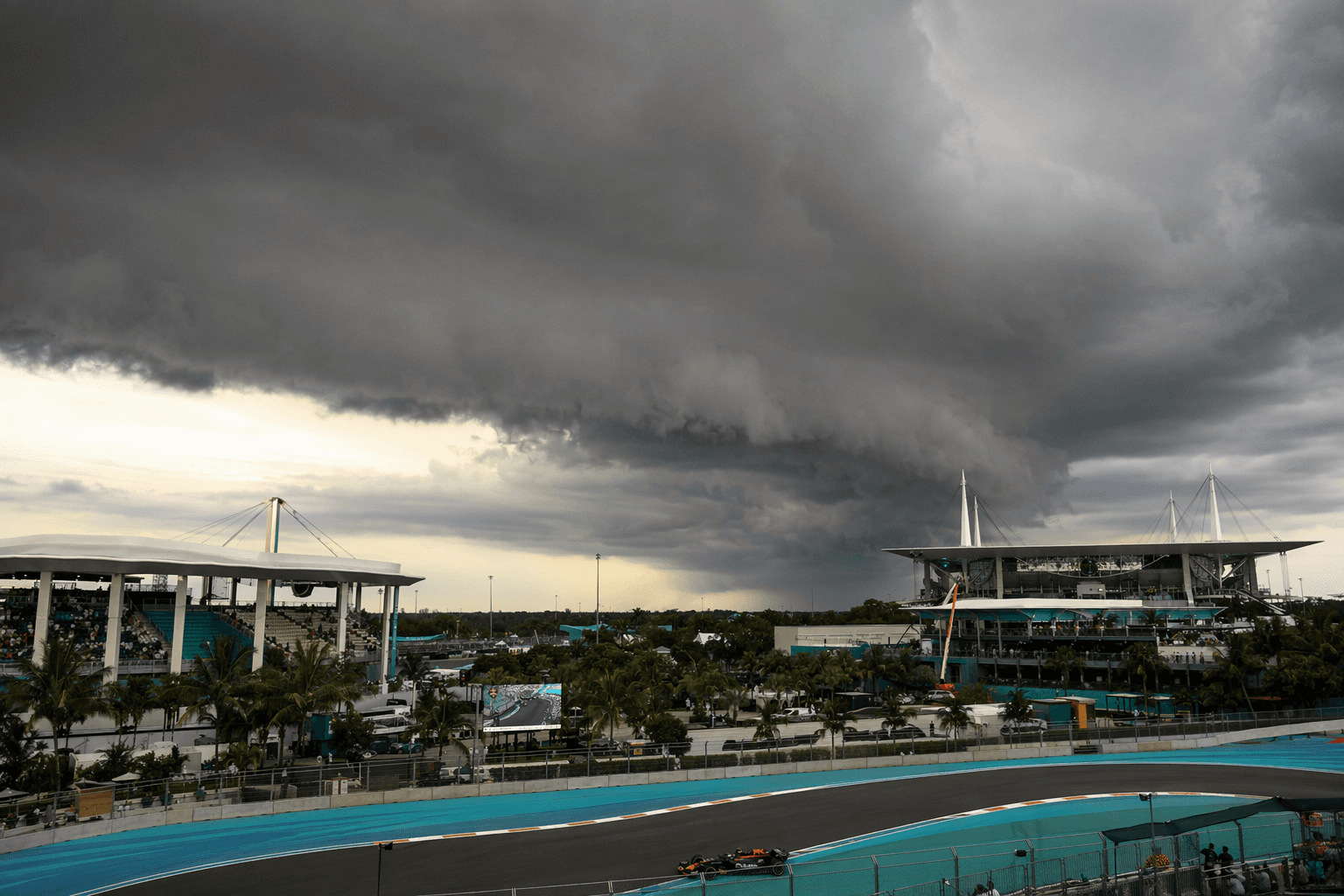
Drivers had already begun to sound the alarm before the change was confirmed. Sergio Perez said the forecast was “looking really bad” and that emergency changes were being considered. That anxiety reflected a broader reality for event organizers: a race can no longer be planned only around track conditions, but also around the timing of lightning pauses, spectator movement, team logistics and broadcast delivery.
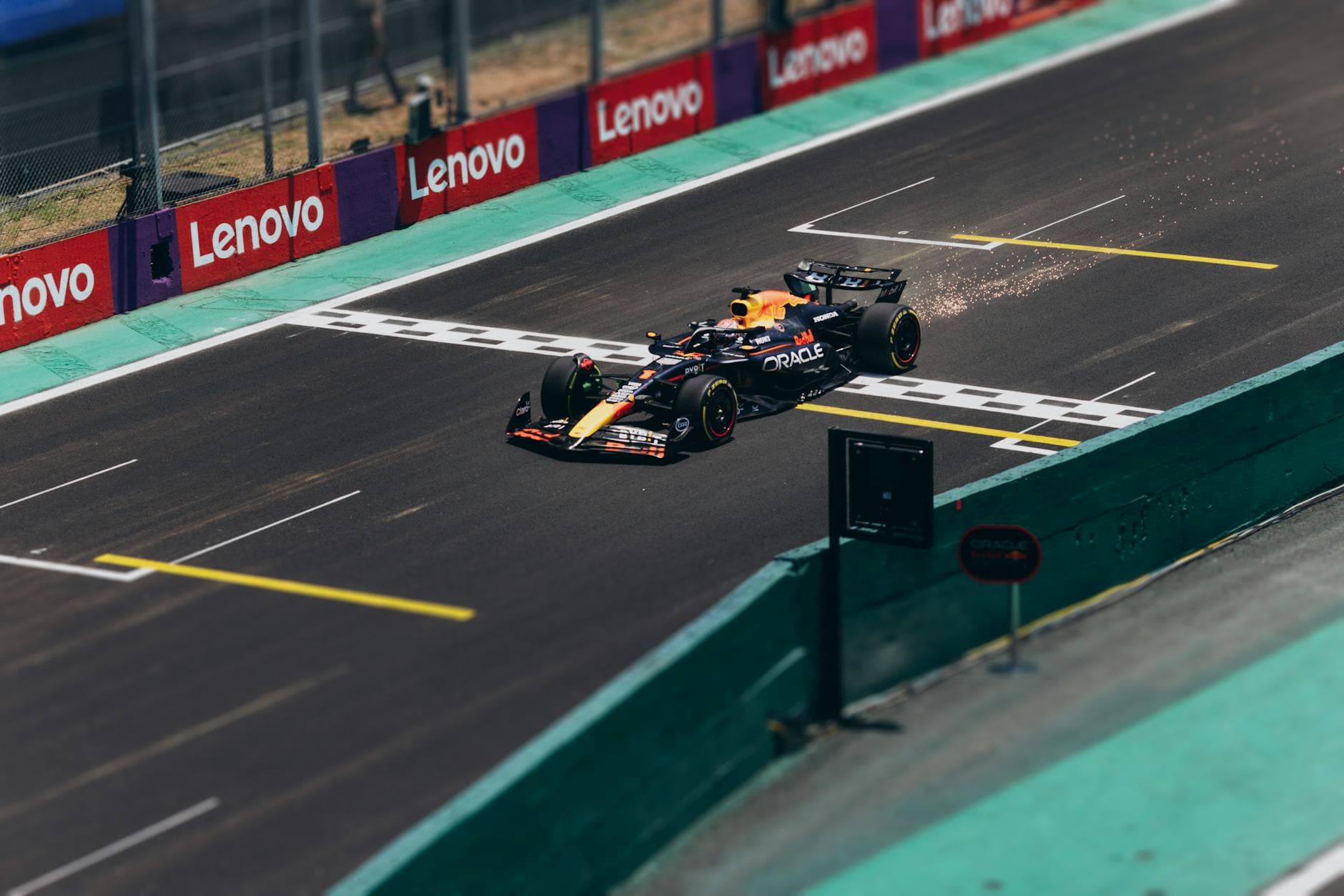
The Miami race is the fifth edition of an event that first joined the Formula 1 calendar in 2022, and the latest adjustment adds to a growing body of precedent for weather-driven rescheduling. The 2024 Brazilian Grand Prix was also brought forward to avoid heavy storms later in the day. In Miami, the revised start time meant fans, broadcasters and teams had to reset around a new timetable while the front row still featured Kimi Antonelli on pole and Max Verstappen alongside him.
For Formula 1, the decision was not just about getting cars on track. It showed how extreme-weather planning is moving from contingency to core strategy, with safety, broadcast windows and fan experience now tightly linked to storm forecasts that can force a major event to move by hours, not minutes.
This article was produced by Prism’s automated news system from verified source data, official records, and press releases, then run through automated quality and moderation checks before publishing. The system is built and supervised by the people who set the standards it runs under. Read our full AI policy.
Did this article answer your question?
.jpg&w=1920&q=75)