Miami Grand Prix preview, Sprint weekend returns as F1 reaches round four
Miami’s Sprint weekend arrives with fresh rule tweaks, but the big question is simple: will they change the racing, or just the margins?
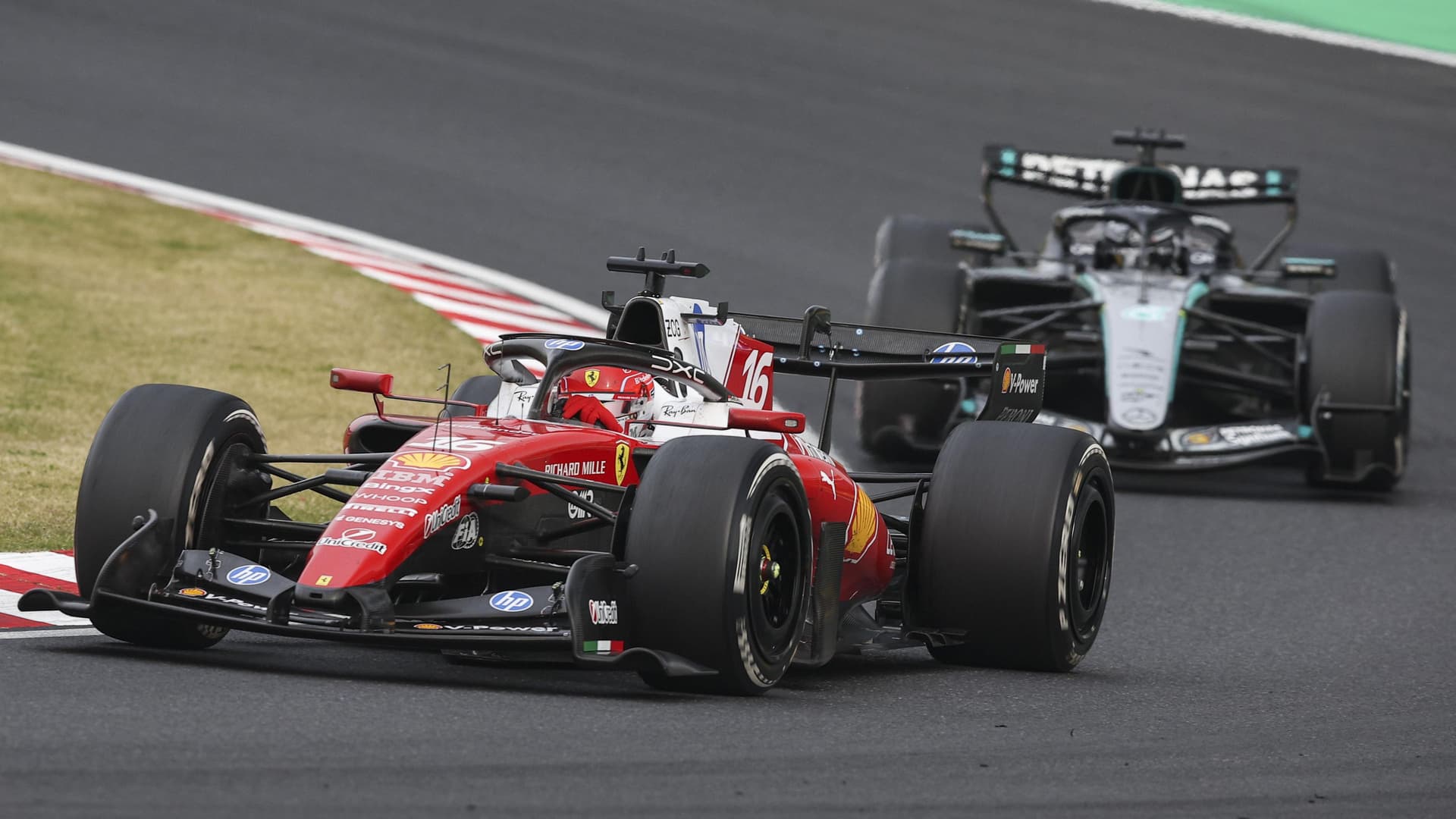
Formula 1 is bringing both a Sprint weekend and a fresh set of rule refinements to Miami, but the smartest way to read them is as fine-tuning rather than a reset. The 2026 Miami Grand Prix runs from 1-3 May at the Miami International Autodrome, with the race set for Sunday 3 May at 13:00 local time, and it is round 4 of the Formula 1 World Championship.
Miami’s place in the 2026 calendar
The Miami weekend has become one of the sport’s clearest early-season markers, and 2026 keeps that pattern intact. Miami will host a Sprint weekend for the third consecutive year, with Sprint Qualifying on Friday 1 May, the Sprint on Saturday 2 May, Qualifying later that same day, and the Grand Prix on Sunday.
That matters because Miami is no longer just a showcase stop. The circuit, which opened in 2022, now sits inside a high-pressure stretch where teams are still learning the shape of the new regulations, and where every session can reveal whether a concept is genuinely strong or only looks good on paper.
Why the rule changes are arriving now
The first three races of the 2026 season, in Australia, China and Japan, gave the FIA, Formula 1 and the teams enough data to agree some refinements before Miami. The changes were discussed in an online meeting involving the FIA, team principals, CEOs of power unit manufacturers and FOM, with input from drivers after several weeks of consultation.
That process is important because it shows how Formula 1 now regulates itself in practice. The FIA still sets the framework, but the sport is clearly trying to react faster when the evidence from race weekends suggests the balance needs adjusting. In its own description of the 2026 rules, the FIA frames the package as a move toward a more competitive, safer and more sustainable future.
For casual fans, the key point is this: the Miami changes are not a sign that the whole rulebook is being rewritten again. They are more like a mid-course correction, aimed at the way the cars use energy and how they launch off the line.
What has actually changed
The most visible technical tweak is aimed at energy management. Formula 1 says maximum permitted recharge will drop from 8MJ to 7MJ, which is intended to encourage more consistent flat-out driving and reduce the temptation for drivers to nurse energy for long stretches.
The sport is also trying to shorten the so-called superclipping phase, the period when cars aggressively manage energy to avoid running out of deployment later in the lap. Peak superclip power will rise to 350 kW from 250 kW, while the number of events where alternative lower energy limits may apply has increased from eight to 12 races, giving the FIA more room to adapt the rules to different circuits.
In race conditions, the maximum Boost power is now capped at +150 kW, or the car’s current power level at activation if that is higher. At the same time, MGU-K deployment remains at 350 kW in key acceleration zones, but is limited to 250 kW elsewhere on the lap. The FIA says these measures are meant to curb excessive closing speeds while keeping overtaking opportunities alive.
In plain language, that suggests a careful trim, not a dramatic shift in the racing product. The car should still feel like a high-performance machine, but the sport is trying to stop the most artificial energy-management patterns from dominating the action.
The start procedure is under the microscope too
Miami will also be the first test ground for a new safety measure focused on race starts. Formula 1 says it has developed a low-power start detection system that can identify cars with abnormally low acceleration shortly after clutch release.
If the system is triggered, automatic MGU-K deployment will provide a minimum level of acceleration, reducing the risk of a dangerous or compromised launch without handing anyone a sporting advantage. Rear and lateral flashing lights will warn following drivers if a car is affected, and the energy counter will be reset at the start of the formation lap to fix a system inconsistency.
This is the kind of change most fans will notice only if it works badly or if it prevents a messy start from becoming a bigger problem. The real test is not whether it looks dramatic on television, but whether it quietly reduces risk without interfering with the fairness of the launch.
What to watch if you are new to the weekend
The Sprint format makes Miami especially useful for newcomers because the event offers meaningful sessions from the first day. If you are trying to understand whether the rule changes matter, the cleanest clues will come from how often drivers are able to attack flat out, how much energy management still shows up on the timing screens, and whether the field looks more compressed or more free to race.
A few things are worth watching closely:
- Friday’s Sprint Qualifying, because it will show who has adapted fastest to the revised energy rules.
- Saturday’s Sprint, because it is the quickest way to see whether the new setup changes wheel-to-wheel racing or just the margin between cars.
- The race start on Sunday, because the low-power detection system is being tested here first.
- How much time drivers spend managing energy, since the new limits are meant to reduce the most obvious forms of lift-and-coast style driving.
The broader answer to the weekend’s big question is that these changes are more likely to alter margins than the whole spectacle. Miami should not suddenly become a different type of race, but the revised deployment rules and start protections could shape how close the field stays, how drivers attack, and how teams build their strategies.
Why Miami is still a useful barometer
Formula 1 and the FIA announced six Sprint venues for 2026 in September 2025, with Miami, Shanghai and Silverstone returning alongside first-time Sprint venues Montreal, Zandvoort and Singapore. Miami and Shanghai will host Sprint weekends for the third consecutive year, which underlines how central they have become to the format.
The commercial signal is strong too. Formula 1 says the 2025 Miami Sprint was watched by 26.6 million TV viewers, an 18% increase on the previous year. That kind of audience growth helps explain why the sport keeps returning to Miami as both a showcase and a test bed.
So the Miami Grand Prix is doing two jobs at once. It is the fourth round of the championship, and it is the first public exam for a package of rule refinements designed to make the new era more stable. If the weekend feels cleaner, faster and less dictated by energy games, that will be the point. If not, Formula 1 will know it has more adjusting to do.
This article was produced by Prism’s automated news system from verified source data, official records, and press releases, then run through automated quality and moderation checks before publishing. The system is built and supervised by the people who set the standards it runs under. Read our full AI policy.
Did this article answer your question?
.jpg&w=1920&q=75)