Michael Carrick strengthens case for permanent Manchester United manager role
Carrick turned a temporary appointment into a serious case for permanence, steering United back into the Champions League with a 3-2 win over Liverpool.
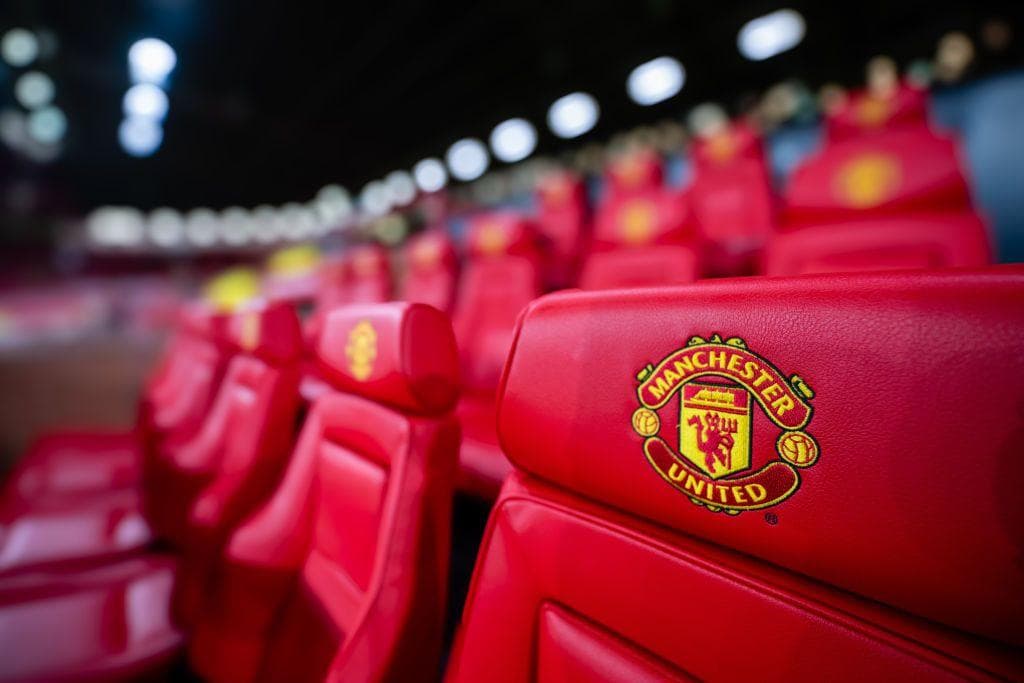
Michael Carrick has made Manchester United’s next managerial decision look less like a search and more like a test of nerve. If Champions League qualification was the line for the interim head coach, then United have already reached it, and the question now is whether the club is prepared to reward results or keep drifting toward another reset.
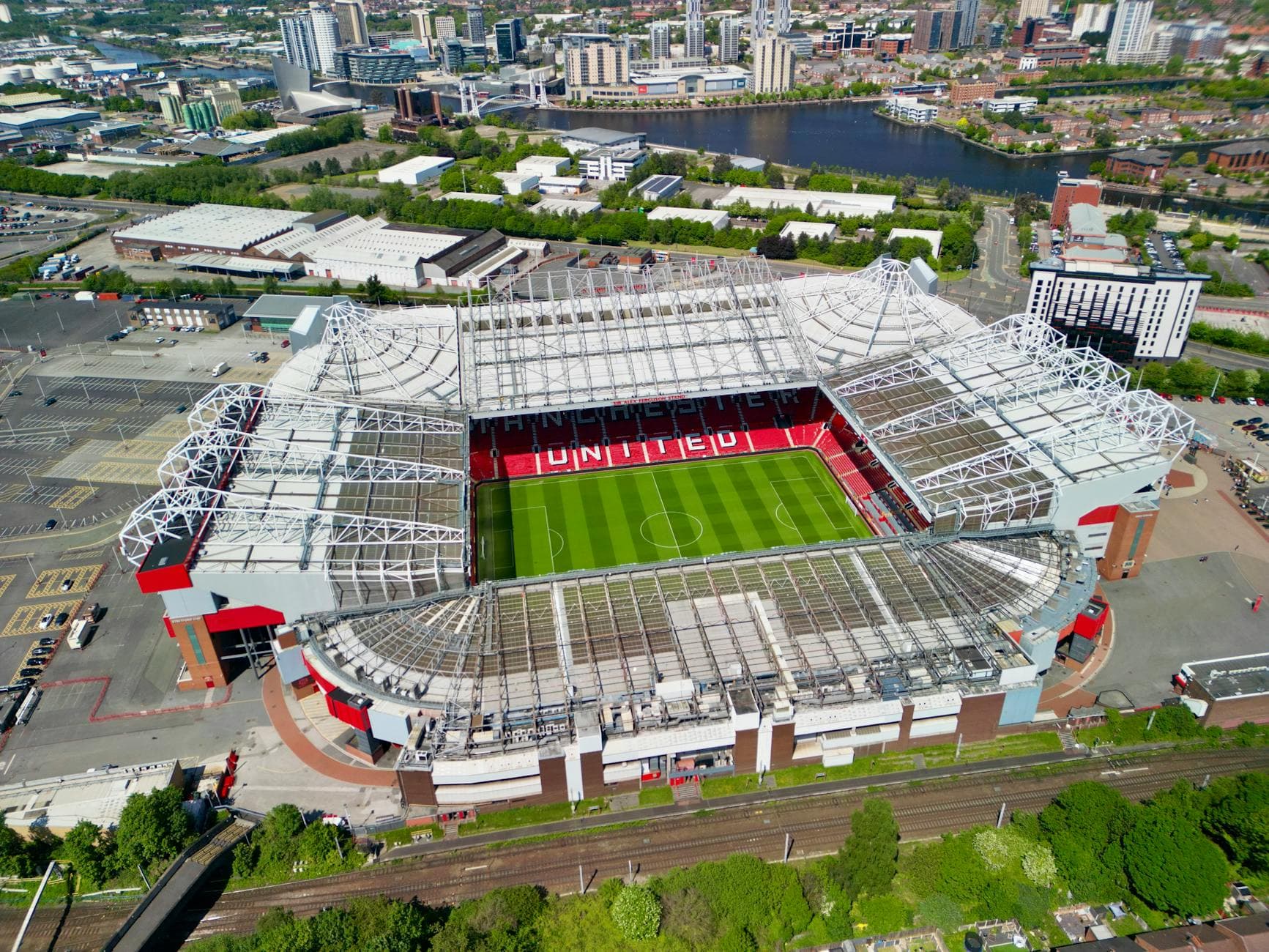
United appointed Carrick on 13 January 2026 until the end of the 2025/26 season, and his position was always framed as temporary. That framing now looks increasingly fragile after Sunday’s 3-2 win over Liverpool at Old Trafford secured Champions League qualification for next season and ended United’s two-year absence from the competition. Before kickoff, United needed only two more points to make qualification mathematically certain, but Carrick’s side finished the job with enough room to spare.
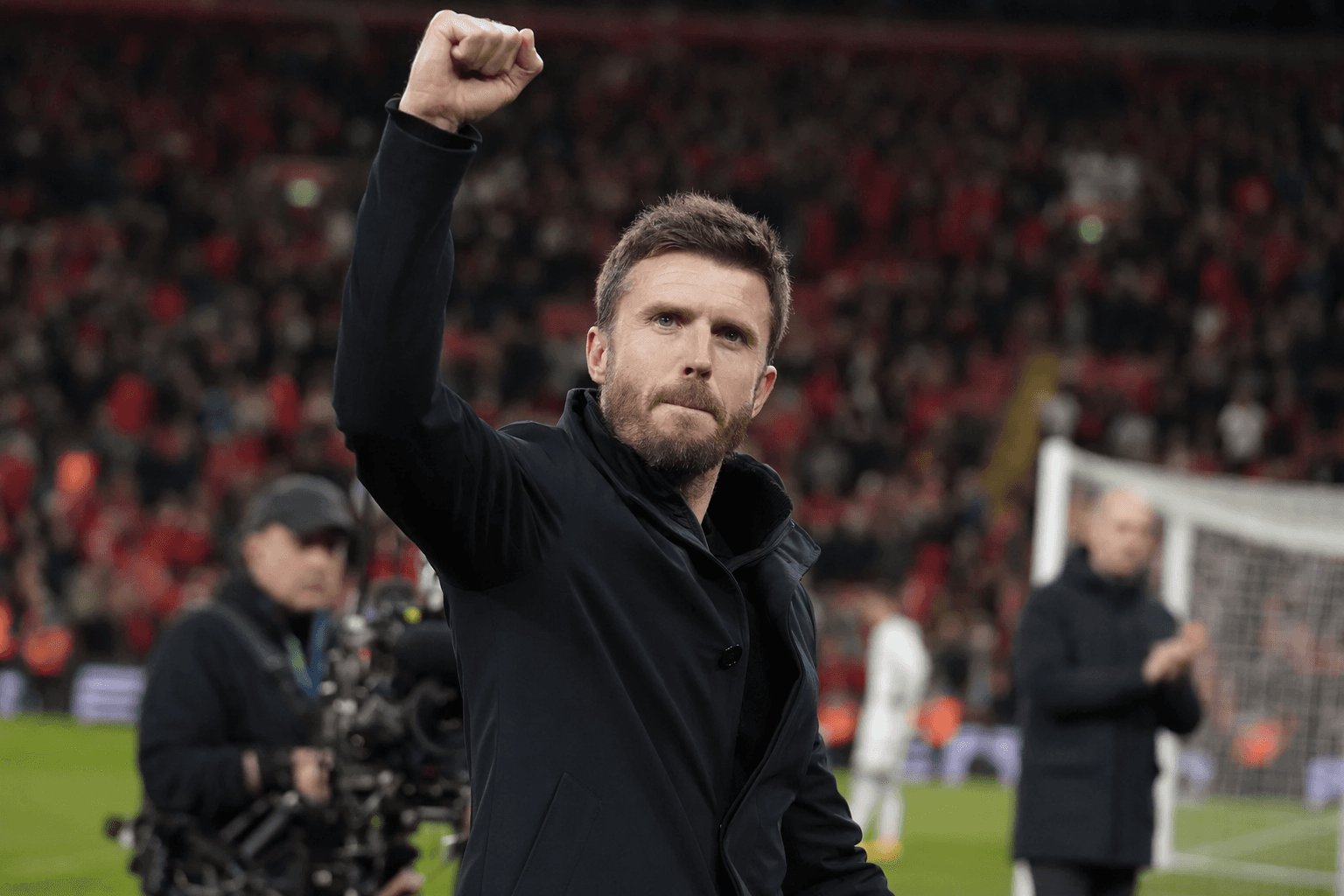
The broader context matters. Carrick had already said the extra Champions League place was helped by English clubs’ performances in Europe this season, and United benefited as the European Performance Slot was solidified after Arsenal beat Sporting 1-0 in Portugal. The pathway back into the competition was not just a matter of one result, but Carrick still had to take it, and he did so against Liverpool in front of a home crowd that watched Kobbie Mainoo score the winner.
That goal carried more than three points. Mainoo, who has signed a new contract keeping him at United until June 2031, also backed Carrick for a long-term role, a signal that the club’s academy core already sees stability as part of the project. Carrick, for his part, said Champions League qualification should be used as a springboard to “push on.” He also said being Manchester United manager “feels natural,” a line that now sounds less like a caretaker’s reassurance and more like a challenge to the board.
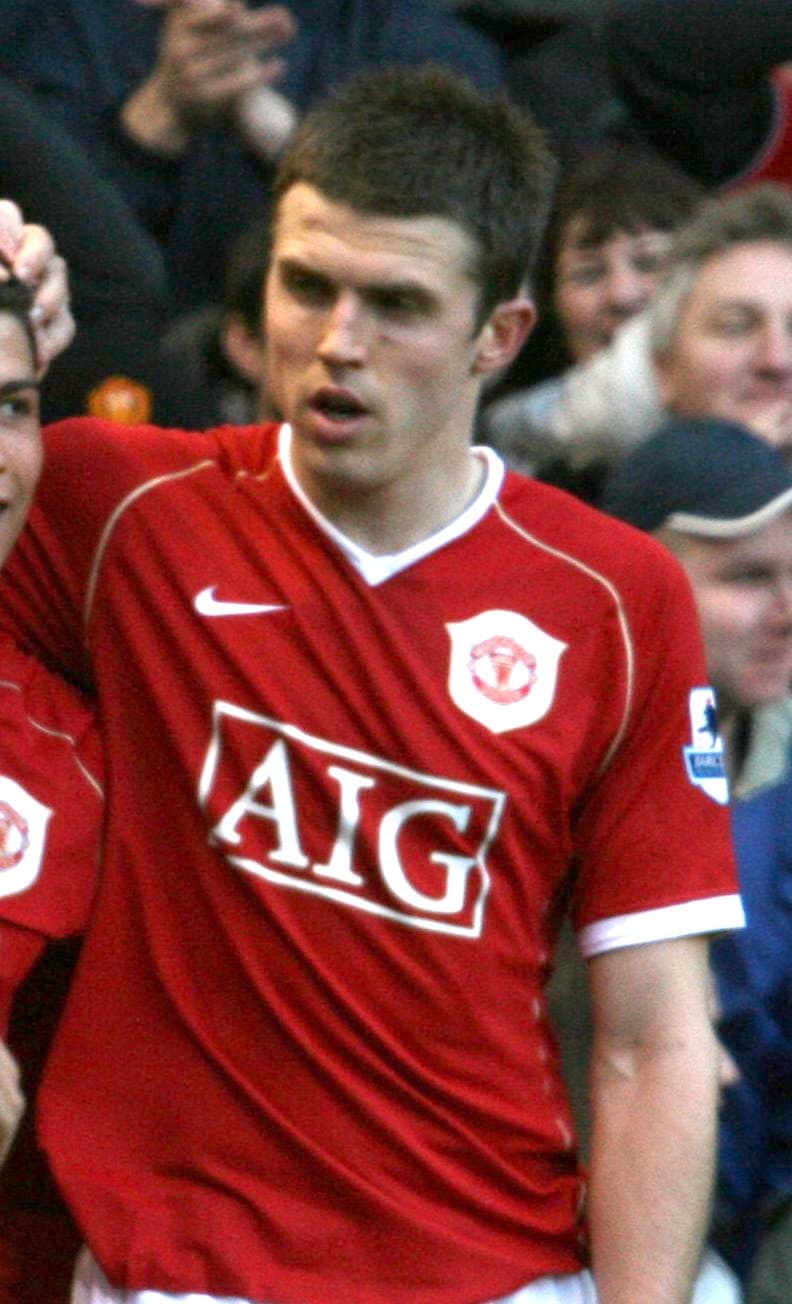
United’s managerial conversation had already narrowed, with Luis Enrique understood to be the leading alternative. That makes the choice starker, not broader. United can chase a high-profile outsider, or they can commit to a coach who has delivered the minimum objective in front of him and done it in a way that strengthens the case for continuity. Hesitation would risk turning a season of recovery into another year of uncertainty. Commitment, by contrast, would mean accepting that the standard at Old Trafford is no longer reputation alone, but results.
This article was produced by Prism’s automated news system from verified source data, official records, and press releases, then run through automated quality and moderation checks before publishing. The system is built and supervised by the people who set the standards it runs under. Read our full AI policy.
Know something we missed? Have a correction or additional information?
Submit a Tip

