Michigan becomes test case for Democrats' working-class appeal
Sanders and Ocasio-Cortez rallied with Abdul El-Sayed in Detroit, turning Michigan into a live test of whether left-wing energy can reach working-class swing voters.
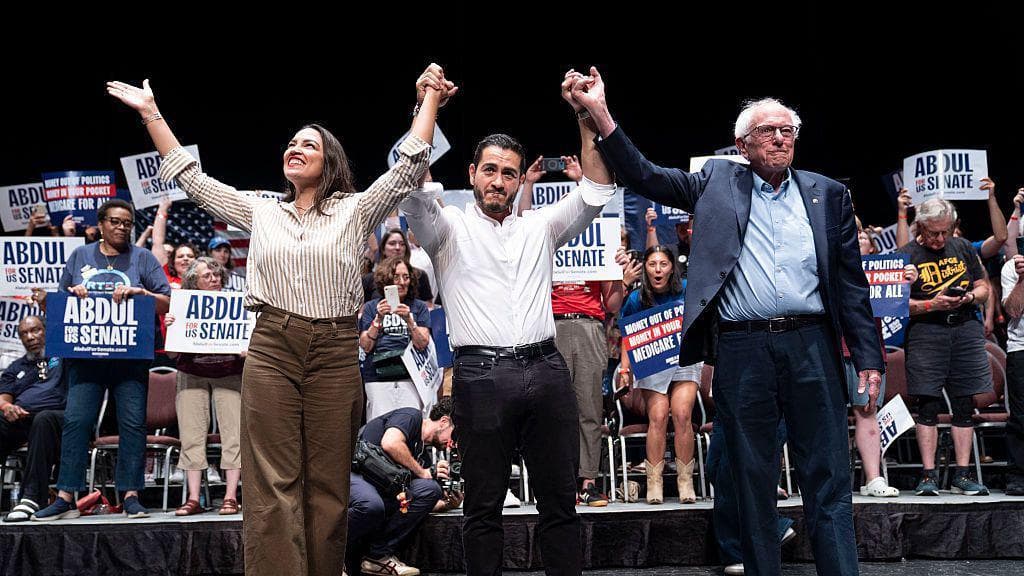
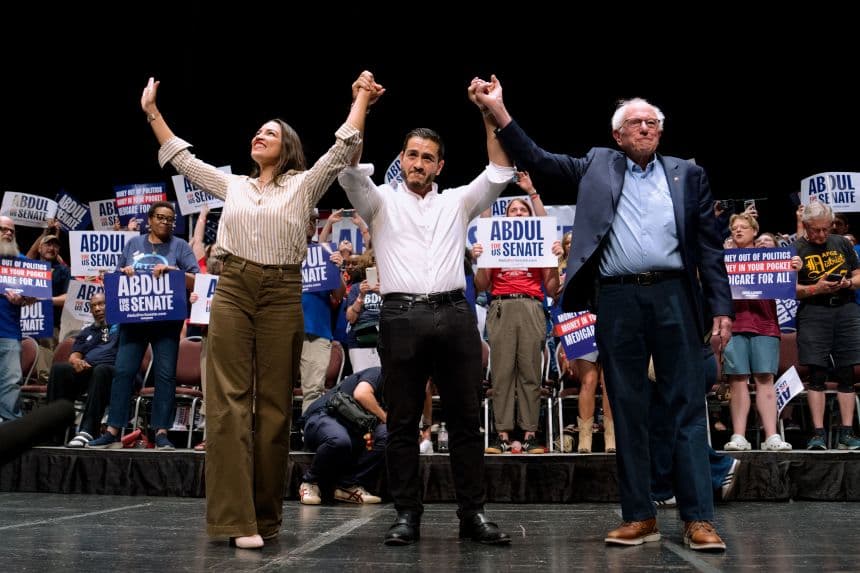
Bernie Sanders and Alexandria Ocasio-Cortez appeared with Abdul El-Sayed at the Detroit Opera House in a July rally that showcased how aggressively the Democratic left is trying to shape the party’s future in Michigan. The event, billed as The People v. The Powerful, also drew Rashida Tlaib, Shawn Fain and Donavan McKinney, and it put El-Sayed at the center of a high-profile Senate primary fight against U.S. Rep. Haley Stevens.
The scene in Detroit matters because Michigan is not an ordinary primary backdrop. It is one of the states that can decide national control, and USAFacts said five states were won by less than 3 percentage points in the 2024 presidential election, a reminder of how narrow the battleground map remains. Michigan also carries recent partisan history: in 2016, it backed a Republican presidential candidate for the first time since 1988, helping Donald Trump break the Blue Wall.
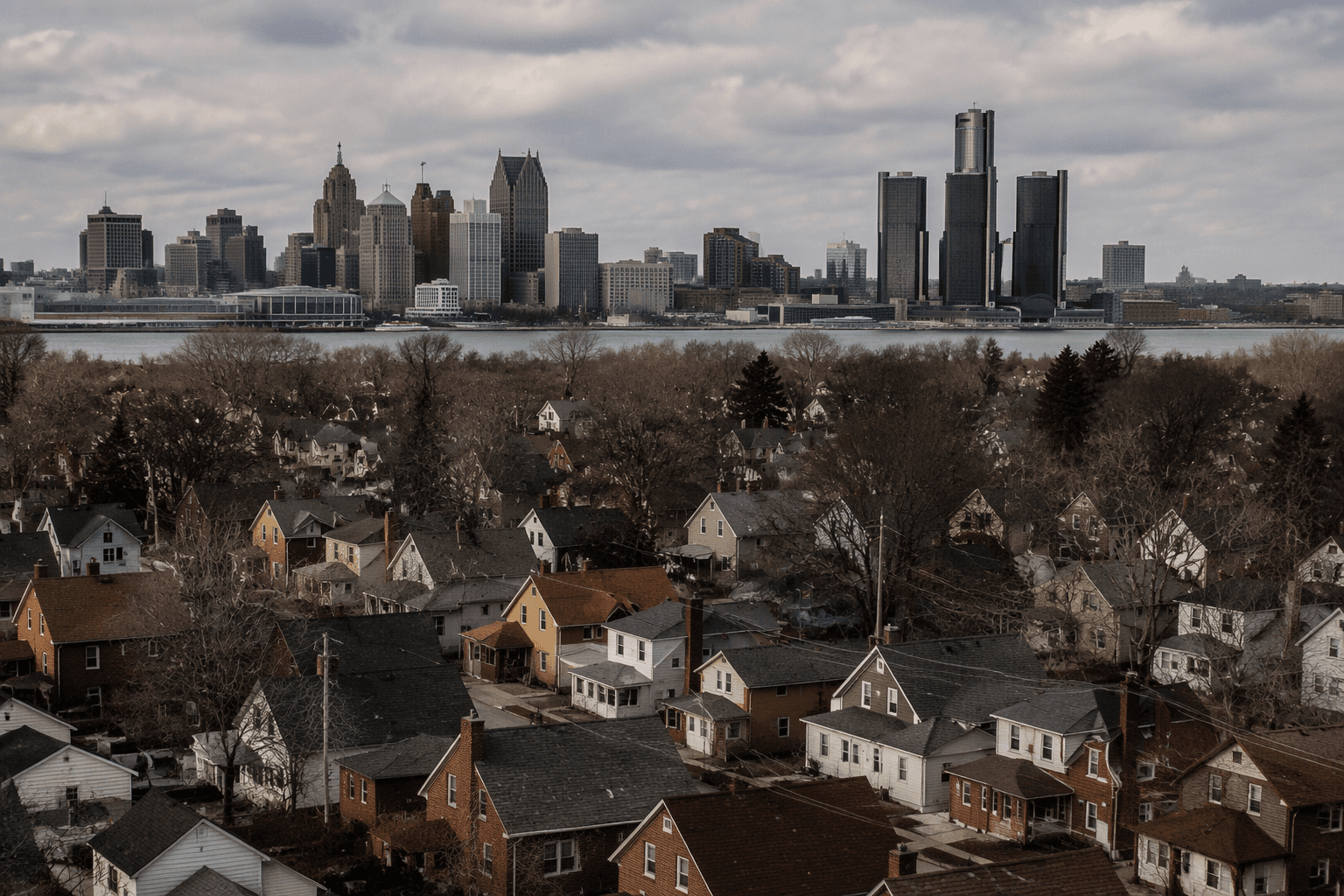
That history is why El-Sayed’s race has become more than a state contest. Sanders used the rally to cast El-Sayed as a candidate taking on billionaires, a message designed to resonate with voters angry about economic power rather than ideological labels. But the electability question remains whether that style of politics can win back working-class voters in places like Michigan without pushing away independents and swing voters who decide close races.
The geography of the state makes that calculation even harder. Bridge Michigan has described six regions that view politics very differently and may decide the election, underscoring how little margin either party has statewide. In that environment, turnout from the Democratic base in Detroit and other urban centers may not be enough unless a nominee can also hold parts of the white working-class electorate that has drifted toward Republicans in recent cycles.
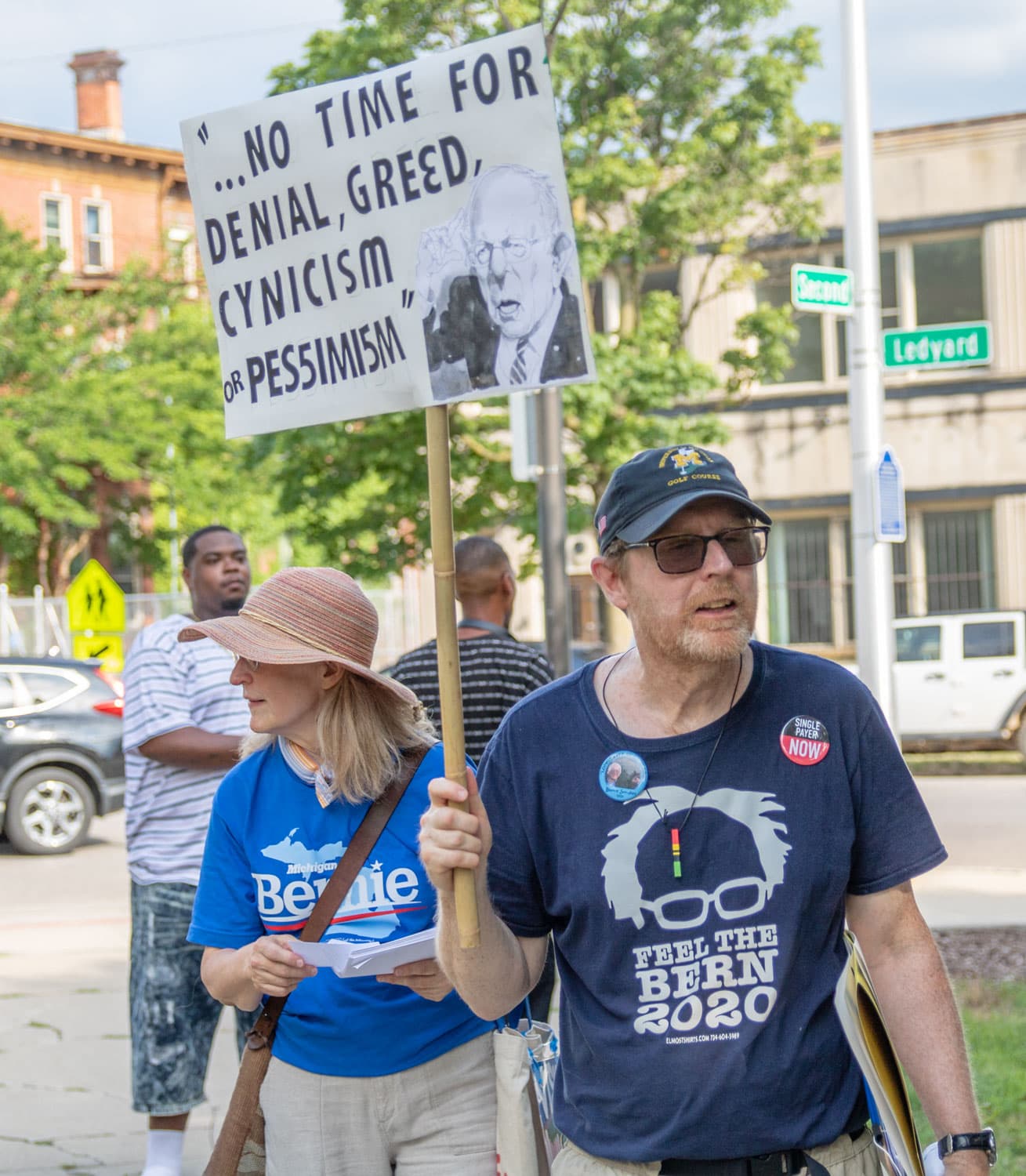
That tension has been visible well beyond Michigan. Third Way published its Renewing the Democratic Party message in February 2025, reflecting centrist anxiety about rebuilding a durable coalition, while Brookings has broken working-class voting into multiple blocs rather than treating it as a single constituency. Michigan now sits at the center of that argument: whether a left-populist message can expand the map or whether it only deepens the party’s divide between energized activists and the voters who usually settle general elections.
This article was produced by Prism’s automated news system from verified source data, official records, and press releases, then run through automated quality and moderation checks before publishing. The system is built and supervised by the people who set the standards it runs under. Read our full AI policy.
Did this article answer your question?