Michigan Woman Vanishes, Family Suspects Husband but Lacks Physical Evidence
Dale Warner was convicted of killing his wife Dee after her body was found sealed inside an ammonia tank, but prosecutors had already charged him without it.
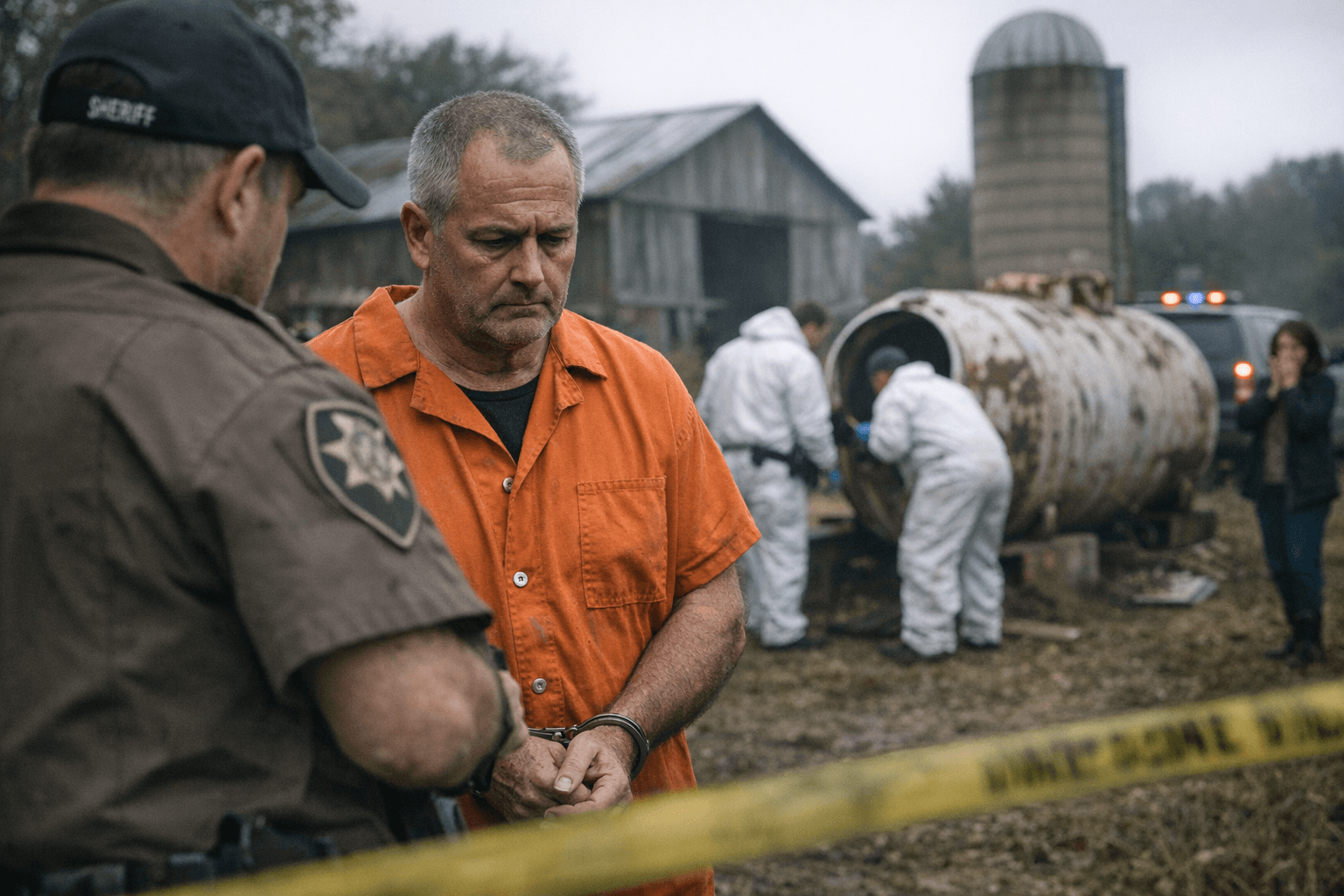
When Dee Ann Warner vanished from her Lenawee County farm on the night of April 24, 2021, Michigan investigators faced a problem familiar to cold-case prosecutors across the country: a family that knew who was responsible and a legal system that demanded proof beyond a reasonable doubt. Her husband, Dale Warner, told police she had left on her own. Without a body, proving otherwise looked almost impossible.
The couple had fought over money and their farming and trucking businesses, and Dale had been spying on Dee, suspecting her of having an affair. On the night before her disappearance, Dee told Dale that she wanted a divorce and sell their trucking business. That night, the couple's nine-year-old daughter stayed with friends, leaving Dee and Dale alone at home. By morning, Dee was gone.
In November 2023, more than two years after Dee's disappearance, Dale Warner was arrested and charged with murder and tampering with evidence, before her body had been found. Prosecutors believed they could prove Dee was dead and Dale was responsible. What made that prosecutorial bet credible was a digital trail Dale had left without seeming to realize it. Police discovered he had searched "how to dispose of a thousand-gallon propane tank" on his iPad in May 2021, after Dee had already gone missing. Combined with surveillance footage from April 25, 2021, showing Warner gathering welding supplies, investigators obtained a search warrant for tanks that had been rewelded.
That digital evidence changed everything about the physical search. Searches were conducted over more than 3,000 acres, focusing on properties owned or contracted by Dale and Dee Warner, and investigators suspected Dee might be welded inside a tank and buried. On Aug. 16, 2024, state police found human remains hidden inside a sealed fertilizer tank on Dale's property. At the Paragon Road property, investigators found tank No. 34 bearing a handwritten tag that read "bad dip tube, do not use" and stored separately from other containers. When they X-rayed the tank and used a camera to look inside, they found Dee's remains: wrapped in a tarp, in her pajamas, her face and neck duct-taped. Dental records confirmed the remains belonged to Dee.
The forensic case assembled at trial wove together layers of evidence that no single piece could have sustained alone. Prosecutors said Dale's fingerprint was found on the ammonia sticker attached to the tank. Paint samples from the tank were consistent with paint from the old shop on the Munger Road property. Medical experts testified that Dee Warner died of strangulation and blunt force trauma. Prosecutors also pointed to burns on Dale's arms consistent with welding, and asked jurors to compare the handwriting on the tank's tag to entries in planners recovered from his truck.
Defense attorney Mary Chartier, during closing arguments, ridiculed the prosecution's case, saying it provided little direct evidence supporting their theory of what occurred. The defense argued that investigators found no blood or hair at the scene, that the fingerprint on the tank did not indicate when it was placed there, and that investigators had not tested fingernail clippings from Dee for Dale's DNA.
The jury was unconvinced. The jury of seven men and five women deliberated nine hours over two days before finding Dale Warner guilty of second-degree murder and tampering with evidence on March 10, 2026. Most of the evidence presented by prosecution witnesses was circumstantial. The Dee Warner case now stands as a template for how digital searches, surveillance footage, financial conflict, and forensic inference can substitute for what investigators cannot find: demonstrating not just that someone is dead, but that a specific person ensured the body would never be found.
This article was produced by Prism’s automated news system from verified source data, official records, and press releases, then run through automated quality and moderation checks before publishing. The system is built and supervised by the people who set the standards it runs under. Read our full AI policy.
Did this article answer your question?

