Micron Shares Slide as Rival Plans $10 Billion U.S. Listing
Micron shares dropped nearly 20% from a 3-week high as rival SK Hynix filed to list ADRs in the U.S., threatening to intensify competition in the AI memory market.
Micron Technology spent January as one of Wall Street's hottest trades, surging nearly 50% for the second-best performance in the S&P 500. By April 6, that momentum had reversed sharply, with the stock sitting roughly 20% below the high it hit just three weeks earlier and coming off its worst month in nearly four years. The catalyst sharpening that pressure: a rival's move to plant its flag on U.S. exchanges.
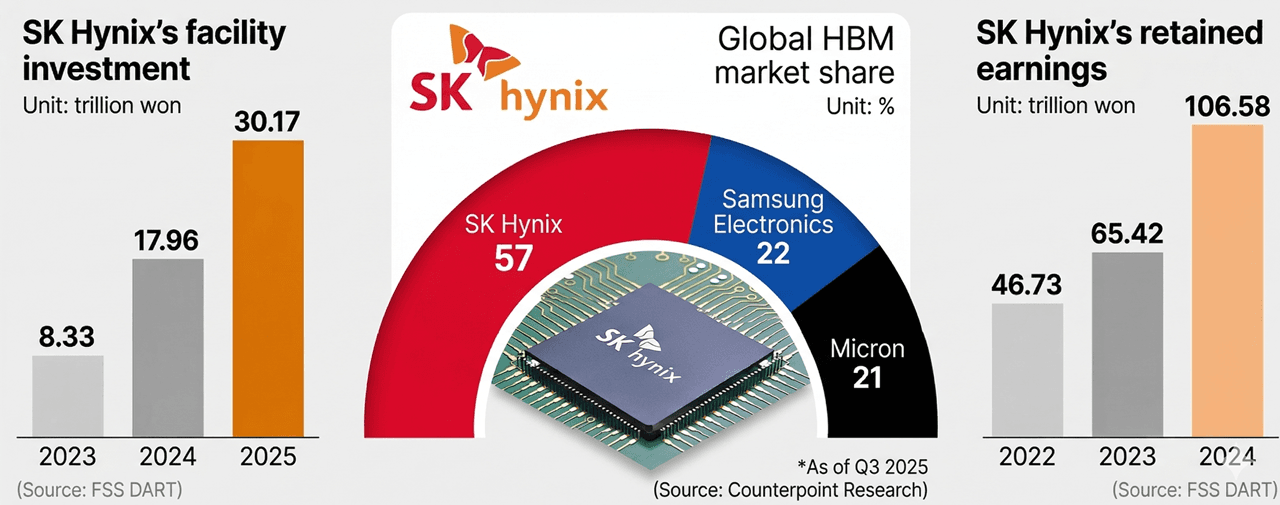
SK Hynix, the South Korean chipmaker that supplies High Bandwidth Memory to Nvidia and controls an estimated 50 to 60 percent of the premium HBM market, filed a confidential Form F-1 registration statement with the Securities and Exchange Commission on March 24, 2026, signaling its intent to list American depositary receipts in the United States this year. The deal, which analysts pegged at potentially raising as much as $10 billion, would rank among the largest U.S. debuts by a foreign company in recent memory.
For Micron, ranked third globally among memory chip producers, the listing carries implications that go beyond equity market optics. SK Hynix has historically traded at a lower price-to-earnings multiple than its Idaho-based rival despite its commanding position in the highest-margin segment of the memory market. A U.S. listing would allow institutional investors to size up the two companies side by side, and crucially, it would hand SK Hynix a direct pipeline to U.S. capital at precisely the moment both firms are racing to expand capacity for AI-accelerated workloads.
That capital race is the core of the competitive threat. Proceeds from the ADR offering are expected to fund SK Hynix's aggressive buildout of advanced memory production, including a $3.87 billion advanced packaging facility in Indiana focused on HBM4 chips destined for Nvidia's next-generation GPU platforms. More supply coming online from a better-capitalized rival raises the prospect of pricing pressure on Micron's own memory lines before AI-driven demand has fully absorbed the existing inventory overhang.
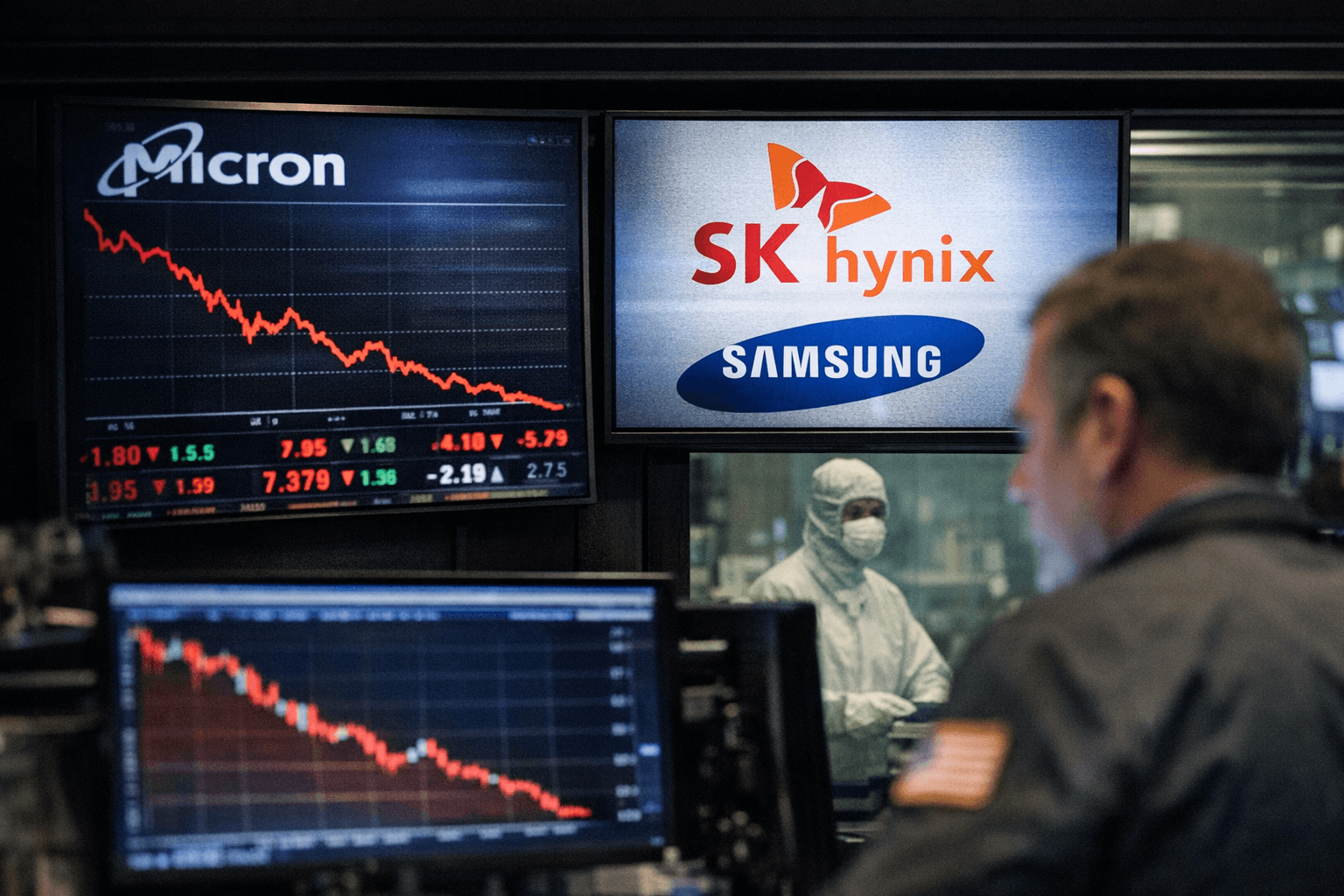
The memory chip sector has always been punished by the gap between when capacity investments are committed and when demand catches up. AI server spending has materially boosted orders for high-performance DRAM and NAND, but the cycle has not been eliminated, only reshaped. Broader market anxiety linked to geopolitical uncertainty added another layer of turbulence to Micron's recent slide. Micron's fundamental story, tied to rising memory content per AI server and a competitive technological roadmap, has not changed. What changed is the competitive cost of executing on it.
Investors will be watching Micron's next earnings report and any customer demand signals from major cloud providers for evidence that AI-driven absorption can outpace the capacity expansion SK Hynix's listing would finance.
This article was produced by Prism’s automated news system from verified source data, official records, and press releases, then run through automated quality and moderation checks before publishing. The system is built and supervised by the people who set the standards it runs under. Read our full AI policy.
Did this article answer your question?

