Micron warns AI-driven memory crunch is “unprecedented” and will outlast 2026
Micron executives say surging demand for high-bandwidth memory is creating an unprecedented supply squeeze, raising prices and straining electronics supply chains beyond 2026.
Micron Technology executives are sounding the alarm that a rapid pivot to high-bandwidth memory for AI accelerators has produced an “unprecedented” shortage that will extend past next year, reshaping chip supply chains and boosting prices across the memory market. The warning, delivered in public comments and the company’s fiscal first-quarter earnings briefing in January, underscores how AI workloads are consuming wafer capacity at a rate that conventional memory makers did not anticipate.
Micron’s executive vice president and chief business officer, Sumit Sadana, told CNBC at CES that “we're sold out for 2026,” adding that “at most, Micron can only meet two‑thirds of the medium‑term memory requirements for some customers.” CEO Sanjay Mehrotra said on the company’s quarterly call that supply constraints are expected to “persist beyond calendar 2026.” Company executives described the shortage as unprecedented and part of a structural shift toward higher-margin products, notably high-bandwidth memory, or HBM, and server DRAM used in data centers and AI accelerators.
HBM consumes far more wafer capacity per bit than conventional DRAM and 3D NAND used in consumer devices. Micron has estimated that producing one bit of HBM requires forgoing three bits of standard memory, a tradeoff that has forced memory makers to reallocate production lines and squeeze supply for PCs, mobile devices, and embedded systems. Even as Micron accelerates capital spending on new fabs, management told investors that coming plants will not immediately eliminate the shortfall; two large facilities in Boise, Idaho, are expected to begin production in 2027 and 2028, and a planned Clay, New York, site could come online around 2030.
The reallocation of wafer capacity has rippled through markets. Market research firm TrendForce described sharp price moves, reporting that conventional DRAM contract prices rose 55 to 60 percent in the fourth quarter of 2025 and were forecast to rise similarly in the first quarter of 2026, while server DRAM was projected to increase by more than 60 percent quarter over quarter. Traders and analysts responded quickly: shares of some memory and storage suppliers jumped after high-profile industry comments at CES, and vendors announced dramatic price increases for enterprise products.
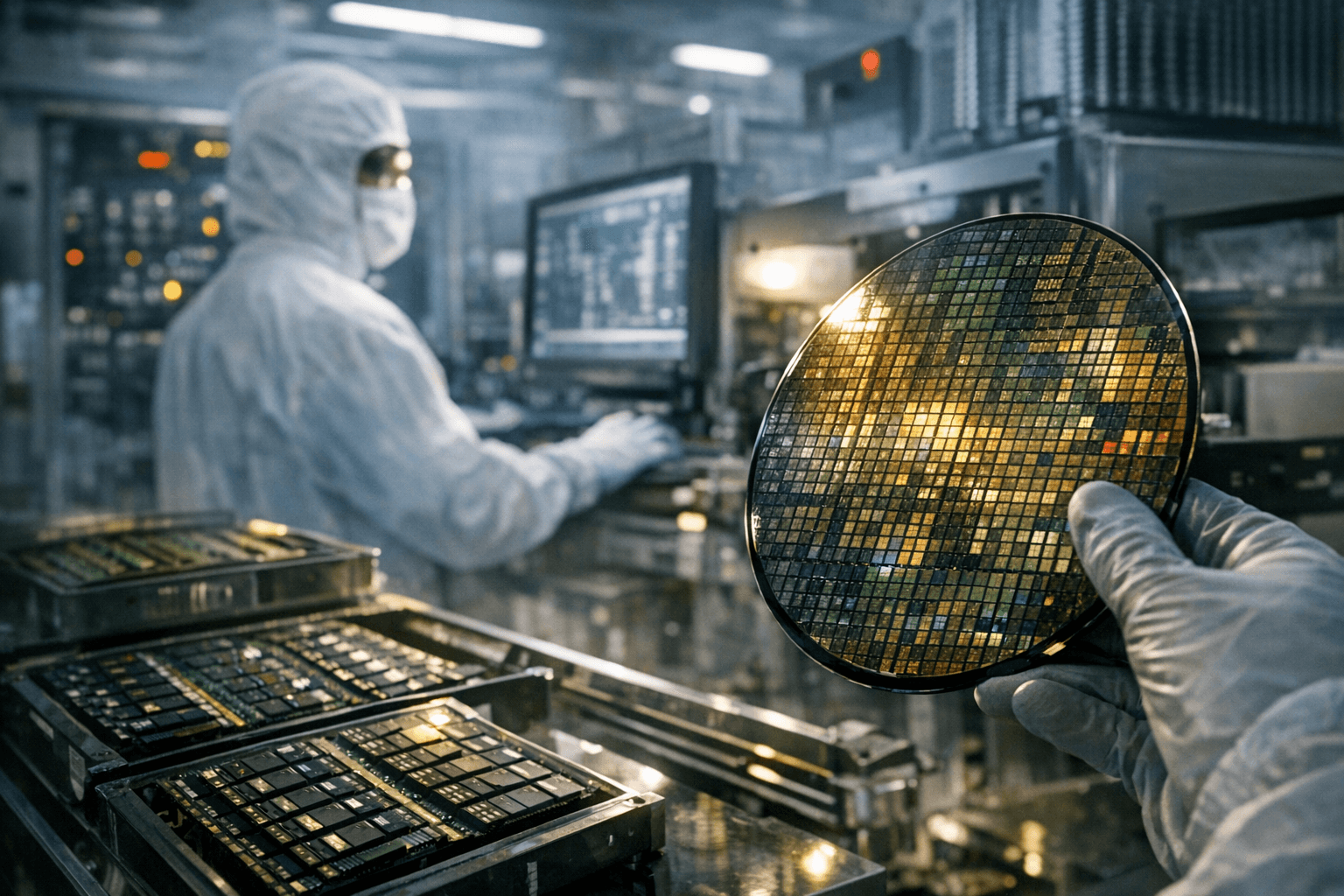
The supply shift has also prompted strategic changes at vendors. Micron has signaled a pullback from parts of its consumer business to prioritize server and accelerator supply, and other major suppliers are reprioritizing allocations and reworking contract strategies. Samsung Electronics and SK Hynix have focused capacity and pricing on server and HBM customers, reinforcing upward pressure on prices for consumer RAM and SSDs and creating allocation risk for electronics manufacturers and procurement teams.
Some industry observers offer differing timelines for relief. A trade outlet suggested the squeeze could last until 2028 as new fabs ramp slowly, while Micron’s management cautioned that meaningful easing should not be expected within calendar 2026. Governments are also responding: programs to bolster legacy chip capacity and foundry initiatives are being discussed in Seoul and other capitals as policy makers weigh investments to stabilize supply chains.
The result is a market where AI demand is reshaping industrial priorities, raising costs for downstream customers and forcing a multi-year expansion of production. Until new capacity comes online and demand growth moderates, businesses and procurement teams should prepare for higher memory prices and ongoing allocation challenges.
This article was produced by Prism’s automated news system from verified source data, official records, and press releases, then run through automated quality and moderation checks before publishing. The system is built and supervised by the people who set the standards it runs under. Read our full AI policy.
Know something we missed? Have a correction or additional information?
Submit a Tip