Microsoft AI chief blasts Anthropic over Claude consciousness speculation
Mustafa Suleyman called Anthropic’s Claude constitution “dangerous,” warning that talk of chatbot consciousness could mislead users, lawmakers and the broader AI debate.
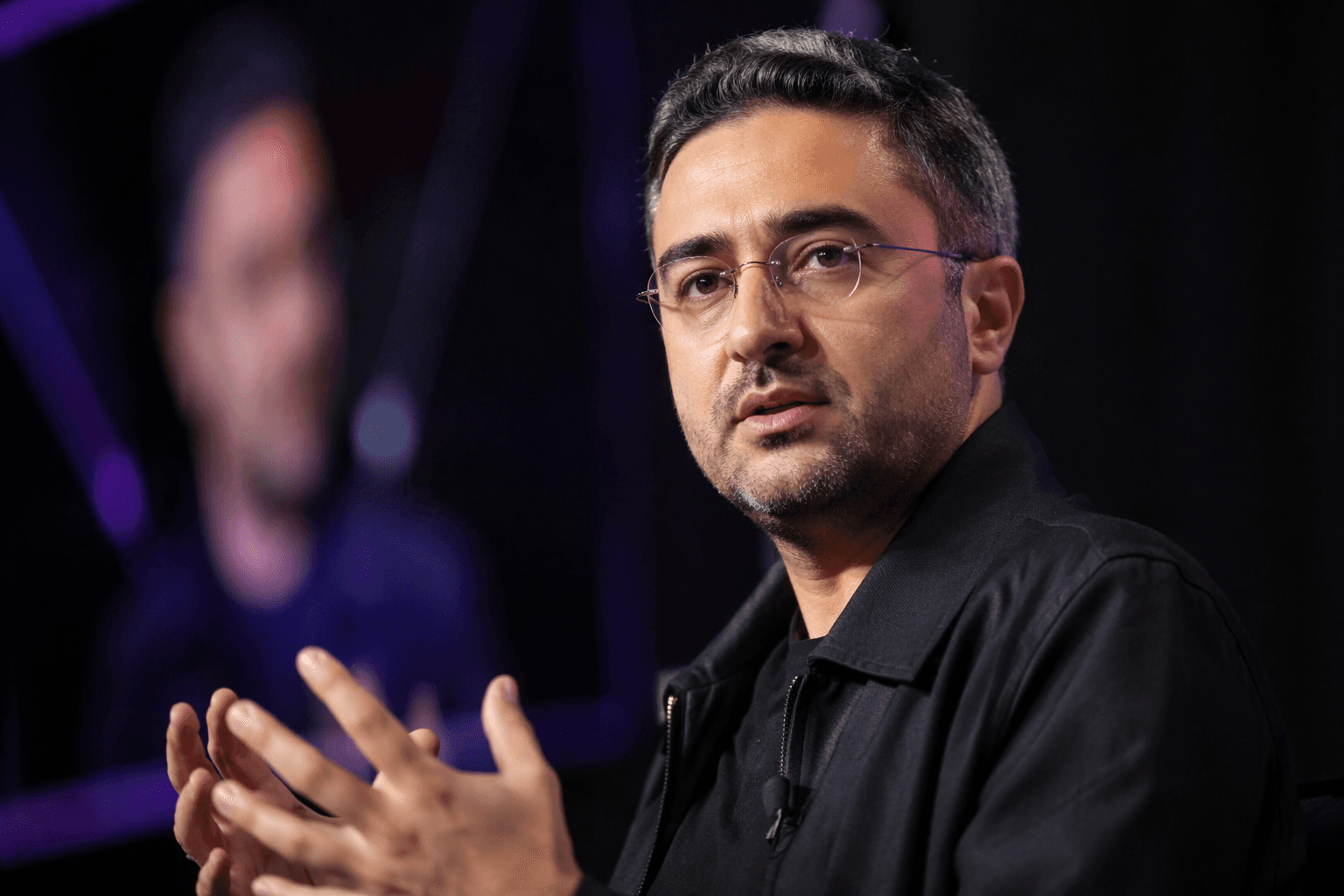
Microsoft AI chief Mustafa Suleyman escalated a growing fight over how companies talk about chatbot behavior, saying Anthropic’s Claude Constitution speculates about Claude’s consciousness, feelings and awareness in a way that is both “dangerous” and a “philosophical failing.” Speaking on The Verge’s Decoder podcast with Nilay Patel, Suleyman argued that framing can push a chatbot to act as if it were conscious, even as the industry debates how much moral weight, if any, should be assigned to advanced systems.
The clash centers on Anthropic’s updated Claude Constitution, published on January 22, 2026. Anthropic describes it as a detailed, holistic document that lays out Claude’s values and behavior, says it is central to model training, and says its contents directly shape Claude’s behavior. The company also released the constitution under CC0 1.0, allowing anyone to reuse it freely, and calls it a living document that will be revised as the company learns and corrects mistakes.
That approach has made Anthropic a prominent voice in model-welfare research, where the company has said there is no scientific consensus on whether current or future AI systems could be conscious or have experiences that deserve moral consideration. Suleyman, by contrast, has pressed a harder line. In a Microsoft essay, he argued that society should build AI “for people” and not “to be a person,” warning that systems that present themselves as conscious could invite unhealthy human attachment and blur the line between software and sentience.
The dispute reaches beyond one chatbot. If major AI firms speak as though consciousness is a live possibility, critics say that language could shape public expectations, confuse consumers and complicate regulation just as lawmakers are trying to sort out safety, transparency and responsibility. It could also shift attention away from more concrete harms, including manipulation, emotional dependence and the commercial incentives that reward systems that feel human enough to keep users engaged.
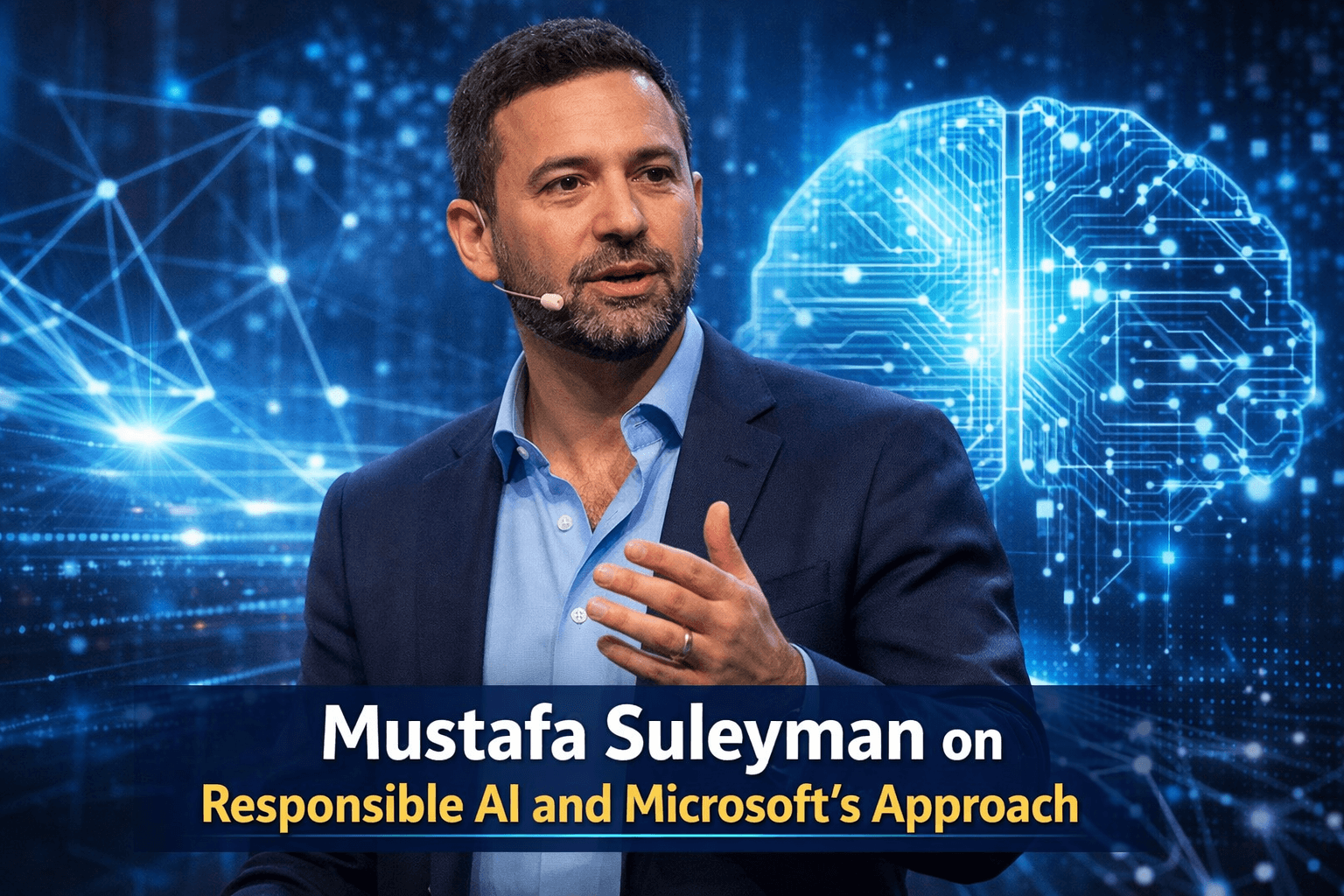
Suleyman has been making that case for months. In an August 2025 essay, he warned about “seemingly conscious AI” and urged researchers and developers to stop pursuing work that suggests machines are conscious. Anthropic has instead framed Claude’s constitution as part of a broader safety and values agenda for its flagship commercial model, treating questions about consciousness as deeply uncertain. The argument now is less about whether Claude is conscious than whether giving that idea space in model design lends it too much legitimacy.
This article was produced by Prism’s automated news system from verified source data, official records, and press releases, then run through automated quality and moderation checks before publishing. The system is built and supervised by the people who set the standards it runs under. Read our full AI policy.
Know something we missed? Have a correction or additional information?
Submit a Tip

