Microsoft Pledges $10 Billion to Expand AI, Cybersecurity Efforts in Japan
Microsoft committed $10 billion to Japan's AI infrastructure and cybersecurity, pledging to train 1 million engineers by 2030 alongside partners SoftBank and Sakura Internet.
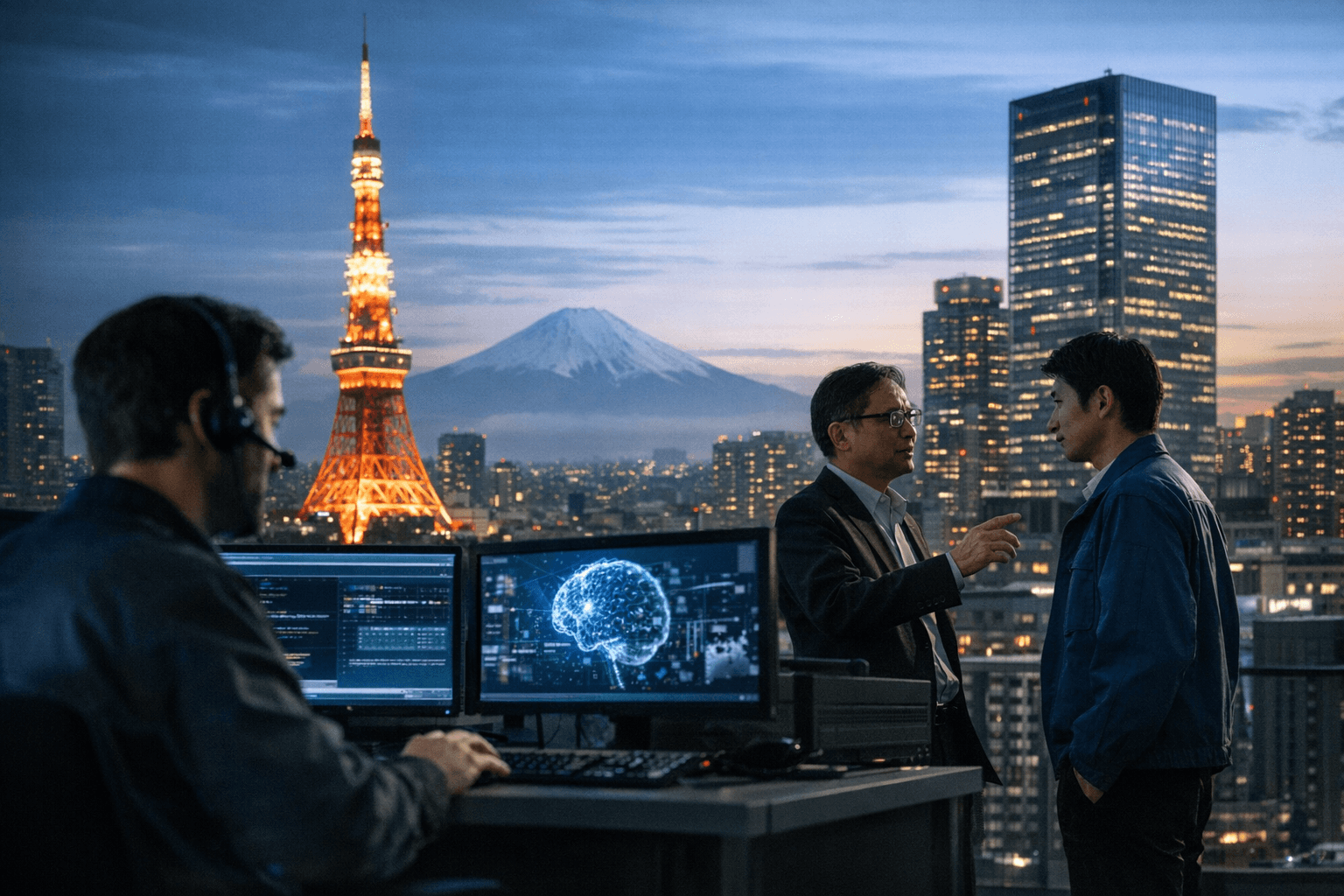
Microsoft Vice Chair and President Brad Smith traveled to Tokyo to unveil a 1.6 trillion yen commitment, equivalent to roughly $10 billion, that the company said will reshape Japan's artificial intelligence landscape and deepen security ties between two of the world's most consequential technology partners.
The pledge, announced April 3 and set to run through 2029, covers three interconnected priorities: expanding AI-ready cloud and data-center infrastructure inside Japan, training 1 million engineers and developers by 2030, and broadening cybersecurity intelligence sharing with Japanese government authorities. Smith made the announcement during meetings with Prime Minister Sanae Takaichi and other senior officials, framing the package as aligned with Tokyo's strategy to leverage advanced technologies for national growth and security.
At the core of the infrastructure plan is a commitment to give Japanese companies and government agencies the ability to keep sensitive data within the country while still accessing Microsoft Azure services, a data sovereignty provision that could ease compliance burdens in heavily regulated sectors like finance and defense contracting. Microsoft named SoftBank and Sakura Internet as local partners in the effort, and investors noticed immediately: Sakura Internet shares jumped on the news as markets anticipated the company would benefit from infrastructure build-out and GPU placements on Japanese soil.
The workforce component addresses a documented gap. Japanese government estimates referenced by Microsoft project a multi-million worker shortfall in AI and robotics skills by 2040, and the target of training 1 million engineers by 2030 represents a direct attempt to close that window before the crisis deepens.
On the security front, Microsoft pledged to deepen intelligence sharing with Japanese authorities on cyber threats and crime prevention, reinforcing what has become an increasingly prominent national-security dimension to U.S.-Japan technology cooperation. The timing reflects broader geopolitical currents, with Washington growing more focused on China's expanding technological and military capabilities.
The announcement builds on prior Microsoft investments in Japan but represents a meaningful step up in both scale and the explicitness of the security cooperation. For competing cloud providers vying for Japanese enterprise and government contracts, the move raises the competitive floor, and observers suggested it could push rivals toward similar, locally anchored commitments across the Asia-Pacific region.
This article was produced by Prism’s automated news system from verified source data, official records, and press releases, then run through automated quality and moderation checks before publishing. The system is built and supervised by the people who set the standards it runs under. Read our full AI policy.
Did this article answer your question?