Microsoft posts strong quarter but flags heavy AI capex burden
Microsoft beat estimates with $81.3 billion revenue and $4.14 adjusted EPS, but warned that rising AI-driven capital spending could weigh on near-term margins.

Microsoft beat Wall Street expectations in its fiscal second quarter, reporting roughly $81.3 billion in revenue and adjusted earnings per share of $4.14, while its Microsoft Cloud franchise topped $50 billion for the quarter. The results reinforce the company’s AI-led growth strategy even as management signaled that investment in infrastructure will materially increase spending and compress margins in the near term.
Azure and the Intelligent Cloud business remained the central growth engines, with commercial signs pointing to sustained demand. Commercial remaining performance obligations rose 51% to $392 billion, indicating a strong pipeline of contracted future revenue. Adoption of Microsoft 365 Copilot contributed to higher revenue per user in Microsoft 365 commercial offerings, and company executives said Copilot products now have about 100 million monthly active users, underscoring rapid enterprise and consumer uptake.
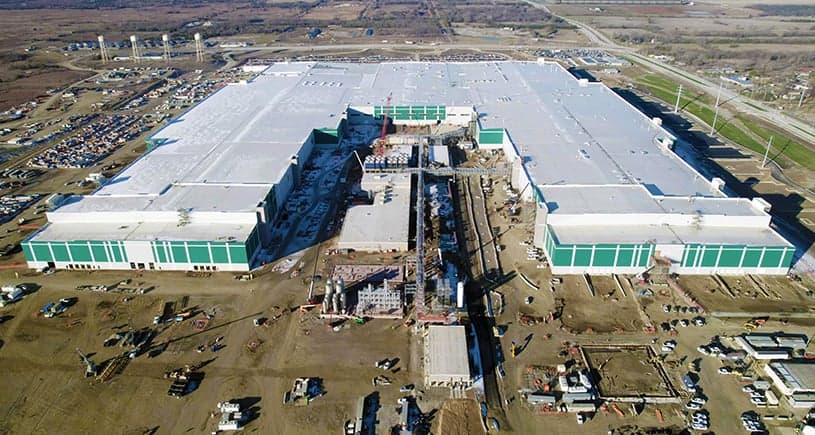
During the quarter Microsoft finalized an updated arrangement with OpenAI, added competing models from Anthropic to its AI portfolio, and expanded Azure Copilot agents across the cloud. Analysts at major firms highlighted an explicit multiyear Azure commitment of roughly $250 billion embedded in the OpenAI agreement, describing the deal as easing uncertainty over infrastructure demand and bolstering visibility into future cloud revenue. To support rising AI workloads, Microsoft is scaling physical capacity through new “Fairwater” super factory data centers and plans to roughly double its global data center footprint over the next two years.
That expansion came with sharply higher cash outlays. Microsoft recorded $24.2 billion in capital expenditures and assets acquired through finance leases for the quarter, up 27% from a year earlier. Company statements and analyst commentary flagged that AI-related capex will remain elevated and could push aggregate capital spending materially higher, with some scenarios projecting multiyear totals that approach the high tens of billions annually. To manage the economics of that buildout, CEO Satya Nadella appointed an adviser on AI economics, signaling that returns on infrastructure will be a boardroom priority.

Higher spending and strategic moves had immediate margin effects. The company posted $1.71 billion in other expense for the quarter, reflecting recognized losses on equity-method investments including those tied to OpenAI; that figure rose from $623 million in the prior quarter. More Personal Computing, which includes Windows, devices, search advertising and gaming, generated $13.45 billion in revenue, up 9% year over year and ahead of consensus. Gartner estimates of a modest PC shipment uptick aligned with Microsoft’s reported growth in device and Windows license sales.
Investors gave a mixed reception: analysts broadly revised forecasts upward before the release, reflecting optimism about Azure and AI demand, yet many cautioned that elevated capex and ongoing regulatory scrutiny could cap near-term margin expansion. Regulators in multiple jurisdictions are probing aspects of Microsoft’s AI and cloud strategy, and investors continue to press for clearer disclosure of the company’s financial exposure to external AI partners.
The quarter illustrated Microsoft’s dual challenge: converting strong AI-driven demand into durable, profitable growth while financing a multiyear infrastructure race that will keep capital intensity high. The coming quarters will test how quickly expanded capacity produces free cash flow and operating leverage sufficient to justify the hefty near-term investment.
This article was produced by Prism’s automated news system from verified source data, official records, and press releases, then run through automated quality and moderation checks before publishing. The system is built and supervised by the people who set the standards it runs under. Read our full AI policy.
Did this article answer your question?