Microsoft refreshes Surface lineup with Snapdragon X2 and AI focus
Microsoft’s new Snapdragon X2 Surfaces promise up to 20 hours of battery life and 80 TOPS AI chips. The bigger question is whether Windows on Arm now feels ready for everyday use.
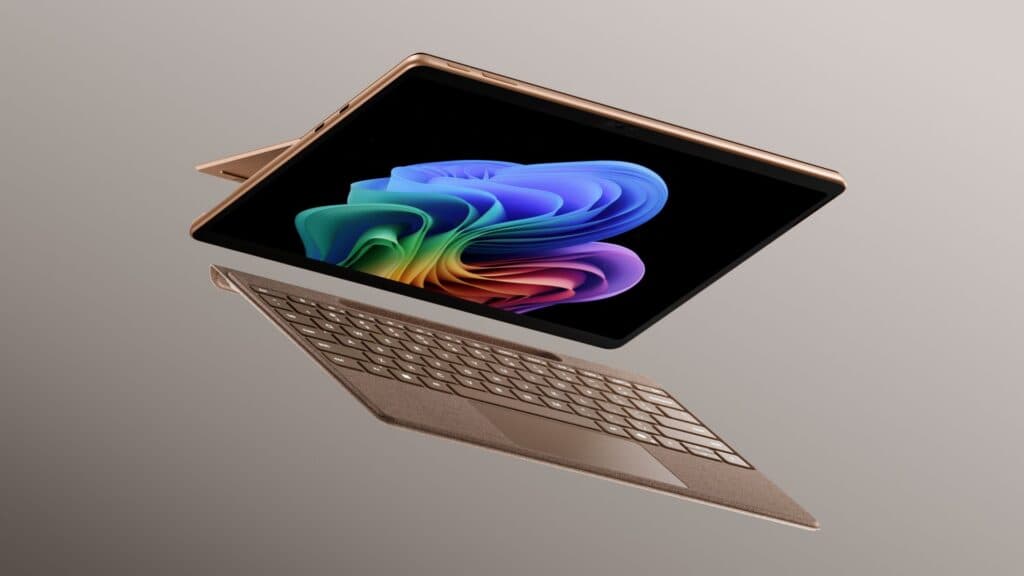
Microsoft refreshed its Surface lineup with two consumer machines built around Qualcomm’s Snapdragon X2 processors, putting battery life, on-device AI and portability at the center of its latest pitch. The new Surface Pro and Surface Laptop went on sale June 16, while Surface for Business versions are set to follow on July 14, underscoring how aggressively Microsoft is separating its consumer Arm strategy from its Intel-based enterprise line.
The 13-inch Surface Pro starts at $1,499 and Microsoft says it delivers up to 53% faster graphics performance than the prior model, along with up to 15.5 hours of battery life. The company is also highlighting a new 1440p ultrawide camera aimed at sharper video calls, a sign that it wants the device to read as more than just a thin tablet with a keyboard.

The Surface Laptop line comes in 13.8-inch and 15-inch sizes and starts at $1,599. Microsoft says the smaller model can last up to 20 hours and the larger one up to 19 hours, figures that put battery endurance at the center of the sales pitch. The Microsoft Store lists the 13.8-inch model with 16GB of memory and 256GB of storage, while the 15-inch version starts with 16GB of memory and 512GB of storage, helping explain the higher entry price.

Microsoft is leaning hard into AI hardware, saying the latest Surface Laptop generation includes 80 TOPS NPUs in Snapdragon X2 Plus and X2 Elite configurations. Qualcomm’s Snapdragon X2 Elite materials also point to an NPU rated at up to 80 or 85 TOPS depending on configuration, with a design emphasis on graphics performance per watt and multi-day battery life. In practical terms, that is Microsoft’s argument that these PCs are built to handle local AI tasks without sacrificing the all-day portability that Windows laptops have struggled to promise.
The company is also trying to sell durability and repairability as part of the premium package. Microsoft says the devices use enclosures made from 100% recycled aluminum and can be repaired with a guided Surface Repair Tool. The Surface Laptop also gets a redesigned haptic touchpad, better Slim Pen integration and a new Jade finish for the smaller model.
Still, Microsoft’s own battery-testing page notes that the numbers come from specific test conditions and can vary with settings and usage, a useful reminder for anyone comparing these claims with rival premium laptops, including Apple’s. Two years after the last Surface Laptop and Surface Pro generations, this refresh looks less like a routine update than a bet that Qualcomm-based Windows machines are ready to move from promise to mainstream choice. By keeping Intel Surface for Business configurations in the mix, Microsoft is making clear that Arm is its consumer future, even as x86 remains its enterprise safety net.
This article was produced by Prism’s automated news system from verified source data, official records, and press releases, then run through automated quality and moderation checks before publishing. The system is built and supervised by the people who set the standards it runs under. Read our full AI policy.
Did this article answer your question?