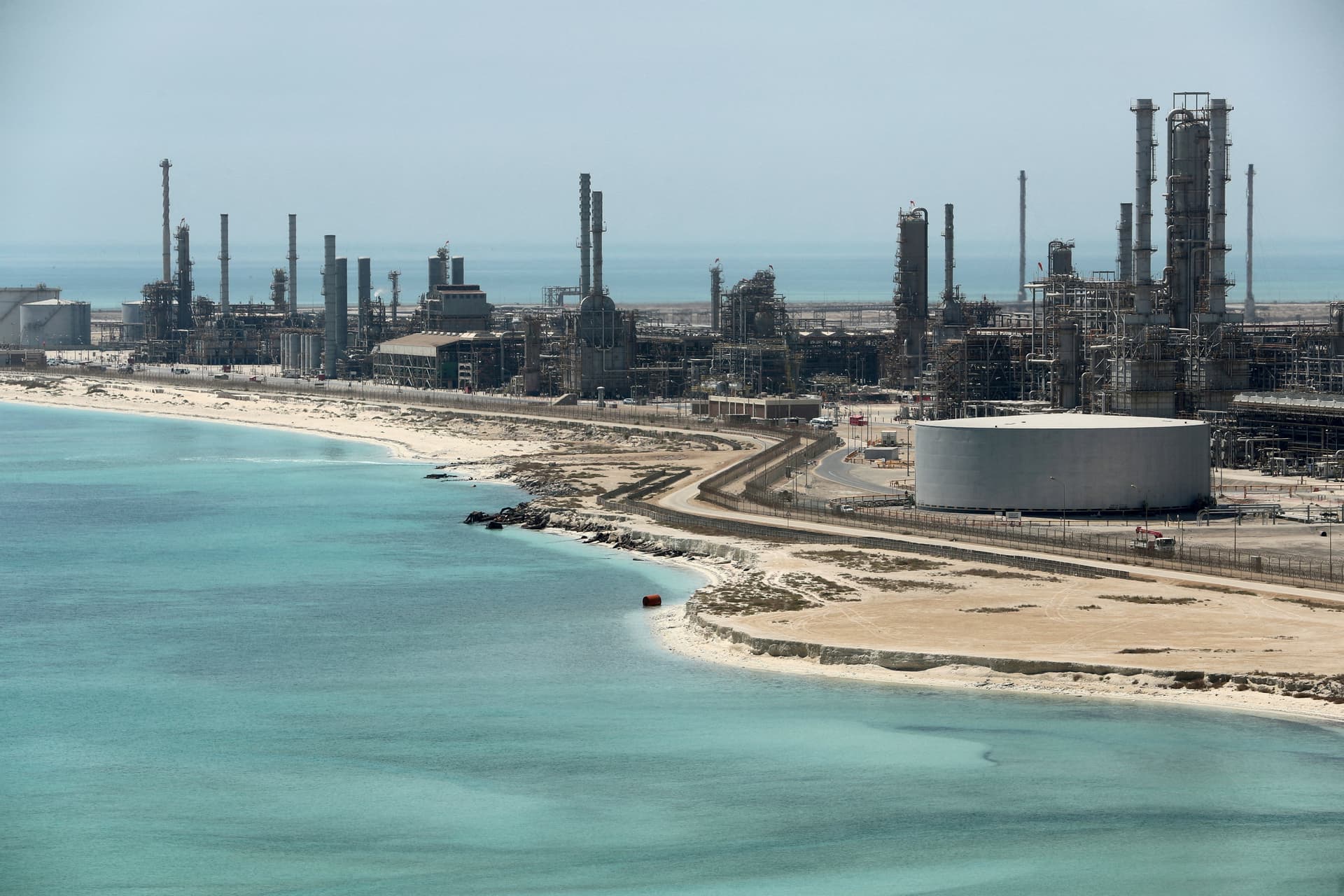
Middle East airspace closures strand travelers as flights plunge
Airspace closures after U.S. and Israeli strikes have grounded thousands of flights and left travelers stranded; experts say risk to airliners is fairly remote.
Drone and missile attacks and retaliatory strikes have effectively closed airspace across swaths of the Middle East, triggering mass cancellations, long detours and thousands of stranded travelers while experts stress the direct danger to commercial airliners is limited.
Flight-tracking analyses show the scope. Flightradar24 data indicates passenger flights operating in the region fell from more than 13,000 on Feb. 28 to roughly 800 on March 1 (UTC time). A snapshot from March 4 shows the skies over Iran, Iraq, Kuwait, Israel, Bahrain, the United Arab Emirates and Qatar virtually empty. Flight-aware tallies used by aviation monitors put cancellations at more than 1,700 as of Tuesday morning, with airline breakdowns cited as Emirates 466, FlyDubai 150 and Qatar Airways 126. “Qatar Airways notified airport staff at Miami International that it plans to cancel flights through at least Thursday,” airline officials said to airport personnel.
Major hubs are affected. Dubai International, Zayed International in the UAE and Hamad International in Doha are among airports facing widespread disruption. Route-by-route snapshots show severe shortfalls: the only scheduled flight to Bahrain is canceled, along with all 11 flights to Israel, 10 of the 15 services to Qatar, and 14 of the 19 scheduled flights to the United Arab Emirates. Several global carriers have halted services or suspended routes, and U.S. carriers have canceled flights to and from some regional destinations through the week.
Travelers in the region report chaotic scenes. A church group from Summerville, South Carolina had its return flights canceled, and Calvary Church pastor Vic Carroll described being moved into airport shelters: “They ushered us into the bomb shelters there at the airport, we got the sirens and the warnings going off, incoming missiles … They give you six or eight or 10 minutes to get to the bomb shelter.” The U.S. State Department has told Americans and flight crews in the region to leave by commercial means.
Safety assessments are mixed but cautious. “Drone and missile attacks have caused high anxiety across the region, but experts say the danger to commercial airliners is ‘fairly remote,’” officials and safety analysts note. “This is not a normal delay story. This is a conflict zone airspace story,” said Hassan Shahidi, president and CEO of the Flight Safety Foundation. “Travelers should absolutely expect uncertainty.” InsureMyTrip CEO Suzanne Morrow advised caution for connecting passengers: “Right now, anyone connecting through major hubs like Dubai, Doha, or Abu Dhabi should assume continued disruption.” Operationally, “You could say the expeditious movement of air traffic is the lowest of the three priorities, but you want to have it safe and orderly to have it expeditious,” Dombroff said. “Airlines are obligated to follow the order of air traffic controllers,” Vasigh added.
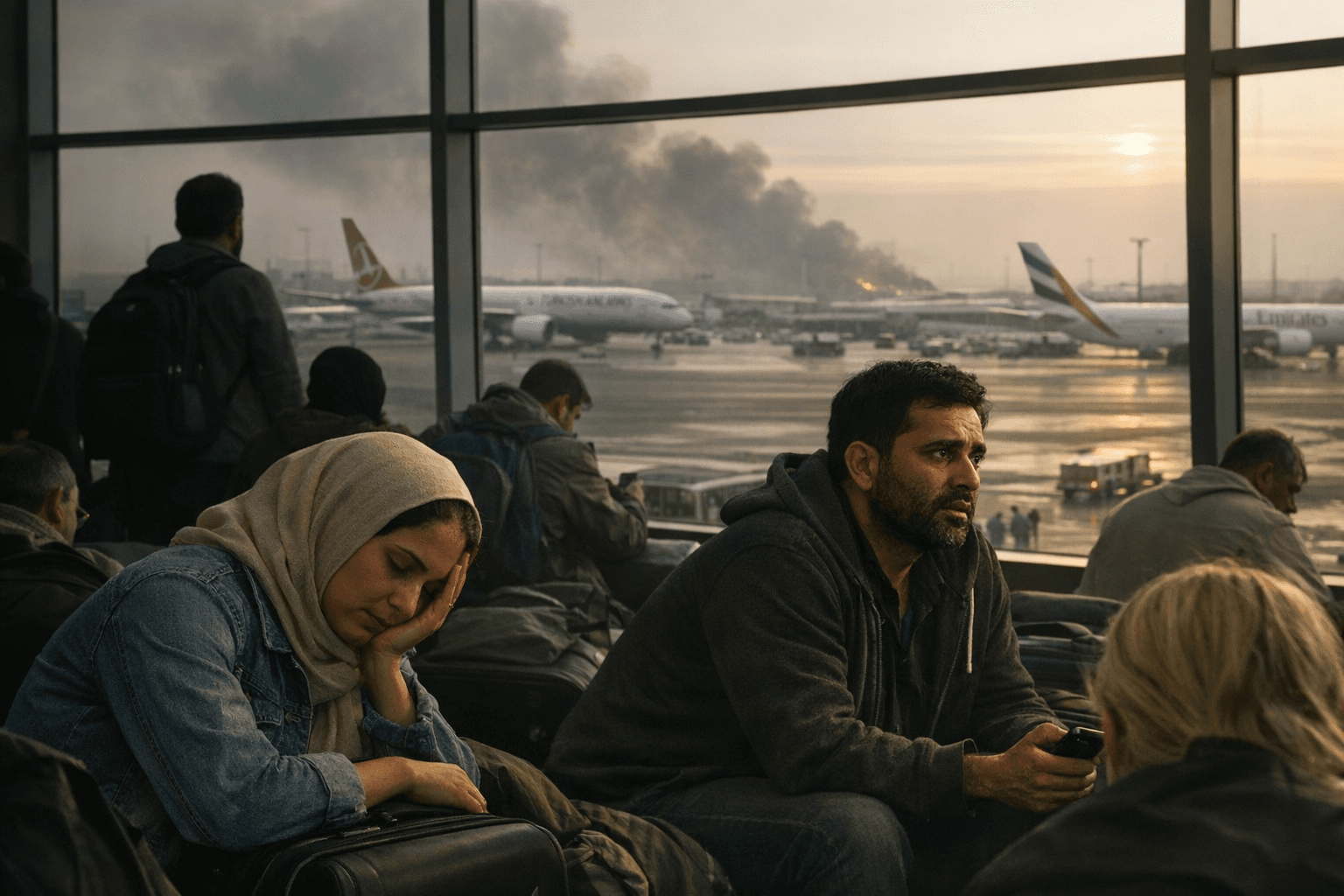
Economic and operational ripple effects are immediate. Airlines are rerouting flights around conflict zones, increasing journey times and fuel usage, and forcing carriers to rebook crews and aircraft. Analysts warn that prolonged disruption could push fares higher and sustain pressure on fuel costs across global markets.
Practical guidance for travelers is clear: postpone nonessential travel, secure refundable or changeable fares, enroll in the State Department’s STEP program for alerts, and check airline conditions of carriage before traveling. If a disruption is outside an airline’s control, passengers are entitled to a refund or rebooking but carriers are not universally required to cover hotels or meals; many Gulf carriers, however, tend to rebook passengers and provide accommodation.
Data caveats remain. FlightAware cancellation counts and Flightradar24 operating-flight snapshots use different methodologies and timestamps; some “as of” figures need calendar verification. Travelers and markets should watch posted NOTAMs, airline notices and official government advisories for hour-by-hour changes.
This article was produced by Prism’s automated news system from verified source data, official records, and press releases, then run through automated quality and moderation checks before publishing. The system is built and supervised by the people who set the standards it runs under. Read our full AI policy.
Did this article answer your question?