Middle East war squeezes India’s jobs, factory demand and remittances
A Kanpur worker who earned 30,000 rupees a month in Saudi Arabia is back at a tea stall as war cuts Gulf jobs and export orders at once.
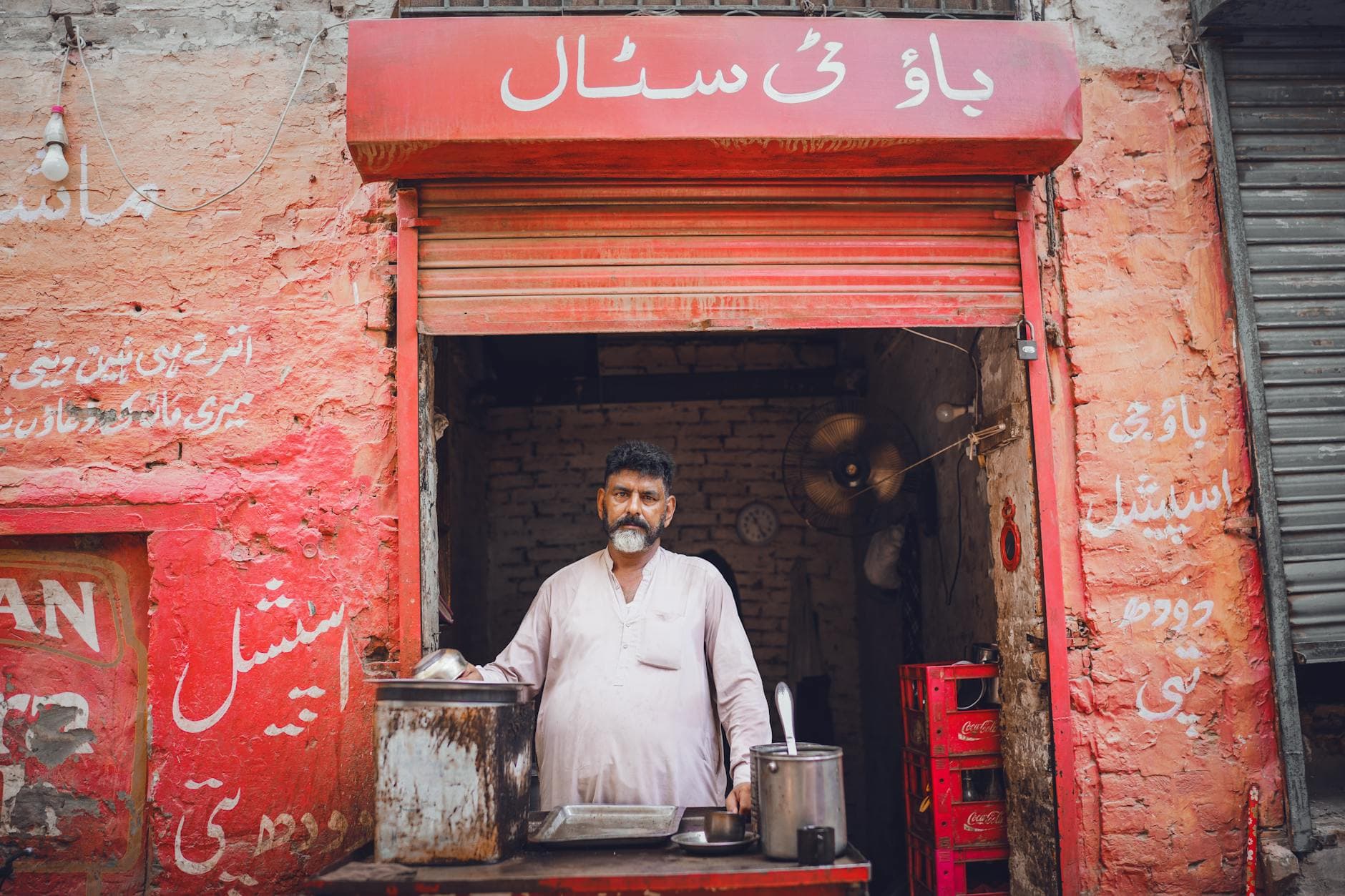
The Middle East war is hitting Indian households through two channels at once: migrant wages are drying up, and factory demand is weakening for labor-intensive exports such as leather goods, footwear, garments and glassware. In Kanpur, the strain is visible in the story of Mohammad Qureshi, a 32-year-old who until January worked in a jewelry shop in Saudi Arabia, earning about 30,000 rupees a month.
That income had been enough to help Qureshi save toward a small house and contribute to his sister’s wedding. Now he is back in Kanpur earning barely a third as much at his cousins’ tea stall, after the conflict disrupted his plans to return to the Middle East. “I pray the war ends soon so we can go back,” he said, a line that captures the uncertainty hanging over families who built their budgets around Gulf paychecks.
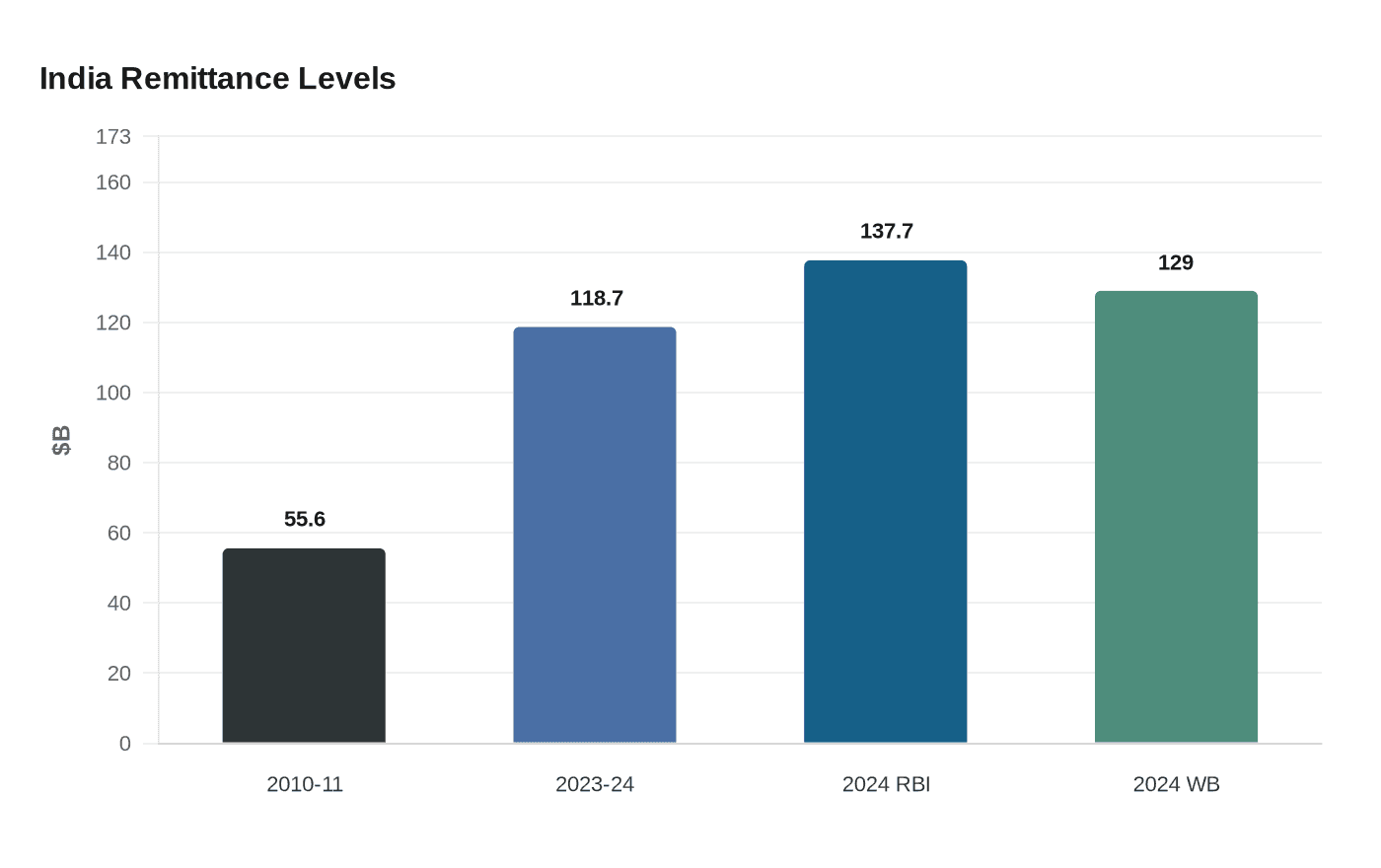
The stakes are large because India’s remittance economy is enormous. The Reserve Bank of India said inward remittances reached $118.7 billion in 2023-24, up from $55.6 billion in 2010-11. The RBI said remittances financed around half of India’s merchandise trade deficit, while total receipts climbed to $137.7 billion in 2024. The World Bank estimated India’s remittance inflow at about $129 billion in 2024, when global remittances to low- and middle-income countries reached $685 billion.
The RBI’s latest remittance survey showed a structural shift, with advanced economies overtaking Gulf economies as India’s largest source of inward remittances in 2023-24. Even so, the Gulf remains critical because it still hosts the largest concentration of Indian migrants and supplies many of the lower-skilled jobs that send cash home. Frontline reported in March 2026 that the six Gulf Cooperation Council countries host about 10 million Indians, and that more than 375,000 people had returned to India since the Israel-Iran war began on February 28.
The labor-market impact is landing just as hiring is already soft. India’s economy is still growing at nearly 7%, and urban unemployment is 6.6%, but economists and recruiters warn that wage growth is slowing and job quality is deteriorating for the 6 million to 7 million young Indians entering the labor force each year. India’s GDP grew 6.5% in 2024-25, yet that resilience does not fully protect migrant households or export hubs if West Asia disruption lasts.
The trade link matters as much as the labor link. India’s Department of Commerce trade analytics show the United Arab Emirates and Saudi Arabia remain key partners and import sources, underscoring how a prolonged regional shock can reach beyond energy and diplomacy into orders, incomes and sentiment. For workers in places like Kanpur, the war is no abstraction: it is a lost job, a thinner remittance and a slower factory floor all at once.
Know something we missed? Have a correction or additional information?
Submit a Tip