Mifflinburg board adopts student name and gender identity policy with conscience protections
Mifflinburg Area School Board approved Policy 216.2 on student name, sex and gender identity; it balances parental rights and staff conscience protections and takes effect after 30 days.
Mifflinburg Area School Board members voted unanimously on January 14 to approve Policy 216.2: Student Records - Name, Sex and Gender Identity, a measure that codifies how the district will handle students’ legal names, sex markers and requests to be addressed differently while explicitly protecting school personnel who object on conscience grounds.
The eight-member board approved the final reading at Tuesday night’s public meeting without public comment and without debate. The policy will go into effect 30 days after staff and parents are notified, officials said. The first reading took place in November, and district leadership said only a few minor edits were made between readings. "It doesn’t change any of the content," Superintendent Dr. Ken Dady Jr. said, noting the alterations were technical. He also cautioned against treating accidental mistakes as misconduct: "If someone makes a mistake because they’ve known someone, we’re not looking for consequences," he said. "If it’s done out of maliciousness, it’s my job to take care of that. I don’t want people to get caught up in the wording."
Policy 216.2 maintains an official record that includes each student’s legal name and sex. The district will change a legal name in records only upon written request from a parent or guardian, an emancipated minor, or an 18-year-old student and submission of legal documentation such as a birth certificate, government ID, passport, marriage license or court order. At enrollment, a parent or guardian indicates the student’s sex for official records; district staff may request the original birth certificate to verify that entry.
The policy seeks to balance student dignity and privacy with parental rights and employee conscience. It instructs staff to treat requests to be addressed differently with respect and allows accommodations such as using a requested form of address or neutral forms of address, including last names or neutral pronouns like "you, they." At the same time the policy states, "Nothing in this policy shall compel school personnel or other students to address or refer to any person in any manner that would violate the conscience of the speaker." It also bars the district from participating in social transition treatments or referring to a student by a name not on legal documents without written permission that relieves the board and employees of liability. The district will not conceal material information about a student’s mental, emotional or physical health from parents or guardians, including information related to gender identity.
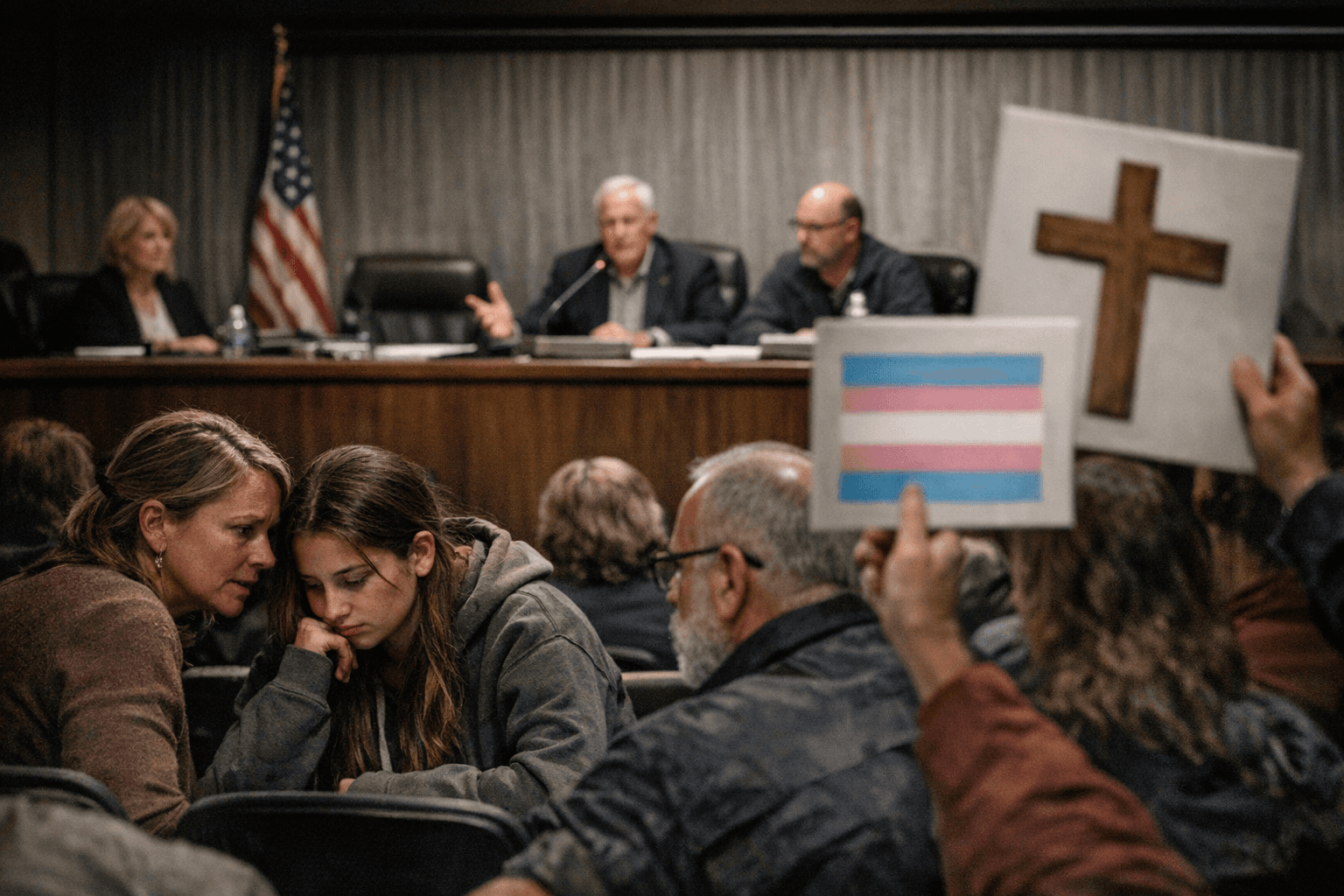
For Union County families and staff, the policy clarifies administrative steps — for example, the need to submit official paperwork to change a legal name — and sets expectations about classroom interactions and confidentiality. Administratively, districts face modest implementation costs, from record updates to staff notification and potential legal review; there are also human-resource implications for recruitment and retention if staff feel their beliefs or obligations are unsettled. Practically, parents who wish to seek record changes should gather the required documentation and follow the written request process; students who are 18 or emancipated may act for themselves.
The board’s unanimous vote closes this chapter for now but signals ongoing local debate about how schools balance student privacy, parental involvement and employee conscience. The policy’s effect will become clearer as the district notifies families and staff and as individual cases test how those competing interests are managed in everyday school life.
Sources:
Know something we missed? Have a correction or additional information?
Submit a Tip