Military personnel press for Purple Hearts over Havana Syndrome injuries
Soldiers and other U.S. personnel injured in alleged Havana Syndrome incidents press for Purple Hearts, HAVANA Act payouts and a VA diagnostic code.
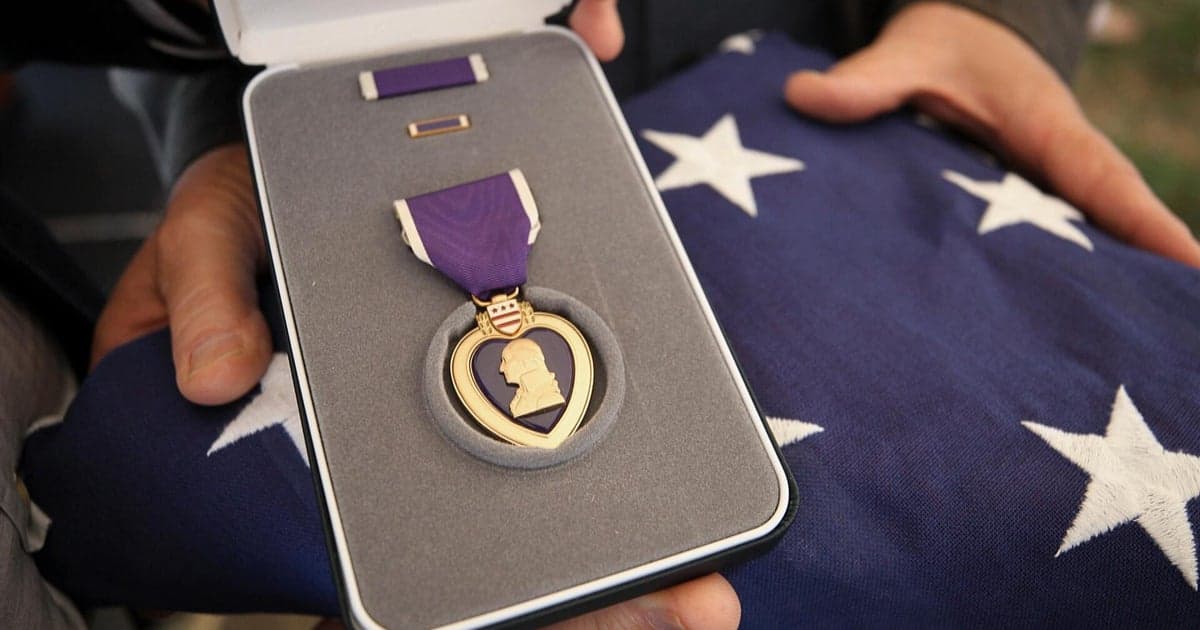
U.S. military personnel who say they have injuries from Havana Syndrome attacks are intensifying demands for official recognition, Purple Hearts and expedited compensation, arguing that lingering neurological and systemic conditions have forced some to leave service and imposed long-term care needs.
The cases date to initial reports from U.S. embassy staff in Havana in 2016 and have since spread to diplomats, CIA officers, military attaches, service members and family members in multiple countries. Estimates vary: one analysis cites "hundreds" affected, while another assessment places the total at "possibly up to 1,500 American officials at home and abroad." Symptoms described in testimony include "debilitating migraines, perceived sounds, dizziness, vertigo, fatigue, nausea, anxiety, cognitive difficulties and memory loss," and advocates say some patients later developed rare cancers, tumors and heart conditions.
The policy debate has two dimensions: scientific causation and the administrative mechanics of care and compensation. On causation, intelligence assessments remain split. A multi-agency review released Friday found that, in the words of officials, "Five intelligence agencies in the review concluded that it is very unlikely that a foreign adversary was behind the incidents." "Two of the agencies, however, reached a different conclusion, finding that there is a possibility that a foreign power may have developed or even used a weapon capable of causing the injuries," the review said. The National Security Council called the divergence a "shift in key judgements by some intelligence components" that "demonstrates the need for additional investigation."
The scientific case has produced competing hypotheses. A declassified late-March-2023 intelligence panel described the illness as a "distinctive, unique, unusual neuro-sensory syndrome ... unreported elsewhere in the medical literature" and identified "pulsed electromagnetic energy" as the most likely mechanism, a form of energy that the panel said could penetrate buildings using "commercial off-the-shelf technology" that is "easily portable and concealable and can be powered by standard electricity or batteries." Other reviews have stopped short of definitive attribution, leaving policymakers without a singular causal finding to guide awards or sanctions.
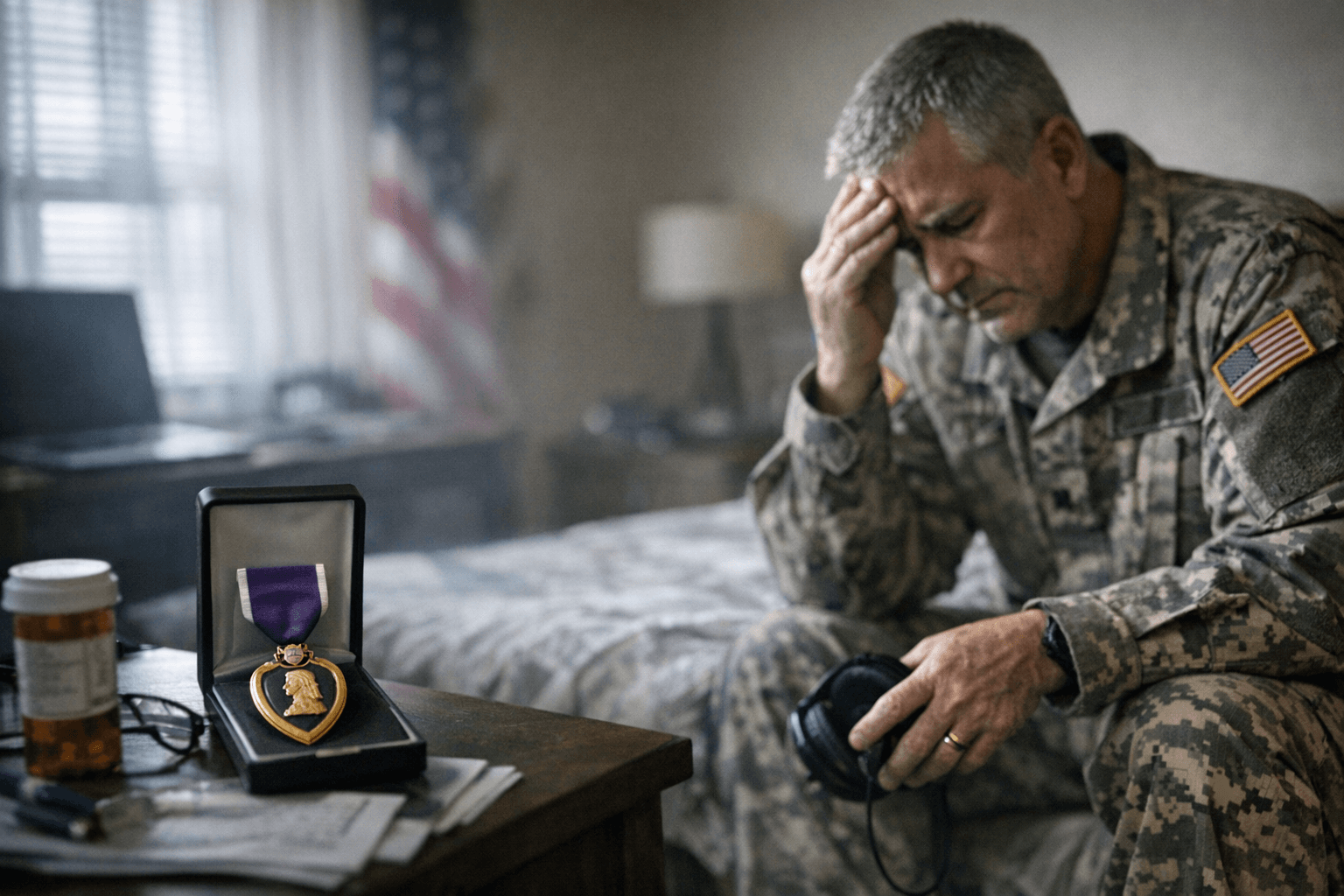
Those practical decisions are now the focus of testimony before Congress and advocacy at agencies. Witnesses urged execution of Defense Health Program funding intended to care for Department of Defense survivors, noting that "Walter Reed is the central hub for US Government AHI care," and pressed for full implementation of the HAVANA Act to deliver payments. "We should fully implement the HAVANA Act to ensure payments are made, and we need a VA Diagnostic code for AHIs to ensure proper compensation and disability benefits for active duty servicemen who are not covered by the HAVANA act," the testimony said. Advocates also argued for awarding Purple Hearts and other honors, noting precedent for recognizing traumatic brain injuries from improvised explosive devices and adding, "We tried working this from 2021 unsuccessfully, similar to our efforts with purple hearts."
The debate has wider institutional consequences. Awarding Purple Hearts or similar recognitions would require DoD and Department of Veterans Affairs policy changes and potentially new diagnostic criteria, while compensation flows under the HAVANA Act and VA codes would reshape benefits eligibility across agencies. The split intelligence judgments complicate those administrative moves, because awards and payments hinge on linking harm to hostile action or service-related exposure.
Lawmakers face a practical choice between fast-tracking relief on the basis of reported injuries and medical need or waiting for a definitive interagency finding on cause. Both approaches carry political and fiscal implications: immediate recognition would provide benefits and symbolic acknowledgment to affected personnel, while delaying action pending consensus risks further erosion of trust among service members who say they were wounded in the line of duty.
This article was produced by Prism’s automated news system from verified source data, official records, and press releases, then run through automated quality and moderation checks before publishing. The system is built and supervised by the people who set the standards it runs under. Read our full AI policy.
Did this article answer your question?