Millbrook and Coosada Settle Boundary Dispute, Clarify Policing and Services
Millbrook and Coosada reached an agreement to settle a boundary dispute and clarify policing and municipal services for affected residents.
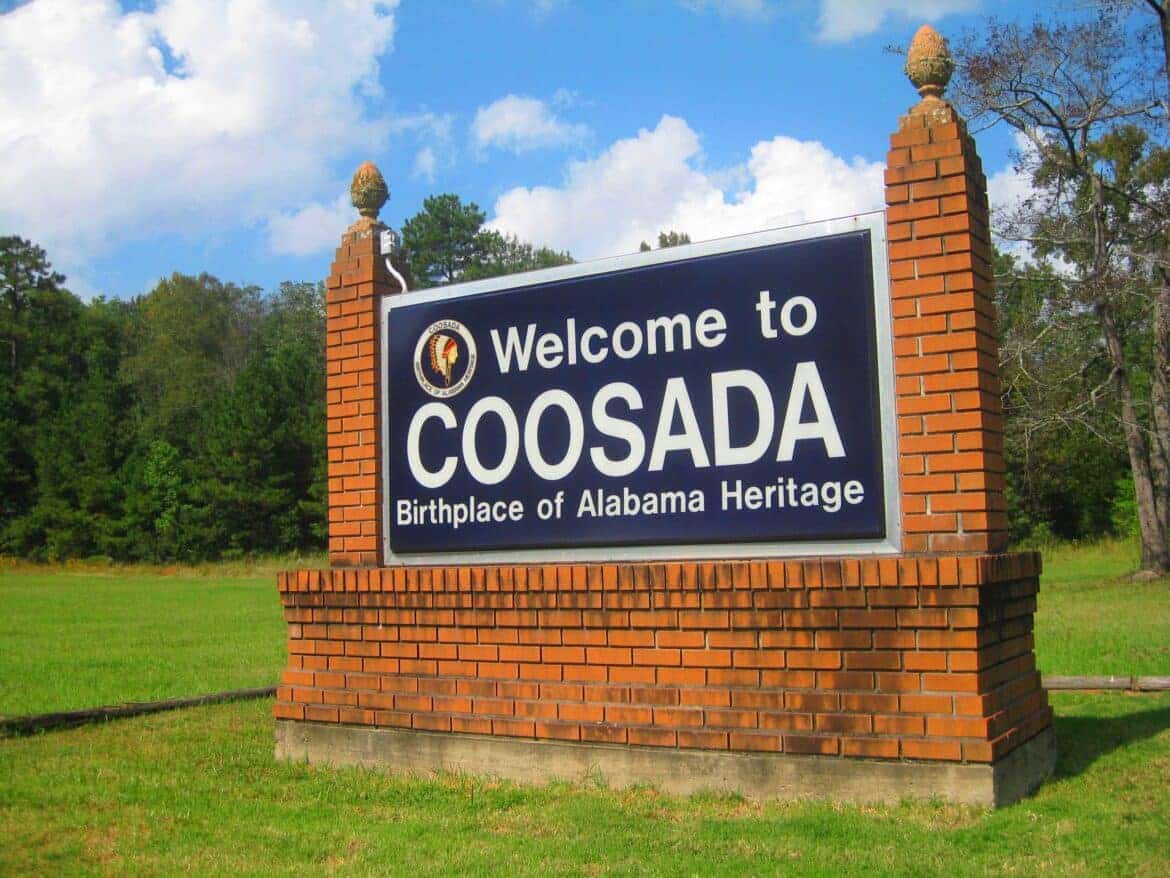
Millbrook and Coosada reached an agreement Jan. 19, 2026, to settle a dispute over jurisdictional boundaries and related municipal matters, resolving questions that had affected policing lines and delivery of municipal services. Local officials from both municipalities said the settlement ends prolonged uncertainty and establishes a framework for cooperative arrangements going forward.
The agreement follows a series of discussions between the two towns aimed at drawing clear lines of responsibility for public safety, code enforcement, and other municipal services. For residents in border areas, the settlement should provide clarity about which town’s police department has jurisdiction and which municipal entity will bill for services or handle permits and code complaints. Officials framed the settlement as a practical step to reduce overlap and improve response times without escalating into prolonged litigation.
Clarifying jurisdiction matters has direct operational consequences. When police boundaries are ambiguous, dispatch and response protocols can be delayed while agencies determine authority. A defined boundary reduces that friction, streamlines mutual aid, and helps administrators assign costs and responsibilities for road maintenance, utilities coordination, and local ordinances. For municipal budgeting and accountability, the settlement reduces fiscal uncertainty by setting expectations for service delivery and potential interlocal cooperation.
There are also civic and electoral implications. Clear municipal borders affect property taxation, service assessments, and voter precinct assignments. County election and property offices typically use municipal boundaries to determine polling locations and tax records, so residents in border neighborhoods should verify their registration and tax status with Autauga County offices to ensure records reflect the new arrangement. Municipal leaders will need to coordinate with county officials to update maps and databases that underpin elections, emergency response, and billing systems.
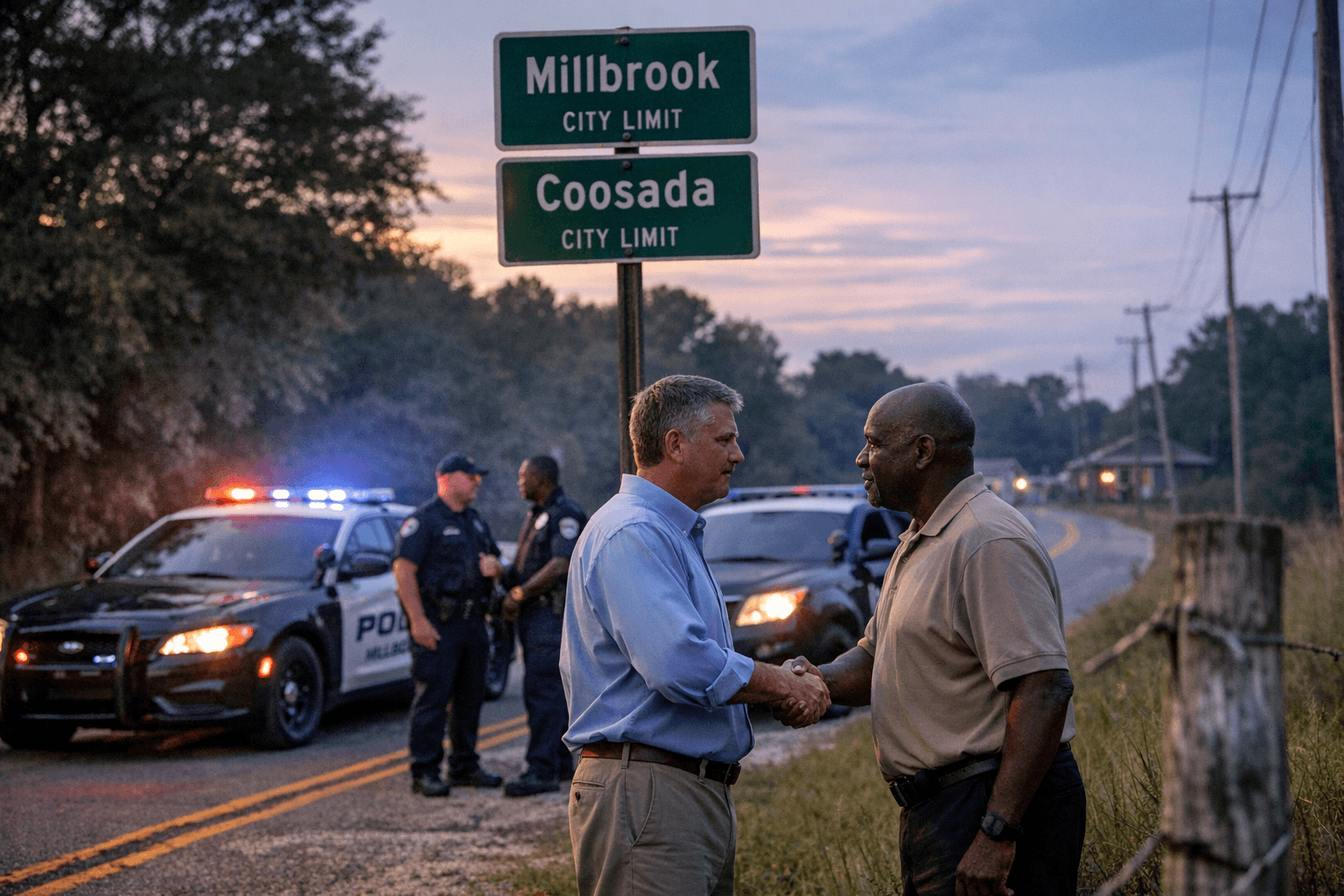
Institutionally, the settlement illustrates a preference for negotiated resolution among small municipalities that share growth corridors and public safety infrastructure. Cooperative agreements can preserve local control while reducing the legal costs and political friction of court battles. The outcome also offers a model for neighboring jurisdictions in Autauga County that face similar questions as growth shifts population and service demand.
For residents, the practical next steps are straightforward: confirm which town provides police and municipal services for your property, check voter registration and precinct information with the county registrar, and follow town council announcements for implementation details. For local officials, the focus now turns to publishing clear maps, updating county records, and formalizing any mutual aid or service contracts to ensure the settlement delivers on its promise of clearer, more reliable services.
Sources:
Know something we missed? Have a correction or additional information?
Submit a Tip