Millions pay now for future grid upgrades as AI demand surges
Millions are paying monthly fees for grid projects not yet in service, as regulators approve upfront financing to meet AI-driven demand.
Millions of households are already paying for power lines, reactors and offshore wind they cannot use yet, as state regulators let utilities collect construction costs before the projects go into service. The charges, known as Construction Work In Progress, or CWIP, have spread to at least 40 states and often add several dollars a month to an average household bill before a single new megawatt reaches the grid.
Under the older utility model, companies borrowed first and recovered costs after completion. CWIP shifts that burden forward, giving utilities better cash flow and lower borrowing costs while moving risk onto customers during construction. The U.S. Energy Information Administration defines CWIP as construction work not yet completed and says that balance may or may not be included in rate base. That flexibility has made the financing tool a favored answer as grid planners race to replace aging infrastructure and absorb a surge in demand from data centers powering artificial intelligence and the digital economy.
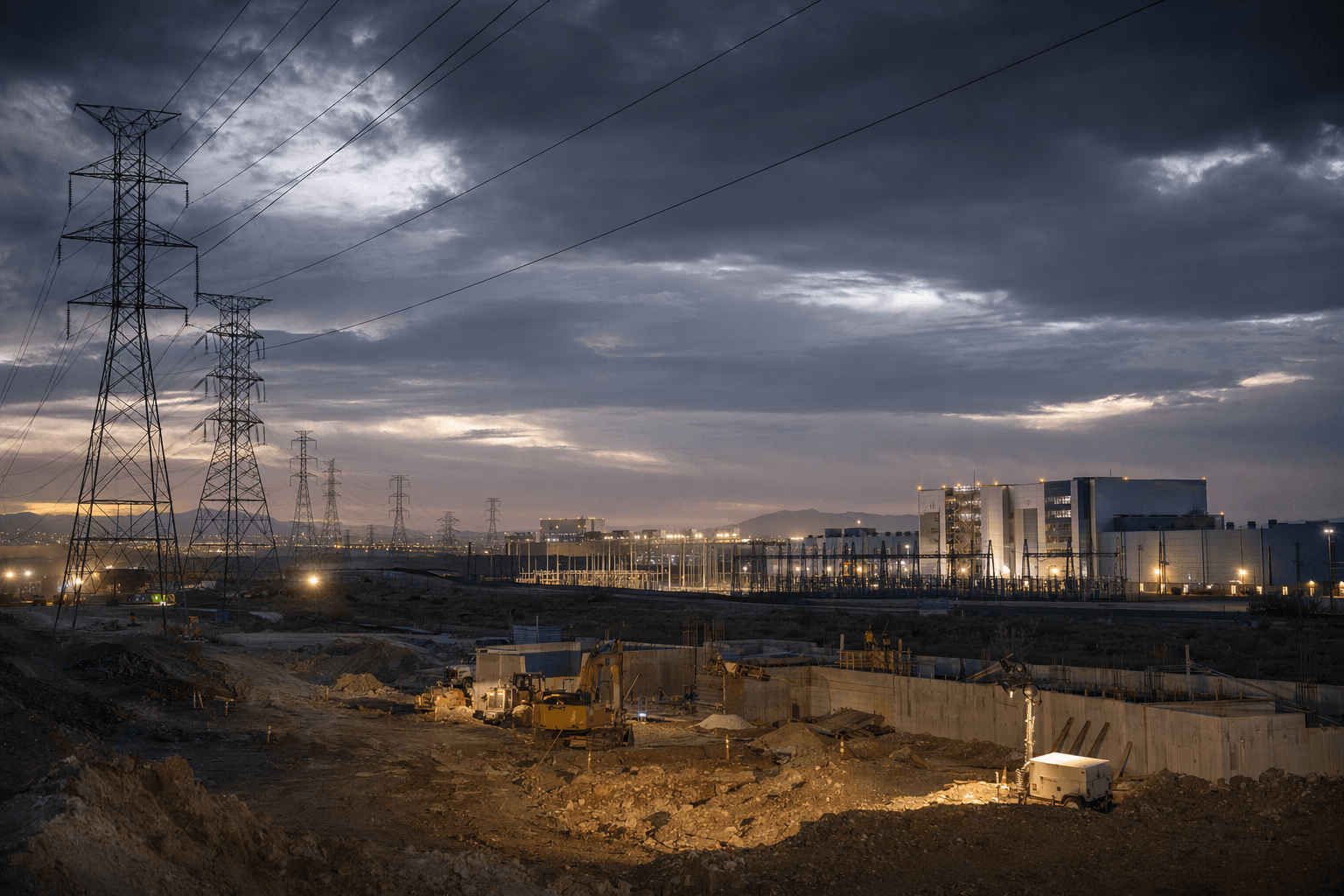
The pressure is rising quickly. The North American Electric Reliability Corporation said in its 2025 Long-Term Reliability Assessment that U.S. summer peak demand is forecast to grow by 224 gigawatts over the next 10 years, more than 69 percent above its 2024 forecast, with new data centers accounting for most of the increase. On May 4, 2026, NERC issued a Level 3 Alert and a reliability guideline focused on large-load challenges, warning that the bulk power system is under unprecedented strain from large power consumers. In some regions, reserve margins are already thin enough to raise fears of rotating blackouts.
Utilities say upfront collections are helping keep major projects moving. Georgia Power sought recovery of $7.562 billion in reasonable and prudently incurred costs for Vogtle Units 3 and 4, the nuclear expansion that became a symbol of how far costs can run ahead of benefits. In Nevada, transmission upgrades have also used CWIP-style financing. In Virginia, Dominion Energy said Coastal Virginia Offshore Wind, a 2.6 gigawatt project, was about 50 percent complete in February 2025 and on track for completion at the end of 2026. Dominion has said the project’s expected average impact over its life would be 43 cents a month for a typical residential customer, even as the company had already collected about $2 billion from ratepayers before the turbines begin operating.
Consumer advocates argue the math is tilted too heavily toward utilities and away from households and businesses paying today for projects that can arrive late, go over budget or, in some cases, never get finished. Supporters counter that CWIP is becoming necessary to keep projects financeable as electricity demand accelerates. The result is a national shift in which the public is increasingly underwriting the next grid buildout before the promised power arrives, and the political fight over who should bear that risk is only getting sharper.
This article was produced by Prism’s automated news system from verified source data, official records, and press releases, then run through automated quality and moderation checks before publishing. The system is built and supervised by the people who set the standards it runs under. Read our full AI policy.
Did this article answer your question?

