Mills exits Maine Senate race, clearing path for Platner to face Collins
Janet Mills’ exit ended a governor’s bid that never caught fire, leaving Graham Platner with the momentum, money and message in Maine’s Senate race.
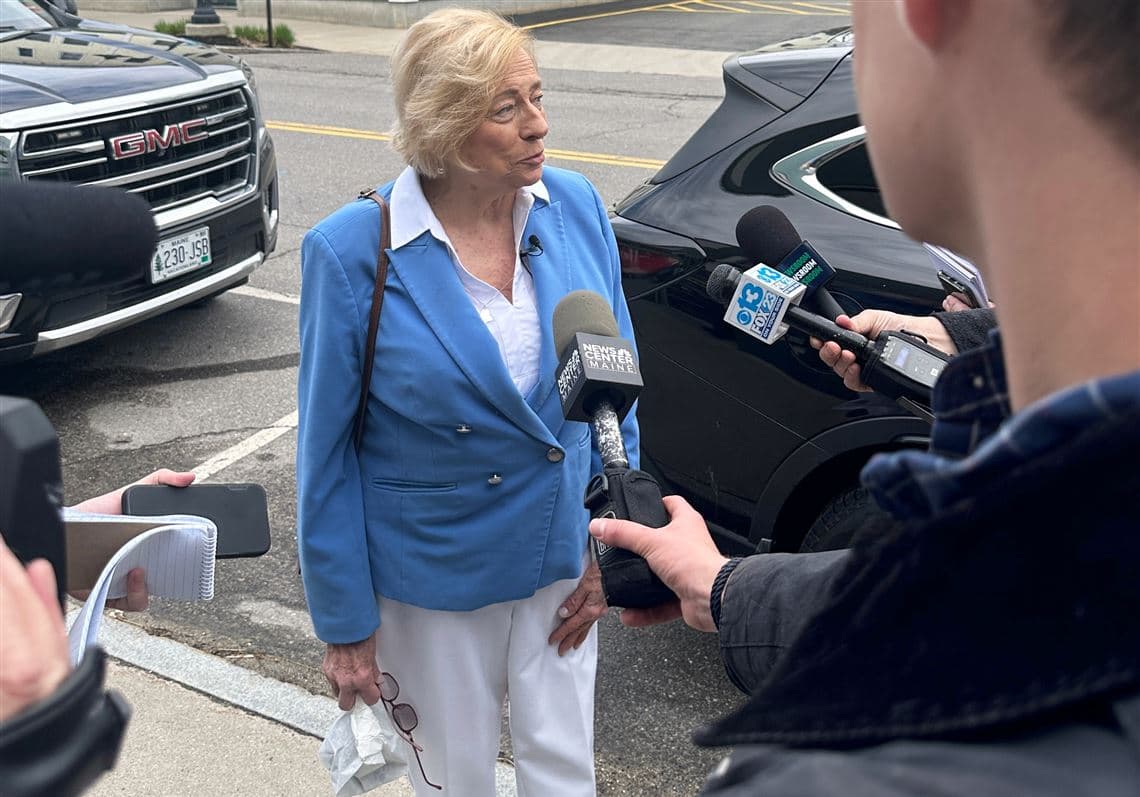
Janet Mills stepped aside after a campaign that never broke through, and many Maine voters met the move with relief rather than surprise. The two-term governor suspended her Senate bid on April 30, saying she no longer had the financial resources to continue, a stark end for a candidate national Democrats had recruited to challenge Republican Sen. Susan Collins.
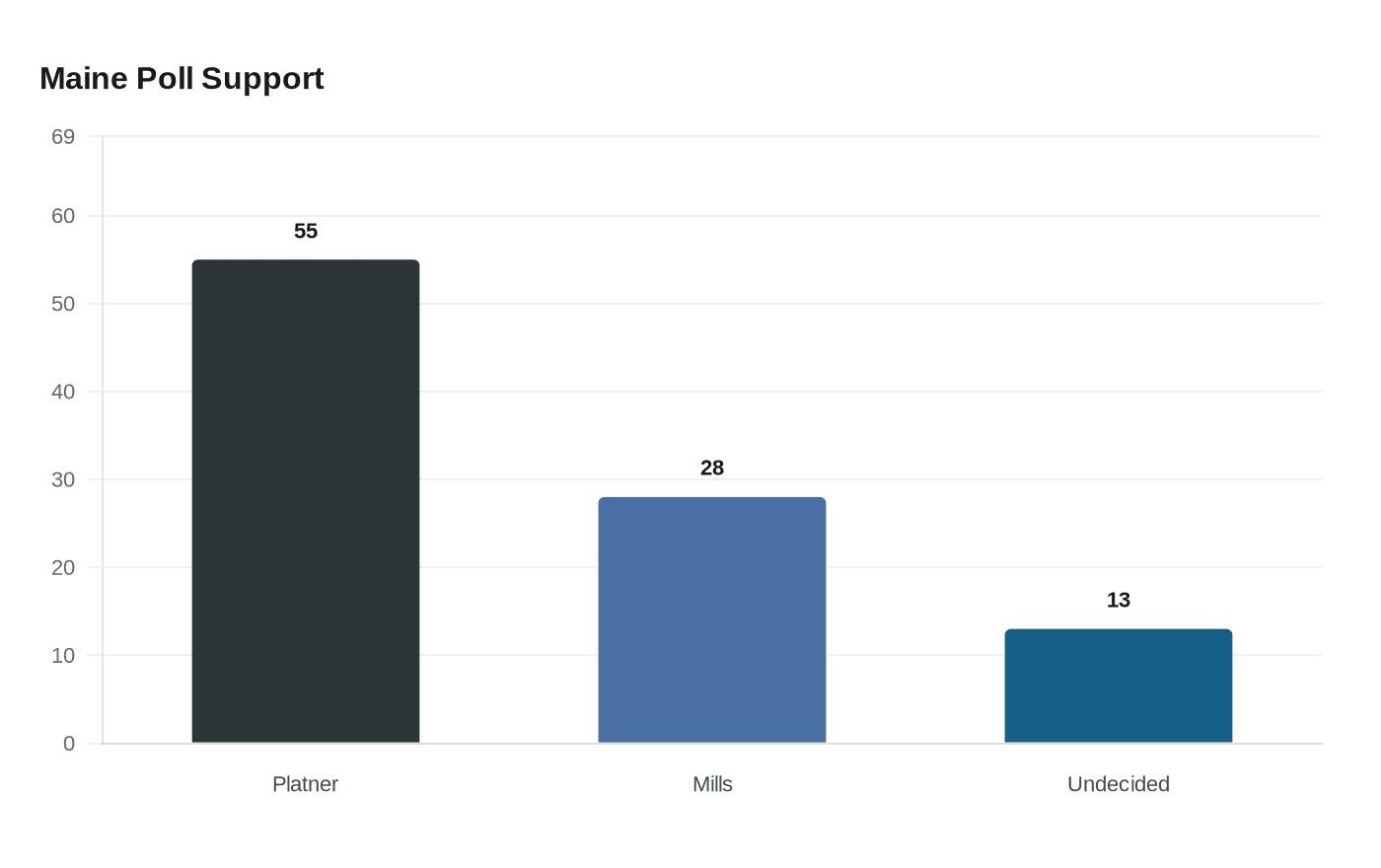
Her withdrawal, just weeks before the June 9 Democratic primary, cleared a far easier path for Graham Platner, a military veteran and oyster farmer whose insurgent campaign had already overtaken Mills in polling and fundraising. A March 26 Emerson College Polling survey showed Platner ahead 55% to 28%, with 13% undecided, and later reporting based on Federal Election Commission data showed he raised about $4 million in the first quarter of 2026, giving him a major cash advantage.
For Democrats, the race has become more than a contest over a Senate seat in Maine. It has turned into a test of whether an established governor, even one with statewide name recognition and the backing of Senate Minority Leader Chuck Schumer, can still connect in a federal race when voters want something newer, sharper or less institutional. Mills was the party’s establishment choice, but Platner’s rise suggested that age, timing and style mattered as much as résumé.
That dynamic matters in Maine because Collins has held her Senate seat since 1997 and remains the only Republican senator from a state that Kamala Harris won in 2024. The seat is one of the most closely watched in the country, and Democrats view it as central to their effort to win Senate control. The Maine Secretary of State lists U.S. senator among the offices in the 2026 primary election, making the June 9 vote the next major test of which Democrat can best take on Collins.
Mills’ exit also raises questions inside the party about the recruitment strategy in Washington and whether Democratic leaders misread the mood in a state where voters seemed ready to move on before the race even began. Platner’s lead was not a late surprise so much as a steady signal that his profile, message and fundraising had connected more effectively than the familiar appeal of a sitting governor. In a race built around generational change and who can most credibly challenge Collins, Mills became the candidate Democrats hoped would consolidate the field, then the candidate voters quietly left behind.
Know something we missed? Have a correction or additional information?
Submit a Tip