Minden and Dorcheat Seafood to Pay $34,000 to Settle Sexual-Harassment Suit
Minden Seafood and Dorcheat Seafood will pay $34,000 to settle an EEOC sexual‑harassment suit after alleged harassment forced a cashier to resign. The case underscores employer responsibility for worker safety.
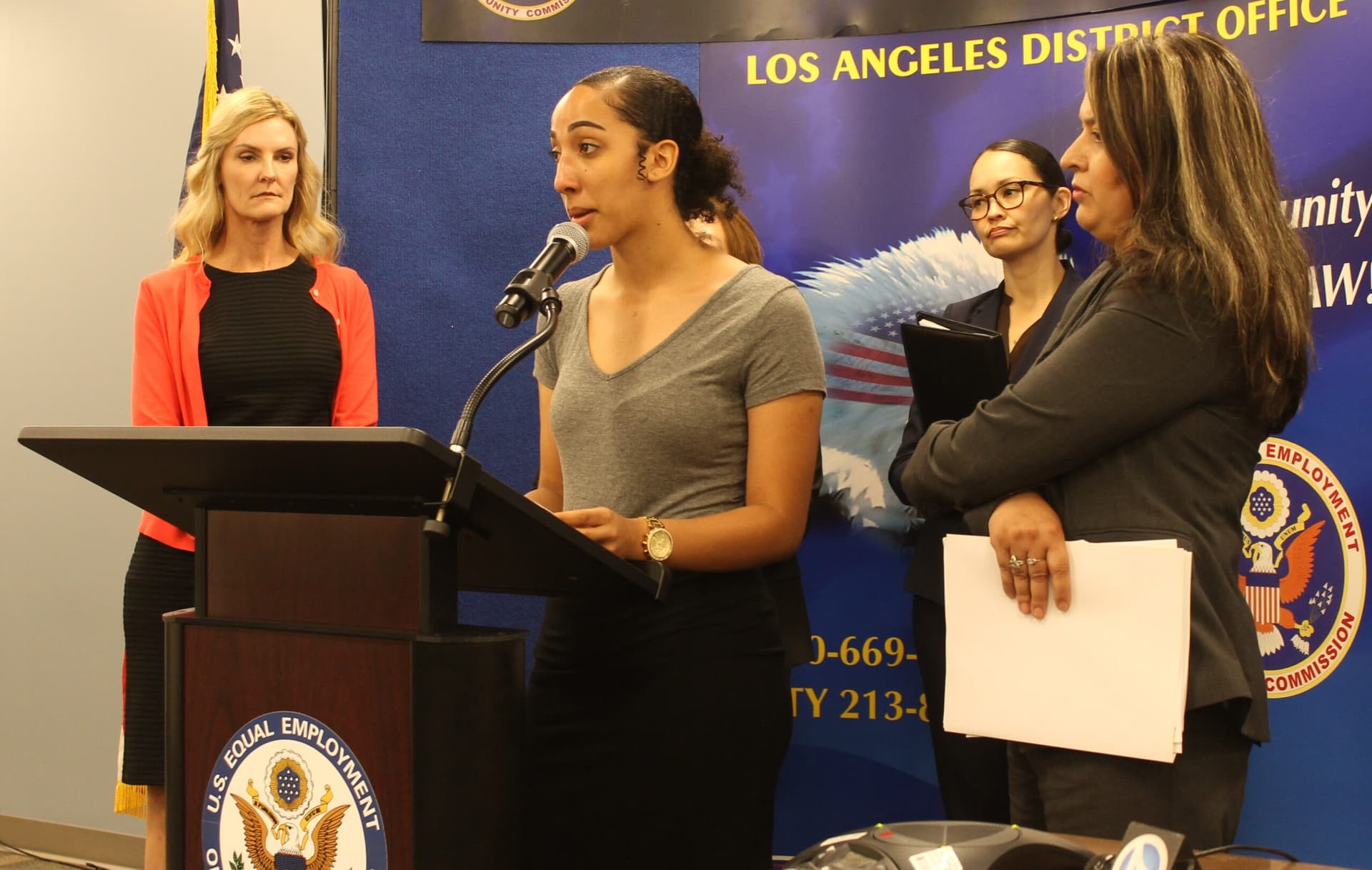
Minden Seafood, LLC and Dorcheat Seafood, LLC agreed to a four-year consent decree and will pay a total of $34,000 in back pay and emotional‑distress damages to a former cashier to resolve a sexual‑harassment lawsuit filed by the U.S. Equal Employment Opportunity Commission. The agency announced the settlement after alleging repeated misconduct by a co-worker and employer inaction that led the worker to quit.
The EEOC complaint says a male cook at Minden Seafood made unwanted sexually suggestive comments, propositioned the cashier, and followed her into the women’s bathroom where he exposed himself. The woman reported the conduct to a manager, asked for a schedule change to avoid the cook, and says management took no protective steps. She resigned in November 2021 and the complaint also alleges she was denied employment at Dorcheat Seafood and Grill, a sister restaurant.
The lawsuit, filed under the caption EEOC v. Minden Seafood, LLC and Dorcheat Seafood, LLC, Civil Action No. 2:24‑cv‑02360, was brought in the U.S. District Court for the Eastern District of Louisiana after the EEOC first attempted administrative conciliation. The consent decree resolving the case was approved on Jan. 28 and requires the restaurants to compensate the former employee, conduct training, revise harassment policies, provide regular reports to the EEOC, and post a notice affirming obligations under Title VII of the Civil Rights Act of 1964.
EEOC officials highlighted employer obligations and enforcement. Lucia Blacksher Ranier, senior trial attorney of the EEOC’s New Orleans Field Office, said, “The EEOC is committed to enforcing the law when employers allow this type of misconduct in the workplace. Employees should not be forced to tolerate sexual harassment to keep their jobs.” Rudy Sustaita, regional attorney for the EEOC’s Houston District Office, added, “Federal law guarantees employees the right to be free from sexual harassment in the workplace and not be subjected to retaliation when they complain of the harassment and ask that it stop. It is incumbent upon employers to ensure that complaints of sexual harassment are taken seriously and handled appropriately. The law is clear that nothing less will be tolerated.”

For restaurant workers, the case highlights familiar front‑of‑house and back‑of‑house vulnerabilities: cashiers and servers often work alone or in split shifts, which can limit witnesses and increase dependence on managers to act. Failure to respond can lead to turnover, lost wages, and emotional harm, and may expose employers to federal enforcement and oversight. The settlement does not detail whether the defendants admitted liability or the exact division of the $34,000 between back pay and emotional‑distress damages.
What comes next for employees and managers is practical and procedural. The consent decree’s training and policy revisions aim to change workplace norms, and the EEOC’s required reporting will create a monitoring window of compliance. For owners and managers in the restaurant sector, the case is a reminder that rapid, documented responses to complaints and clear anti‑harassment policies are essential to protect staff and limit legal exposure.
Know something we missed? Have a correction or additional information?
Submit a Tip