Minimal Techno Explained, Origins, Aesthetics and Practical Techniques
Minimal techno distills electronic music to a small set of elements, using repetition, micro variation and space to create depth. This primer traces the style from Detroit and Berlin, highlights founding figures, and lays out the instruments and production methods DJs, producers and listeners can apply now.

Minimal techno centers on reduction, where economy of elements becomes the source of groove and focus. The style emerged through exchanges between Detroit and Berlin and coalesced around artists who emphasized stripped back percussion and subtle sonic movement. Key figures associated with that foundation include Robert Hood, Daniel Bell, Plastikman and Richie Hawtin, and Ricardo Villalobos. Their work shows how less can become more when timing, tone and arrangement are precise.
At its core minimal techno relies on repetition as a structural engine, micro variation as a means of tension and release, and negative space to let sounds breathe. Tracks often unfold slowly, trading immediate hooks for incremental shifts in timbre, pattern and dynamics. That aesthetic shifts attention from surface spectacle to the body of the sound and the interplay between elements.
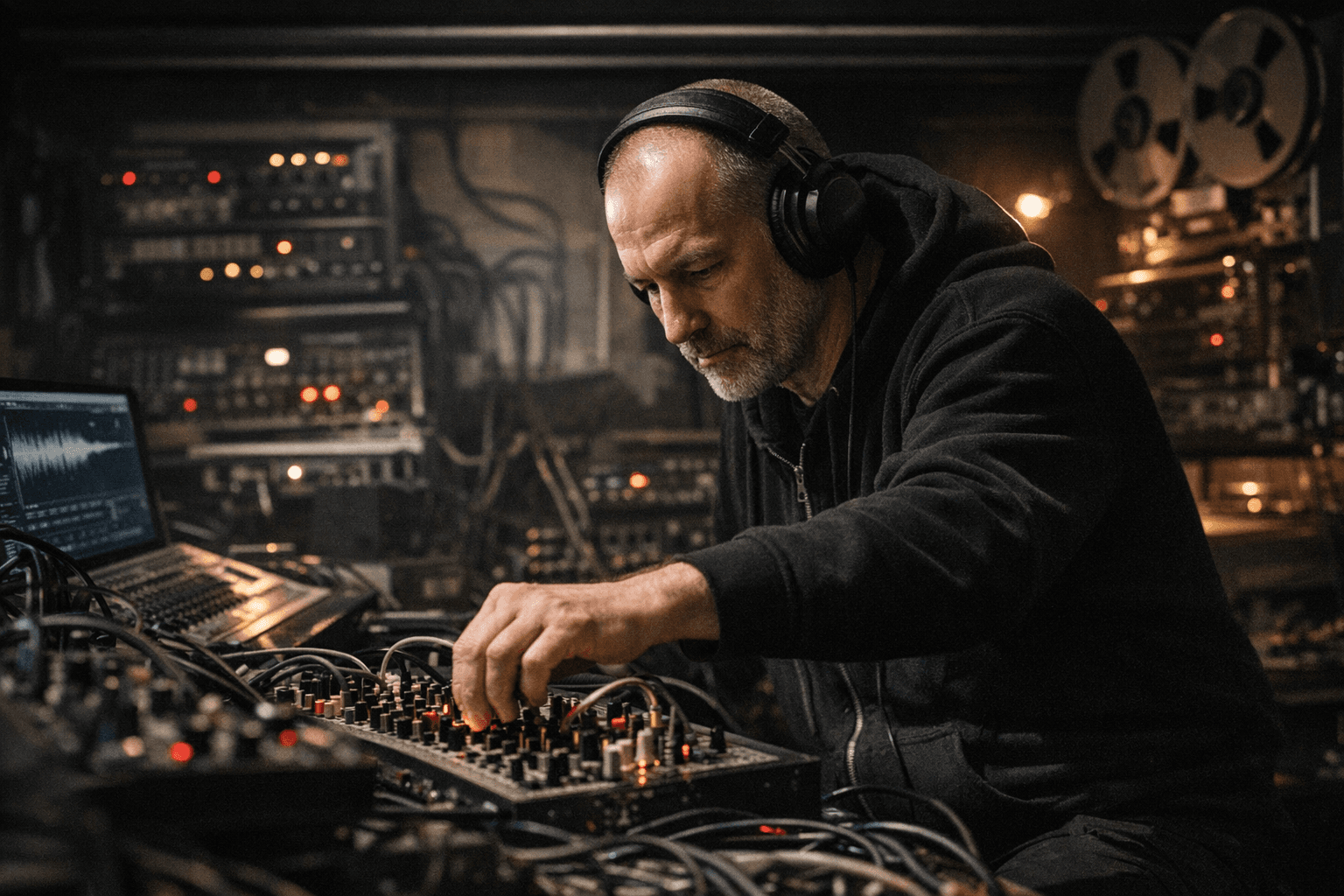
Instrumentation is typically sparse. Drum machines such as the TR 909 and TR 808 provide kicks, hats and percussion that are processed and arranged with restraint. Sparse percussion layers and careful tuning matter more than dense instrumentation. Subtle timbral shifts, small changes in filter settings, and movement in stereo placement are the common gestures that propel a track. Production techniques that serve these goals include microsampling to extract tiny textural elements, side chaining to let kick and bass coexist without clutter, and careful use of effects to add space rather than mask detail.
Clubs and labels played an essential role in evolving minimal techno. Dancefloors allowed extended experiments in repetition to breathe, and labels created contexts where slow builds and understated tracks found dedicated listeners. That infrastructure continues to support artists who prioritize long form mixing and close attention to sound design.
For DJs and producers looking to apply minimal techniques, focus on selection and subtraction. Start with a strong kick and one or two complementary elements, then build micro variations into automation lanes. Use delay and reverb sparingly to carve space, and lean on high quality samples or measured microsampling to keep textures interesting without clutter. When mixing, preserve headroom and allow transient detail to cut through through careful EQ and controlled dynamics.
Listeners will hear the genre differently if they track small changes over time and value the silence between hits as much as the hits themselves. Minimal approaches have influenced modern techno and adjacent genres by teaching restraint, precision and the power of incremental change. For anyone playing, producing or listening, minimal techno offers a practical school in how tiny moves create meaningful momentum.
Know something we missed? Have a correction or additional information?
Submit a Tip